7 Tips for Buying Hot Drink Vending Machines
Choosing hot drink vending machines is not just a matter of comparing prices or picking an attractive screen. The right unit must suit its location, expected traffic, drink menu, and servicing routine. A machine beside a quiet office lift has different demands from one serving a busy hospital corridor. Small details matter.
Before buying, consider capacity, brewing speed, cup and ingredient storage, payment options, cleaning access, and the availability of spare parts. Ask suppliers for clear information about energy use, warranty coverage, maintenance needs, and the cost of consumables. If possible, test the machine with the drinks you plan to sell. A rich-looking coffee photo cannot tell you how quickly the unit recovers between orders or how easy its milk system is to clean.
This guide offers seven practical tips for comparing hot drink vending machines, from matching features to your site to checking support after installation. It also encourages buyers to look beyond the brochure: measure the available floor space, check nearby power access, and estimate peak-hour demand. Those checks can prevent expensive surprises. A named expert quotation would add useful authority, but no verifiable source was provided for one here. Rather than inventing a specialist’s name or words, this introduction keeps its advice grounded in questions buyers can confirm with manufacturers and operators. A little skepticism is healthy. The best choice is the machine that reliably serves your customers and fits the realities of your location.
Assess Your Location, Customers, and Hot Drink Demand
A hot drink machine succeeds only when its location matches people’s routines. Watch the site at different times: count foot traffic, note shift changes, and see whether people can pause near the machine. A hospital waiting area, factory break room, and college corridor have different peaks. Look for power access, safe placement, and space for a queue. Small details matter.
Measure demand before choosing capacity. The National Coffee Association’s 2024 National Coffee Data Trends report found that 67% of U.S. adults drank coffee the previous day. That signals broad interest, not guaranteed sales at your site. Ask potential users what they actually buy, when they want it, and whether tea or hot chocolate matters. Keep a simple tally for a week. Include quiet days.
The National Automatic Merchandising Association’s 2024 State of the Industry report estimated U.S. convenience services revenue at $26.6 billion in 2023, across vending and related services. This is useful context, not a forecast for one machine. Compare observed demand with likely peak-hour service, refill access, and drink variety. A machine that looks impressive but sits empty by noon is the wrong fit. My estimate may still be off; seasonal traffic and changing shifts can distort a short trial.
Compare Machine Types, Drink Options, and Brewing Features
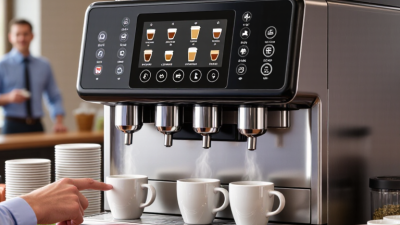
Compare bean-to-cup, fresh-brew, and soluble-drink machines against the location’s actual demand. Bean-to-cup models grind each serving, while soluble systems usually offer faster preparation and simpler upkeep. Fresh-brew machines can deliver familiar drip-style coffee, but need room for grounds and waste. Check the cup clearance, refill access, and cleaning steps in person. A neat spec sheet can still mislead.
Drink choice matters as much as machine type. The National Coffee Association’s 2024 National Coffee Data Trends report found that 67% of U.S. adults drank coffee the previous day; 45% had specialty coffee. These figures describe consumer habits, not guaranteed vending sales. Still, they support offering more than plain coffee: consider tea, hot chocolate, and adjustable coffee strength where demand justifies them. Taste matters.
Compare brewing controls closely. Look for adjustable serving sizes, temperature settings, and clear ingredient labels. Ask how often the brewer, milk system, and dispensing area require cleaning. A machine with many options may create extra maintenance, so test the busiest menu before buying. I would also verify water-filter requirements and the time needed to refill each ingredient. Small details count. A short trial can reveal awkward buttons or slow pouring that a brochure will not.
Check Capacity, Payment Methods, and Ease of Maintenance
A hot drink machine should match the busiest hour, not just the average day. Estimate cups sold during a morning rush, then check the machine’s hourly output and refill capacity. A large water tank helps, but it does not guarantee fast service if the boiler recovers slowly. Ask how often ingredients need topping up, too. Running out of cups or milk powder can interrupt sales sooner than expected. Small details matter.
Payment options should fit the people who will use the machine. A workplace with many staff may benefit from contactless payments, while a site with occasional visitors may still need coin support. Check transaction fees, network requirements, and what happens if the connection drops. Instructions should be easy to spot beside the screen. Test the payment flow before installation; a confusing prompt can leave customers unsure whether they were charged.
Maintenance is part of the purchase, not an afterthought. Look for removable drip trays, accessible ingredient canisters, and clear cleaning instructions. Ask which parts need daily attention and how long routine cleaning takes. A machine that looks simple can still be awkward to service. Keep a basic maintenance log, including cleaning dates and recurring faults. It may feel excessive at first, but missed cleaning is easy to overlook during a busy week.
Verify Supplier Support, Safety Standards, and Installation Needs
Before comparing prices, ask the supplier how support works after delivery. Get response times, service hours, and parts availability in writing. A machine that stops heating on a busy Monday needs more than a helpful sales contact. Ask who handles troubleshooting and whether staff can receive basic training. That matters. It is easy to assume support will be simple, but vague promises are hard to use when a fault appears.
Check the machine’s safety documentation, including relevant electrical and food-contact certifications for your location. Confirm that hot-water controls, insulated surfaces, and automatic shutoffs are described in the manual. Ask how cleaning and descaling should be done, and how often. A clear maintenance schedule can prevent residue buildup and inconsistent drink temperatures. Do not rely on a verbal assurance alone; request documents you can review.
Installation needs can change the total cost. Measure the doorway, corridor turns, and final space, then confirm required clearance for doors and routine servicing. Check the outlet type, power capacity, water connection, and drainage needs before ordering. Measure twice. Some sites may need extra electrical or plumbing work, which is easy to miss during a quick walkthrough. Ask the supplier to confirm site requirements in writing and clarify who pays if the machine cannot be installed as planned.