What Are the 2026 Top Types of Hot Food Vending Machines?
Hot food vending machines are moving beyond simple snack dispensing. In 2026, buyers are evaluating meal quality, cooking speed, food safety, payment reliability, and service access. A machine placed beside a hospital elevator faces different demands than one outside a factory night shift. The location still matters.
Bob Tullio, a long-time vending industry consultant, has emphasized a practical truth: “Reliability sells before novelty.” That principle remains useful when comparing heated meal lockers, robotic pizza machines, automated noodle stations, and self-contained microwave vending systems. A visually impressive unit means little if its oven overheats, its touchscreen freezes, or its ingredients sit unused. Small details matter.
This guide examines the leading machine types expected to shape the 2026 market. It considers cooking methods, refrigeration, portion control, remote monitoring, cleaning routines, and energy consumption. Some machines heat prepared meals. Others cook food during the purchase process. The difference affects texture, staffing, maintenance, and customer expectations.
Not every trend deserves praise. Freshly prepared vending still sounds better than it always performs. Operators must check temperature records, allergen information, refill timing, and local food-service requirements before installation. A machine can look efficient while creating hidden labor costs. That possibility is easy to overlook.
The strongest option depends on the menu, site traffic, operating hours, and available technical support. This comparison will clarify where each hot food vending machines category works best, where it struggles, and what operators should question before investing. Expect useful answers, not perfect predictions.
What Are the 2026 Top Types of Hot Food Vending Machines?
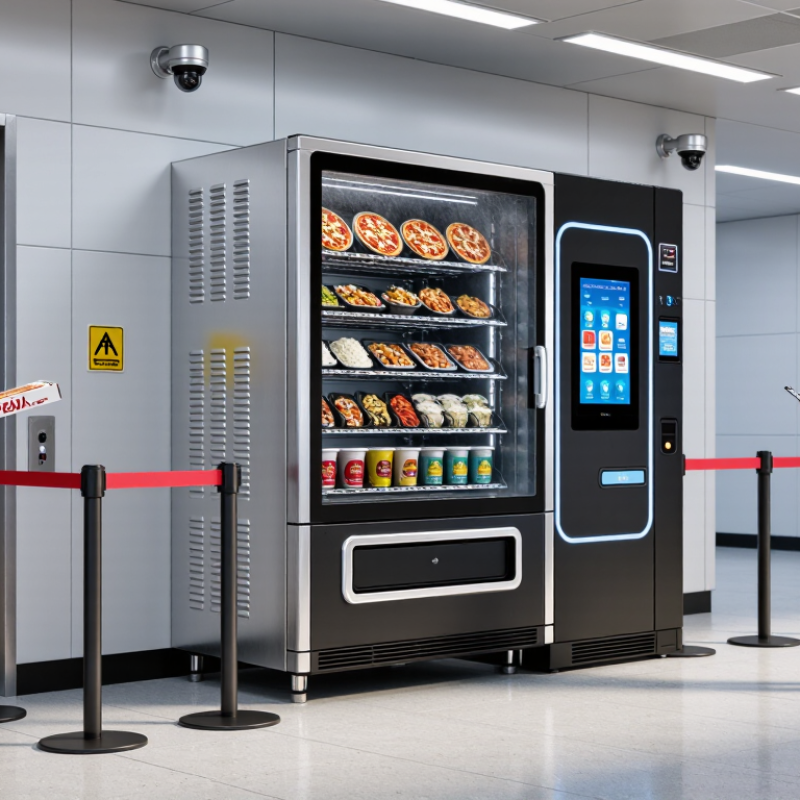
Hot-food vending machines in 2026 are best classified by cooking and dispensing methods. Heat-and-hold machines prepare food elsewhere, then maintain serving temperature inside insulated compartments. They suit rice bowls, soups, and packaged meals with predictable demand. However, long holding times can reduce texture and flavor.
On-demand machines cook food after payment or selection. Microwave systems reheat chilled meals quickly and need careful portion control. Convection ovens create crisper surfaces for pastries, pizza, and baked snacks. Induction units heat sealed containers with precise energy control. Some machines combine these methods, using refrigeration for storage and rapid heating before delivery. The result feels fresher, but the menu is usually narrower.
Dispensing also separates machine types. Heated shelves release a selected tray through a small door. Temperature-controlled lockers allow staff to load meals individually, reducing mix-ups during busy periods. Cup or bowl dispensers prepare liquid foods directly into containers. Robotic delivery systems can move a cooked meal from the heating chamber to the pickup bay. Impressive, but more moving parts mean more maintenance.
A reliable evaluation checks core temperature, heating consistency, cleaning access, and failure alerts. Food operators should record temperatures, refill times, and customer complaints. Small details matter. A machine may cook quickly but dispense slowly during lunch traffic. I would also question energy claims unless measured across a full operating day. Convenience is valuable, though no vending system removes the need for trained supervision and regular sanitation.
Classifying hot-food vending machines by their cooking process and dispensing method
| Hot-Food Vending Machine Type | Primary Cooking or Heating Method | Typical Food Input | Dispensing Method | Typical Products | Main Advantages | Key Operational Considerations |
|---|---|---|---|---|---|---|
|
Cook-to-Order Fresh Cooking Vending Machine |
Electric cooking modules prepare ingredients inside the machine. Common systems may combine induction heating, contact heating, steaming, or controlled hot-water cooking. | Chilled or frozen portioned ingredients, sauces, grains, vegetables, and pre-portioned proteins. | The machine assembles the meal and releases it through a sealed pickup compartment, cup dispenser, or tray delivery mechanism. | Rice meals, pasta dishes, noodles, soups, grain bowls, steamed meals, and other portion-controlled hot meals. | Offers freshly cooked food, flexible menus, and the ability to vary portion combinations without a full-service kitchen. | Requires reliable refrigeration, ingredient replenishment, cleaning of food-contact parts, and careful control of cooking and holding temperatures. |
|
Heat-to-Serve Chilled Meal Reheating Vending Machine |
A microwave, convection, impingement, infrared, or hybrid heating chamber reheats fully prepared refrigerated meals. | Sealed chilled meals packed in microwave-safe or oven-compatible containers. | A heated meal is transferred to a pickup locker or delivery bay after the programmed heating cycle is complete. | Ready-made entrées, breakfast meals, soups, boxed lunches, pasta, rice dishes, and prepared sandwiches. | Short preparation time, consistent portions, simpler cooking operations, and broad compatibility with centralized meal production. | Heating programs must match the container and food type. Meals should be maintained under appropriate refrigerated conditions before reheating. |
|
Frozen-to-Hot Frozen Food Heating Vending Machine |
Frozen products are heated or cooked using microwave, convection, infrared, hot-air, or combination heating technology. | Individually packaged frozen meals, snacks, pizzas, pastries, or portioned frozen components. | The finished product is dispensed through a heated pickup compartment, automated shelf, or insulated collection drawer. | Pizza portions, filled pastries, burritos, frozen entrées, dumplings, breakfast items, and hot snacks. | Long frozen-storage life, reduced food waste, and simplified inventory management compared with fresh ingredients. | The machine needs stable freezer performance, defrost management, and heating profiles that prevent cold centers or excessive moisture. |
|
Bake-and-Dispense Automated Baking Vending Machine |
A compact convection, impingement, or electric baking oven cooks or finishes dough-based products inside the cabinet. | Frozen or refrigerated dough pieces, par-baked items, or pre-portioned bakery products. | A conveyor, robotic arm, or enclosed transfer system moves the baked item to a customer-facing pickup compartment. | Pizza, flatbreads, croissants, filled pastries, cookies, and other oven-finished bakery products. | Produces an oven-baked texture and aroma at the point of sale, with a focused menu and predictable portion sizes. | Ventilation, heat dissipation, crumb removal, baking-cycle consistency, and cleaning around the oven chamber are important. |
|
Hot Holding Pre-Cooked Hot Meal Vending Machine |
Food is prepared in advance and kept hot in temperature-controlled compartments, sometimes with a brief finishing or warming cycle. | Hot, sealed, or lidded meals prepared in an approved commercial kitchen or food-production facility. | A motorized shelf, spiral mechanism, locker, or robotic elevator releases one hot meal at a time. | Hot boxed meals, soups, stews, rice meals, pasta, casseroles, and prepared breakfast dishes. | Fast customer service, simple point-of-sale operation, and high throughput during scheduled meal periods. | Holding time, temperature monitoring, product rotation, and local food-safety requirements must be managed carefully to protect quality and safety. |
|
Hot Snack Heating Ready-to-Heat Snack Vending Machine |
A short microwave, convection, infrared, or contact-heating cycle warms individually packaged snack products. | Refrigerated or frozen single-serve products designed for rapid heating. | The product is released into a heated or insulated pickup area after the cycle ends. | Hot dogs, breakfast sandwiches, toasties, filled rolls, burritos, spring rolls, and other grab-and-go snacks. | Compact footprint, simple menu management, quick service, and suitability for workplaces, campuses, transport hubs, and unattended locations. | Packaging must be compatible with the heating method. Portion size, heating time, allergen labeling, and spill control require close attention. |
|
Multi-Temperature Hybrid Refrigerated-and-Heated Vending Machine |
Separate refrigerated storage and heating modules keep products chilled until purchase, then heat selected items on demand. | Chilled ready meals, chilled snacks, refrigerated beverages, and products intended for programmed reheating. | A robotic or locker-based system retrieves the selected item, heats it when required, and presents it in a pickup compartment. | Mixed menus including meals, breakfast items, soups, sandwiches, snacks, and beverages. | Supports a broader menu, reduces the need for continuous hot holding, and allows different products to use different service temperatures. | More complex refrigeration, heating, software, and maintenance requirements. Inventory systems must distinguish chilled, heated, expired, and unavailable products. |