Top 10 Snack Vending Machine Suppliers Worldwide?

Choosing a reliable snack vending machine supplier requires more than comparing glossy product photos. Operators must examine machine durability, payment systems, remote monitoring, delivery support, and replacement-part access. A low purchase price may become expensive when refrigeration fails or service delays interrupt sales.

Industry consultant James McHugh offers a practical reminder: “The machine is only as strong as the route behind it.” That observation reflects daily vending experience. A strong supplier should understand location traffic, product turnover, restocking routines, and local customer preferences. It should also provide clear warranty terms and responsive technical support.

This guide reviews the top 10 snack vending machine suppliers worldwide through those operational details. It considers manufacturing experience, technology, customization, energy efficiency, maintenance networks, and customer feedback. Some suppliers excel in smart payment integration. Others remain stronger in rugged construction or international distribution. No company wins every category.

The ranking is not absolute. Market conditions change. Public performance data can also be uneven. That limitation deserves attention. A supplier that performs well in a busy European office may not suit a remote campus in another region. Buyers should verify certifications, service coverage, shipping costs, and after-sales commitments before signing an agreement.

The best snack vending machine is not always the most advanced one. Sometimes, reliability matters more than a bright touchscreen. This overview aims to help operators make a careful, evidence-informed decision. There may be no perfect supplier. There can still be a sensible choice.
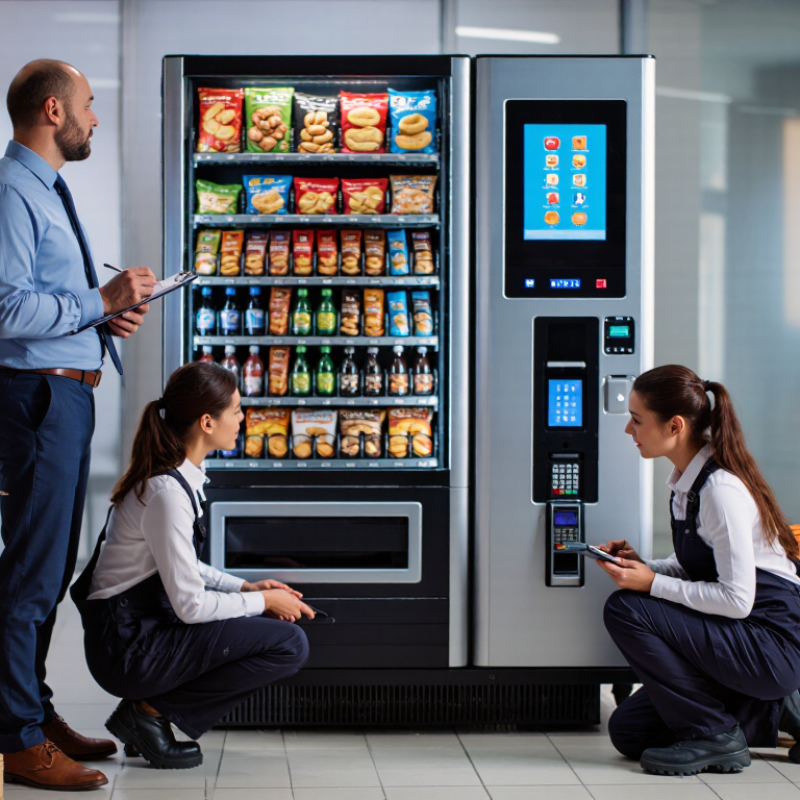
Top 10 Snack Vending Machine Suppliers Worldwide?

What Are Snack Vending Machine Suppliers?

Snack vending machine suppliers are companies that provide the equipment, products, and operating support behind automated snack sales. Their work may include machine design, payment systems, remote monitoring, delivery, installation, and maintenance. Some suppliers sell machines directly. Others provide managed vending services, including scheduled restocking and inventory checks.

This market is expanding beyond a simple cabinet with spiral coils. Grand View Research reported that the global vending machine market reached approximately USD 21.84 billion in 2022. The report also projected strong growth through 2030, supported by cashless payments and automated retail. Snack suppliers respond with machines offering touchscreens, card readers, temperature controls, and cloud-based stock alerts. A good supplier should explain product capacity, energy use, warranty coverage, and service response times in clear language.

Details matter.

For example, a school machine may need smaller portions, visible nutrition information, and safer product placement. An office machine may require faster replenishment during morning breaks. Suppliers also help operators compare product margins, expiration dates, and sales data. However, the label “supplier” is not always precise. One company may sell hardware while outsourcing repairs and restocking. That arrangement can create delays. Buyers should check service records, replacement-part availability, data security practices, and local safety requirements. Industry forecasts are useful, but they cannot predict every site’s buying habits. Pilot testing remains imperfect, yet it often reveals blocked spirals, weak demand, or poor payment performance before a larger investment.
Top 10 Snack Vending Machine Suppliers Worldwide? — What Are Snack Vending Machine Suppliers?

Snack vending machine suppliers typically provide machine hardware, product configuration, payment systems, remote monitoring, delivery, installation, and maintenance. The chart below compares the main supplier capability areas commonly listed in international vending equipment catalogs, without ranking individual companies or brands.

Capability scores use a transparent 0–10 scale based on the typical availability and importance of each service in modern snack vending solutions. A higher score indicates broader supplier coverage or stronger relevance to machine buyers.

How to Compare the Top Global Snack Vending Machine Suppliers

Comparing the Top Global Snack Vending Machine Suppliers

A serious comparison begins with the machine’s intended location. Indoor offices, transport hubs, schools, and outdoor sites need different designs. Check storage capacity, cooling performance, energy use, and product visibility. Ask for test data, not polished sales claims. A machine holding 300 items may still serve poorly if its shelves waste space. Small details matter.

Review payment options, remote monitoring, and maintenance access. Reliable systems should support cashless payments, stock alerts, sales reports, and secure software updates. Confirm which payment standards work in your target markets. Request uptime records from comparable installations. A strong supplier should explain response times, spare-part availability, and technician coverage clearly. Vague promises deserve caution.

Compare the full ownership cost, not only the purchase price. Include shipping, installation, software fees, payment charges, electricity, repairs, and insurance. Examine warranty terms line by line. Ask whether parts remain available after several years. Independent certifications can support claims about electrical safety, accessibility, and food-contact materials. Still, certification alone proves little about daily performance. Visit an operating site if possible. Watch how quickly customers make selections, how often jams occur, and how staff refill the machine. My own comparison would also include a short pilot period. It may reveal weak cooling, confusing menus, or poor delivery support. No supplier looks perfect under every condition.

Key Features Offered by Leading Snack Vending Machine Suppliers

Leading snack vending machine suppliers now compete through measurable features, not glossy cabinets. NAMA’s 2023 Industry Census reported that U.S. vending sales reached $18.2 billion in 2022. That growth increases demand for dependable, data-enabled equipment.

The strongest machines support contactless cards, mobile wallets, and cash payments. Real-time telemetry reports stock levels, temperature, sales, and fault codes. Operators can then schedule refills before an empty spiral disappoints a customer. Some systems also provide route analytics, remote price updates, and tamper alerts. Useful details matter. A bright product window, adjustable shelves, and clear allergen information improve everyday usability. Accessibility should include readable displays and reachable selection controls.

Energy performance is another important differentiator. ENERGY STAR research shows certified commercial refrigeration equipment can reduce energy use substantially compared with standard models. Suppliers increasingly offer LED lighting, efficient cooling cycles, and sleep settings during quiet hours. Refrigerated snack models also need stable temperature monitoring, especially for fresh products. Security features include reinforced locks, payment encryption, and audit logs. They cannot eliminate every risk.

The best suppliers provide installation training, spare parts, warranty support, and service-level targets. However, predictive software is not magic. Poor connectivity, inaccurate inventory data, or neglected cleaning can undermine an advanced machine. A practical buyer should test the machine at busy locations, inspect refill access, and compare five-year operating costs. The cheapest cabinet may become expensive.

Top 10 Snack Vending Machine Suppliers Worldwide? - Key Features Offered by Leading Snack Vending Machine Suppliers

No. Key Feature Common Specification Offered by Leading Suppliers Typical Options Business Benefit Recommended Verification Point
1 Snack Capacity and Product Selection Multi-shelf cabinets commonly support approximately 30–60 product selections, depending on cabinet size, tray configuration, and package dimensions. Adjustable spirals, multiple tray depths, column dividers, and dedicated sections for fragile products. Allows operators to combine high-volume snacks, confectionery, bakery products, and compact packaged foods in one machine. Confirm the actual number of selections and whether the tray layout can accommodate the intended package sizes.
2 Product Delivery System Leading machines typically use spiral coils, conveyor delivery, or an elevator-style mechanism to reduce product damage. Motorized spirals, drop sensors, delivery lifts, anti-jam controls, and automatic refund logic. Improves vend reliability and helps reduce refunds caused by products becoming stuck during dispensing. Request the published vend-success rate, jam-recovery process, and warranty coverage for motors and sensors.
3 Cashless Payment Acceptance Modern commercial machines commonly support contactless NFC payments and EMV-compatible debit or credit cards through an approved payment terminal. Tap-to-pay, chip-and-PIN, mobile wallets, QR payments, and optional cash acceptance. Enables purchases in markets where customers increasingly prefer cards and mobile payment methods. Check supported payment networks, transaction fees, settlement arrangements, and regional certification requirements.
4 Remote Monitoring and Telemetry Connected models can transmit sales, inventory, fault, temperature, and cashless-payment data through cellular or local network connectivity. 4G/LTE connectivity, cloud dashboards, low-stock alerts, fault notifications, and route-planning reports. Reduces unnecessary service visits and helps operators plan replenishment based on actual sales activity. Verify data ownership, monthly connectivity charges, software subscription terms, and offline data storage.
5 Machine Communication Standards Commercial vending equipment commonly uses MDB for peripheral communication and DEX/UCS for electronic sales and audit-data collection. MDB payment integration, DEX data export, audit reports, and compatibility with third-party telemetry systems. Improves compatibility with payment devices, cashless readers, inventory platforms, and vending-management software. Confirm the specific protocol version and whether the controller is open to third-party payment and telemetry hardware.
6 Refrigerated Snack Capability Snack cabinets are generally ambient-temperature machines, while selected models provide refrigerated zones for products requiring controlled temperature. Temperature sensors, insulated compartments, programmable cooling, and temperature alarms. Expands the product range to include chilled snacks and other temperature-sensitive packaged items where permitted. Check the operating temperature range, local food-safety rules, ventilation requirements, and energy consumption.
7 Energy Efficiency Efficient designs may use LED lighting, low-power control boards, high-efficiency compressors, sleep modes, and insulated cabinets. LED illumination, standby schedules, efficient refrigeration, power monitoring, and energy-label documentation. Can reduce operating expenses and support sustainability targets over the machine’s service life. Request measured energy-consumption figures under a stated test method rather than relying only on marketing claims.
8 Accessibility and User Interface Commercial suppliers increasingly offer large displays, clear product labels, tactile controls, audio prompts, and accessible payment placement. Touchscreen or keypad interface, multilingual menus, high-contrast graphics, audio guidance, and adjustable display settings. Supports easier use by a wider range of customers and can improve purchasing speed in busy locations. Check compliance with the accessibility rules applicable in the intended installation country or region.
9 Security and Anti-Tampering Design Typical commercial cabinets use reinforced doors, secure locks, impact-resistant panels, protected payment areas, and electronic fault logging. Anti-theft brackets, alarm contacts, cashbox protection, shatter-resistant windows, and remote door-open alerts. Helps protect inventory, payment equipment, and machine data in unattended public locations. Evaluate cabinet strength, lock type, anchoring requirements, alarm integration, and local insurance standards.
10 After-Sales Service and Customization Established suppliers commonly provide installation guidance, spare parts, operator manuals, technical support, and configurable exterior panels. Private-label graphics, multilingual software, custom tray layouts, extended warranties, remote diagnostics, and replacement-part programs. Supports consistent branding, easier maintenance, and faster recovery when a machine requires service. Compare warranty duration, parts availability, service response time, training materials, and total cost of ownership.

Note: Specifications are representative market ranges and commonly offered capabilities. Final capacity, payment compatibility, connectivity, safety compliance, and energy performance vary by model, configuration, and destination market.

Where the Top Snack Vending Machine Suppliers Operate

Where the Top Snack Vending Machine Suppliers Operate

The leading snack vending machine suppliers operate across Asia, North America, and Europe. Japan and South Korea remain mature markets, supported by dense cities and strong cashless payment habits. In North America, suppliers focus on offices, schools, hospitals, and transport hubs. European suppliers often serve rail stations, universities, and workplace campuses. China and Southeast Asia are expanding quickly, especially in high-traffic urban areas.

Grand View Research reported that the global vending machine market was worth about USD 21.3 billion in 2022. Its analysis also projected strong growth through 2030. Mordor Intelligence identifies Asia-Pacific as a major growth region, driven by urbanisation and automated retail investment. These figures include several vending categories, not only snacks. That distinction matters. A supplier may report broad market growth while snack sales remain uneven. I would not treat every forecast as equally precise.

Tip: Check the supplier’s local service network before comparing machine prices. A nearby technician can reduce downtime, especially in busy stations. Review payment support, temperature control, refill access, and energy use. A machine in a humid coastal city needs different protection than one inside a dry office lobby. Ask for location-specific performance data. Generic global averages can mislead. The best supplier is not always the largest; sometimes it is the one that understands local traffic, product preferences, and maintenance realities.

How to Choose the Right Snack Vending Machine Supplier

How to Choose the Right Snack Vending Machine Supplier

Choosing among the top snack vending machine suppliers requires more than comparing purchase prices. Ask how long they have supported similar locations, such as offices, schools, hospitals, or transport hubs. Request service records, customer references, and realistic delivery timelines. A reliable supplier should explain product storage temperatures, cleaning routines, payment security, and local safety requirements clearly. Vague answers are warning signs.

Inspect the machine before signing a contract. Check the dispensing motor, glass visibility, lighting, energy use, and refill access. Test several package sizes, including bottles, bars, and small snack bags. Confirm warranty coverage, spare-part availability, technician response times, and software support. Remote monitoring can reduce empty selections, but ask how data is protected and who can access it. Experience matters here. A supplier may sell excellent equipment but provide weak after-sales support.

Do not judge a supplier from a polished website alone. I once saw a low-cost proposal that excluded installation, training, and import fees. The final cost was much higher. That mistake is easy to repeat. Compare the total cost over three to five years, including electricity, maintenance, commissions, and expected downtime. Ask for a written service-level agreement and a small pilot installation. One location may reveal issues that brochures hide. Supplier claims should be checked against documented testing, regional certifications, and feedback from operators with similar customer traffic.