Contact Us: 416.615.1555 | sale@booksvendingmachine.com
Buying a vending machine in Toronto in 2026 is not simply a matter of choosing the brightest cabinet. It involves location research, equipment quality, payment technology, product demand, and daily servicing. A machine beside a busy Scarborough workplace may outperform one inside a quiet lobby. Foot traffic matters, but customer habits matter more.
Toronto vending consultant Sarah Chen offers a practical warning: “The machine is only half the business; the route is the real asset.” That principle should shape every purchase decision. Ask where the machine will operate, who will restock it, and how quickly technical problems can be handled. A reliable local technician can protect revenue when a bill validator fails on a cold Monday morning.
This guide explains how to compare new and refurbished machines, estimate realistic startup costs, and evaluate potential locations across Toronto. It also considers cashless readers, inventory tracking, energy use, delivery access, and transparent agreements with property owners. Products should be ordinary, lawful, and suitable for the site’s customers.
Do not trust perfect projections.
A vending machine toronto business can look passive from a distance. It is not. Shelves need cleaning, expiry dates require checking, and slow products must be replaced. My own assessment would remain cautious without verified sales data from the proposed location. That limitation matters. By combining local observation, supplier checks, written terms, and conservative budgeting, buyers can make a more informed decision. Mistakes are still possible, but avoidable surprises become less likely.
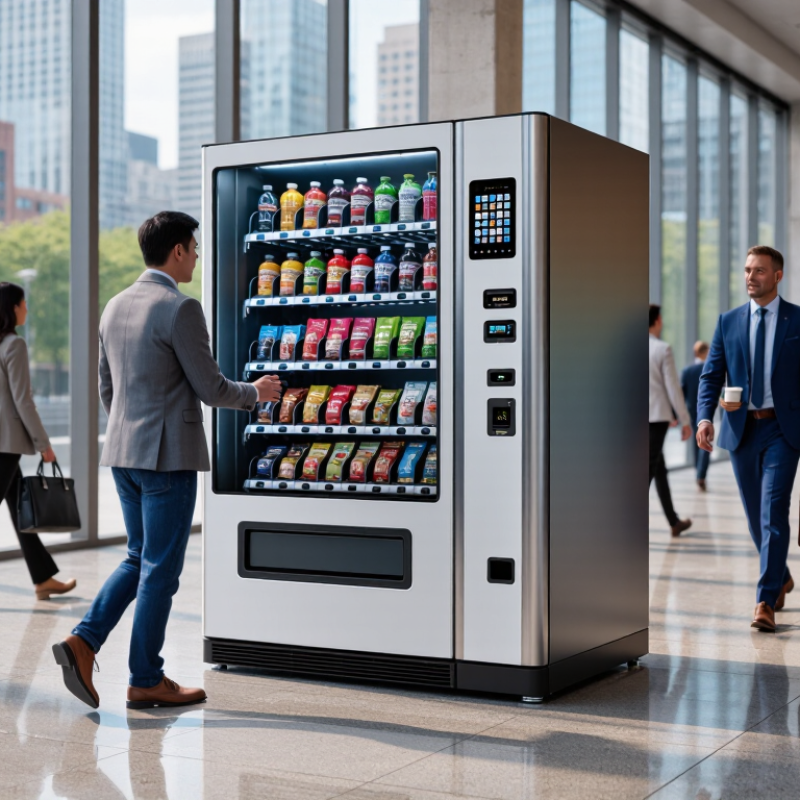
Before buying a vending machine in Toronto, define the business goal precisely. Toronto recorded 2,794,356 residents in the 2021 Statistics Canada Census. That scale creates opportunity, but population alone does not guarantee sales. Decide whether your goal is side income, a full-time route, or a test project. Choose one customer group, such as office workers, students, hospital visitors, or apartment residents.
Set measurable targets before comparing machines. For example, aim for 40 daily transactions, a specific monthly profit, or recovery of your investment within 24 months.
A 2024 Grand View Research report valued the global vending machine market at approximately US$21.8 billion in 2023. It also projected strong growth through 2030. The trend is encouraging, but Toronto performance depends on location, product pricing, and restocking discipline.
Study each site like a small retail store. Count foot traffic during morning, lunch, and evening periods. Record nearby food options, building access, lighting, and available power.
Use a simple spreadsheet to estimate sales, rent, maintenance, payment fees, spoilage, and travel time. A machine may look profitable until parking costs consume the margin.
Cashless payments should also be part of your plan; the National Automatic Merchandising Association’s industry reports identify digital payment acceptance as a central vending expectation. My forecast could still be wrong. Begin with one carefully monitored machine, review four weeks of data, and adjust the product mix before expanding.
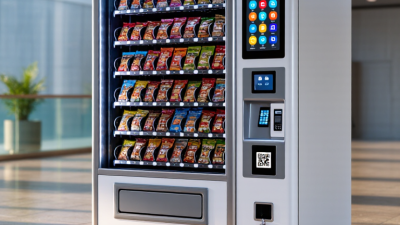
How to Buy a Vending Machine in Toronto in 2026?
Before buying equipment, research Toronto’s municipal rules for the exact location. A machine inside a private office, condominium, school, or transit property may face different approval conditions. The City of Toronto’s zoning requirements can affect placement, floor area, access, signage, and electrical service. Written permission from the property owner is essential. Verbal approval is weak evidence.
Check whether your products trigger Ontario food-premises requirements. Toronto Public Health may require notification, inspection, safe storage, temperature control, and cleaning procedures for certain food or beverage machines. Prepackaged shelf-stable snacks may be treated differently from refrigerated products. Confirm this directly with Toronto Public Health before signing a lease. Do not assume a general business registration covers every machine.
Electrical safety also matters. Equipment should carry an accepted Canadian electrical approval mark, and installations may require Electrical Safety Authority involvement. Keep records of invoices, inspection documents, cleaning schedules, and product suppliers. They can protect you during an inspection.
Industry data supports careful planning. Grand View Research estimated the global vending machine market at about US$56 billion in 2023, with strong projected growth through 2030. Growth does not remove local compliance costs. A single machine still needs reliable power, safe access, insurance, and servicing. My first assumption would be that permits are simple. That may be wrong. Toronto’s requirements can change by product, building, and location, so verify every detail with the relevant municipal office before purchase.
How to Buy a Vending Machine in Toronto in 2026?
Choosing a vending machine starts with the location, not the machine. A busy office may suit a snack-and-drink combo unit, while a gym may need chilled drinks and healthier options. Compact tabletop machines cost less, but they offer limited stock and slower sales. Full-size machines usually cost about CAD 3,000 to CAD 12,000 new. Refurbished units may range from CAD 1,500 to CAD 6,000, depending on condition.
Features deserve careful comparison. Look for cashless payment, remote inventory alerts, energy-efficient cooling, adjustable shelves, and strong locks. In Toronto, winter delivery conditions and basement access can affect installation costs. Measure doorways, elevator space, and power access before ordering. Small details matter.
Reliable suppliers should provide written warranties, service coverage, parts availability, and clear delivery terms. Ask for a test report on refurbished equipment. Check how quickly technicians respond within the Greater Toronto Area. A low purchase price can become expensive after repeated service calls. That part is easy to underestimate.
Request real sales data from similar locations, but treat optimistic projections carefully. Your revenue will depend on rent, foot traffic, product pricing, and restocking time. Confirm property rules and local operating requirements before installation. I would also reserve money for repairs and slow months. The perfect machine may not exist. A practical, serviceable one usually wins.
Compare Machine Types, Features, Prices, and Reliable Suppliers
Indicative market ranges for new and refurbished commercial equipment in Toronto; final prices vary by capacity, condition, payment technology, shipping, installation, and supplier service package.
Buying a vending machine in Toronto in 2026 starts with the placement, not the machine. A busy lobby can underperform when visitors leave quickly. Study foot traffic, waiting time, nearby offices, transit access, and competing food options. A dental clinic, student residence, or warehouse may offer steadier demand than a fashionable street corner. Visit at 8 a.m., noon, and 6 p.m. Record people, purchases, and empty shelf patterns. Small details matter. Winter boots bring salt and water indoors. Place the machine away from entrances and emergency routes.
Speak with property managers, employers, condominium boards, and community facilities. Ask who controls the floor space and electrical outlet. Do not rely on a verbal promise. A practical placement agreement should identify the exact location, contract term, renewal rights, commission, and payment dates. List electricity responsibility and access hours. Include stocking schedules, cleaning standards, insurance requirements, damage procedures, and cancellation notice. Confirm whether another operator has exclusivity. Check municipal and property requirements before installation.
Estimate weekly sales using conservative numbers before committing. Separate product costs, card processing, repairs, transportation, taxes, and location payments. Toronto demand can shift during holidays, construction, school breaks, and severe weather. Keep the first agreement short enough to test the site. Review sales by product and time of day after four weeks. It is easy to trust a busy address too quickly. That judgment needs testing. Ask staff what customers actually request, then adjust carefully. Keep records of every service visit.
Buying a vending machine is only the beginning. Measure the installation area before choosing equipment. Check doorway widths, elevator access, power outlets, and floor strength. Ask the property manager about placement rules and operating hours. Confirm municipal requirements, electrical standards, insurance needs, and tax obligations before payment. A qualified technician should inspect the site and complete the connection safely.
Tips: Start with one machine. Track sales daily. Photograph the installation area. Keep a written restocking schedule. Choose products that match nearby workers, students, or residents. Leave space for ventilation and service access. Avoid filling every slot immediately. Slow-moving products can trap cash and expire quietly.
Stocking requires simple discipline. Record each item’s purchase cost, selling price, expiry date, and refill quantity. Toronto weather also affects operations. Winter can make outdoor servicing slower, while summer heat may damage sensitive products. Use a maintenance log for cleaning, payment systems, cooling, lighting, and unusual noises. A small fault can become an expensive interruption.
My first sales forecast would probably be too optimistic. That is normal, but ignoring it is not. Review sales after two weeks, then adjust the product mix. Keep emergency change, approved payment options, and contact details for service support available. Reliability comes from boring routines, not attractive equipment alone.