Contact Us: 416.615.1555 | sale@booksvendingmachine.com
Choosing a snack vending machine is not simply a matter of finding the lowest price. It is a decision about customers, location, maintenance, product turnover, and daily reliability. A machine placed beside a busy factory entrance needs different features than one serving a quiet hotel lobby. Before comparing models, observe the space. Measure the doorway, check electrical access, and note peak traffic times. A few minutes of observation can prevent an expensive mistake.
Vending consultant Jeff Marsh explains, “The best machine is the one that stays full, clean, and working.” That principle is easy to overlook. A bright touchscreen means little if the bill validator fails or popular snacks sell out by noon. Look for adjustable shelves, strong refrigeration when needed, cashless payment options, remote inventory monitoring, and accessible service panels. Test the payment process yourself. It should feel simple, even with one hand carrying a coffee.
Product selection matters just as much. Offer familiar snacks, healthier choices, and different price points. Review sales data every week, but do not trust the first week completely. Demand may change after payday, during school terms, or in warmer weather. This is where many buyers misjudge the opportunity. I would also leave room for correction; the perfect machine rarely exists on day one. Choose equipment from a reputable supplier, confirm warranty coverage, and verify electrical, accessibility, safety, and payment requirements for your location. A reliable snack vending operation grows through small, measurable improvements.
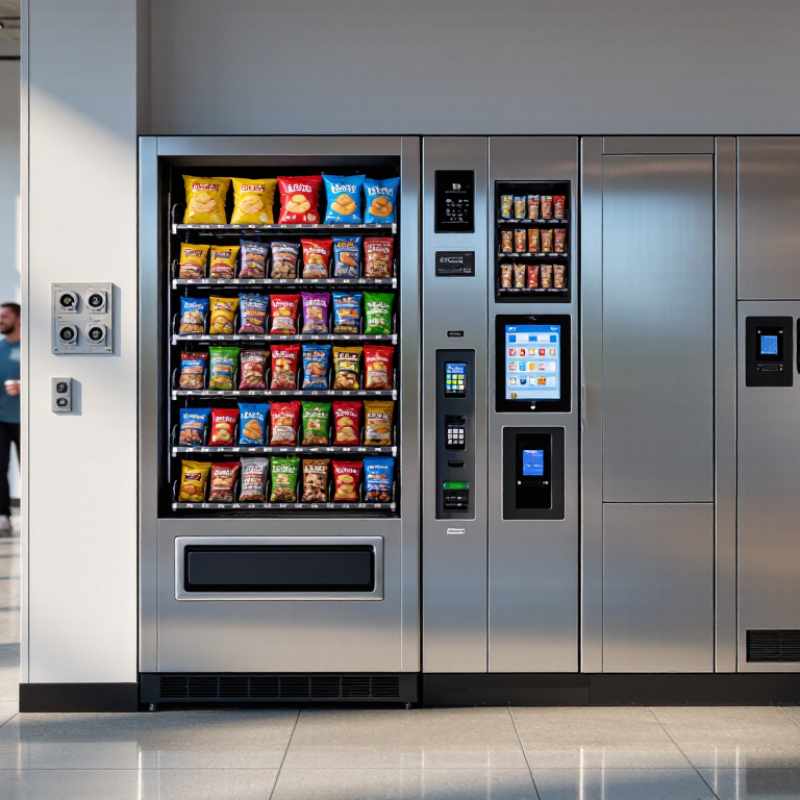
Define the location before comparing machine features. A busy office lobby needs fast service and quiet operation. A school corridor may need lower shelves and clear product labels. A warehouse entrance might require bright lighting for early shifts. Measure the available space, including door clearance and nearby walkways. Do not guess. Record foot traffic during morning, lunch, and late afternoon periods.
Study the users carefully. Office workers may prefer coffee snacks, nuts, and smaller portions. Students often choose affordable items within seconds. Visitors may want familiar products and simple payment options. Ask staff what people already bring from home. Their answers can reveal missing choices. Keep it simple. A machine with too many selections may create slow decisions and empty popular slots.
Set a clear vending goal before choosing capacity. The goal might be convenience, extra workplace comfort, or reliable after-hours access. Select flexible shelves if demand is uncertain. Track sales weekly and adjust products gradually. I once overfilled a machine with premium snacks; several expired before demand became clear. That mistake showed me the value of small test orders. Check refill access, temperature control, payment security, and cleaning needs. A practical machine should fit daily routines, not only look impressive during installation.
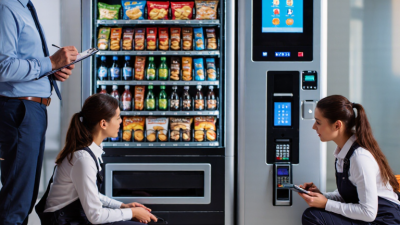
Choosing a snack vending machine starts with product mix, not appearance. Allied Market Research valued the global vending machine market at $18.7 billion in 2021. It forecasts $37.2 billion by 2031, showing continued demand for automated retail.
Compact machines suit offices, clinics, and apartment lobbies with limited floor space. They often hold 30 to 60 snack selections, depending on package size. Full-size machines may offer 60 to 120 selections, but they require more clearance and heavier restocking. Measure doorways, elevator space, and customer walking distance before ordering. A machine can fit the room and still block traffic.
Count facings, not just spirals. A narrow spiral may hold several small bars, but only a few large bags. Combination machines separate snacks and drinks, although their shared capacity can reduce each category’s depth. NAMA’s U.S. convenience services research continues to identify offices and workplaces as important vending locations, but demand varies sharply by site. Track weekly sales for four weeks when possible. That evidence beats guessing. Some capacity will remain unused. That is normal, and worth reviewing. Oversized machines can create stale inventory, while undersized units may need frequent refilling. Choose adjustable shelves, visible inventory, and payment equipment suited to your location’s traffic.
| Machine Type | Best For | Typical Dimensions (W × D × H) |
Approximate Product Capacity | Typical Product Mix | Space Requirement | Key Advantages | Main Considerations |
|---|---|---|---|---|---|---|---|
| Snack-Only Machine | Offices, schools, factories, waiting areas, and general indoor locations | Approximately 30–39 × 30–36 × 72–75 in (76–99 × 76–91 × 183–191 cm) |
30–50 selections Approximately 150–450 items |
Chips, cookies, candy, crackers, granola bars, pastries, and other packaged snacks | Requires a level floor, front clearance for customer access, and rear or side access for servicing | Good snack variety, efficient use of floor space, and straightforward stocking | Usually cannot sell chilled products unless specifically designed with refrigeration |
| Compact Snack Machine | Small offices, boutique stores, apartment buildings, and locations with limited floor area | Approximately 24–30 × 24–30 × 60–72 in (61–76 × 61–76 × 152–183 cm) |
15–30 selections Approximately 60–200 items |
Small packaged snacks, candy, bars, nuts, and single-serve products | Suitable for tighter spaces, but the service door and customer queue area still need to remain unobstructed | Smaller footprint, lower initial space requirement, and easier placement in compact locations | Lower capacity means more frequent restocking at busy sites and less room for large packages |
| Snack-and-Drink Combo Machine | Workplaces, transportation facilities, recreation centers, and locations needing one self-contained unit | Approximately 36–42 × 32–36 × 72–80 in (91–107 × 81–91 × 183–203 cm) |
20–40 snack selections plus 20–40 drink selections Approximately 200–500 total items |
Packaged snacks together with bottled or canned water, soft drinks, juice, and energy drinks | Needs a larger footprint and a suitable electrical supply; allow additional clearance for delivery and servicing | Offers two product categories in one machine and can simplify placement where space is limited | Heavier than snack-only models, may use more electricity, and provides less capacity per category than separate machines |
| Refrigerated Fresh-Food Machine | Hospitals, universities, corporate campuses, gyms, and sites with demand for chilled food | Approximately 36–42 × 32–36 × 72–80 in (91–107 × 81–91 × 183–203 cm) |
20–40 selections Approximately 100–300 items, depending on package size |
Sandwiches, salads, yogurt, fruit cups, chilled drinks, and other temperature-sensitive items | Requires a stable indoor environment, continuous power, ventilation clearance, and temperature monitoring | Supports higher-value fresh products and can serve customers outside regular food-service hours | Requires strict stock rotation, temperature control, cleaning, and attention to product expiration dates |
| High-Capacity Snack Machine | Factories, distribution centers, campuses, hospitals, and other high-traffic locations | Approximately 39–48 × 34–40 × 72–80 in (99–122 × 86–102 × 183–203 cm) |
40–60 selections Approximately 300–700 items |
Wide range of packaged snacks, including regular, family-size, premium, and specialty products | Needs substantial floor space, a clear delivery route, and enough room for frequent restocking | Reduces restocking frequency and provides broader product choice for high customer volume | Higher purchase cost, greater weight, and more demanding delivery and installation requirements |
| Outdoor-Rated Snack Machine | Outdoor recreation areas, transport hubs, campuses, and sheltered public spaces | Approximately 36–42 × 32–38 × 72–80 in (91–107 × 81–97 × 183–203 cm) |
30–50 selections Approximately 150–450 items |
Individually packaged snacks that can tolerate the intended operating environment | Requires weather protection, a secure mounting or placement arrangement, and access to a suitable power source | Can extend vending access to locations without a fully enclosed retail area | Check temperature limits, moisture protection, security, lighting, and local installation requirements |
| Specialty or Healthy-Snack Machine | Fitness centers, wellness facilities, schools, offices, and health-focused venues | Approximately 30–39 × 30–36 × 72–75 in (76–99 × 76–91 × 183–191 cm) |
25–45 selections Approximately 120–350 items |
Trail mix, nuts, dried fruit, protein bars, baked snacks, low-sugar products, and portion-controlled items | Similar to a standard indoor snack machine; allow room for customer access and regular product rotation | Supports a focused product strategy and can meet demand for healthier or specialized choices | Specialty products may have slower sales, shorter shelf life, or higher unit costs than conventional snacks |
Note: Dimensions and capacities are typical planning ranges for commercial vending equipment. Actual measurements vary by cabinet design, product packaging, shelf configuration, refrigeration system, and payment hardware. Always verify the manufacturer's technical specifications, electrical requirements, delivery access, and local installation rules before purchase.
Choosing a snack vending machine starts with payment flexibility. The Federal Reserve’s 2024 Diary reported that cash represented 16% of consumer payments in 2023, while credit cards reached 32%. A machine should therefore accept coins, bills, contactless cards, and mobile wallets. Test the reader with wet fingers and weak phone signals. Real locations are messier than demonstrations.
Security deserves a physical inspection. The PCI Security Standards Council recommends protecting payment devices from tampering and unauthorized access. Look for locked service panels, visible seals, strong door hinges, and transaction alerts. Restrict administrator access with unique credentials and multifactor authentication. A camera can help, but it cannot replace regular inspection. Staff should compare the terminal’s appearance weekly and record unusual gaps, loose screws, or added overlays. Small details matter.
Energy efficiency affects every month of operation. ENERGY STAR reports that certified vending machines are, on average, 40% more efficient than standard models. Snack machines without refrigeration may consume less power, but motors, lighting, and standby electronics still run continuously. Ask for measured annual kilowatt-hour usage, not only an efficiency label. LED lighting, scheduled sleep modes, and occupancy sensors can reduce waste. Check the actual meter after installation for several days. I would not trust the brochure alone. My first estimate may be wrong, especially in a warm, busy hallway. Purchase decisions should include service records, replacement-part access, and the machine’s performance under real traffic.
Choosing a snack vending machine requires more than comparing its purchase price. Maintenance needs, product safety, and operating costs affect daily performance. A machine with removable trays, clear fault codes, and accessible cooling parts is easier to service. Dust around vents can raise energy use and shorten component life. Small details matter.
Tips: Ask how often filters, coils, locks, and payment systems need inspection. Test the delivery mechanism with different package sizes. Keep a written service log. It may reveal repeated faults before they become expensive repairs.
Product safety should guide every stocking decision. Choose machines with stable temperature control, strong door seals, and accurate expiry labels. Packaged snacks need protection from heat, moisture, pests, and rough handling. Separate fragile items from heavy products to prevent crushed packaging. Follow local food-storage rules and manufacturer instructions. Do not assume a clean exterior means a hygienic interior.
Operating costs include electricity, restocking labor, payment fees, repairs, and unsold inventory. A low-priced machine may become costly if it needs frequent visits. Estimate weekly sales using realistic foot traffic, not optimistic guesses. Track slow-moving snacks for several weeks, then adjust the product mix. I would not ignore noise, either; a loud compressor can create complaints in quiet workplaces. Some estimates will be wrong. Review them regularly and keep a small budget for unexpected repairs.
Compare typical annual operating costs and service requirements before choosing a machine. Lower maintenance and energy costs can improve long-term profitability, while regular cleaning and temperature checks support product safety.
Indicative annual estimates in USD for one machine. Actual costs vary by location, usage, electricity rates, service contracts, and product mix.
How to Choose a Snack Vending Machine
Budget should guide the purchase, but it should not control every decision. A low-priced machine may have limited capacity, slow cooling, or fragile payment hardware. Calculate the full cost, including delivery, installation, electricity, maintenance, and restocking time. A machine holding 30 snack selections may suit a small office, while a busy workshop may need wider shelves and faster product turnover. Leave room for unexpected repairs. They happen.
Features should match the location and customers. Adjustable shelves can hold small snack bags, boxed items, and taller bottles. A clear glass front helps customers decide quickly. Consider energy-saving cooling, bright interior lighting, remote stock monitoring, and secure cashless payment options. Test the user interface before buying. If the screen feels confusing during a quiet demonstration, it may frustrate people during a busy lunch break. Some features sound impressive but rarely earn back their cost.
Tips: Ask the supplier for a written warranty, spare-parts policy, response time, and technician coverage. Request real operating details, not only sales claims. Check whether training includes cleaning, temperature checks, jam removal, and basic troubleshooting. Speak with an existing operator if possible. Their experience may reveal noise, delivery delays, or frequent payment failures. I would also inspect the machine in person, because photographs hide scratches, awkward doors, and poor shelf access. Supplier support is part of the machine’s value.