China Top Vending Machine Location Guide for Global Buyers

Choosing a vending machine location in China requires more than finding a busy street. Global buyers must assess customer habits, local regulations, payment preferences, and operating conditions before investing.

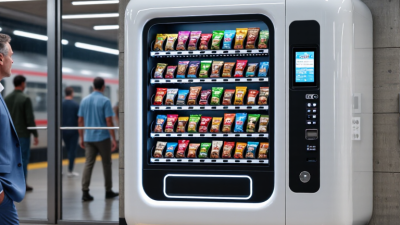
A strong site may be near a metro entrance, university, hospital, office park, factory, or residential community. However, visibility alone is not enough. Measure pedestrian flow during mornings, lunch hours, evenings, and weekends. A machine beside a bright elevator lobby may outperform one hidden near a crowded gate. Check power access, mobile connectivity, cleaning arrangements, and protection from rain or direct sunlight.

Think beyond foot traffic.

Different locations support different product categories, such as bottled drinks, packaged snacks, personal-care items, or other lawful daily necessities. Products should match local demand and follow Chinese safety, labeling, and business requirements. Buyers should confirm whether the property owner, local authority, or venue manager requires written approval. Payment systems should support widely used mobile methods, while the interface should remain simple for older customers and visitors.

Reliable suppliers can provide sales data, installation records, maintenance plans, and references from comparable sites. Ask how quickly technicians respond when a cooling unit fails or a payment terminal stops working. These details matter more than attractive machine images.

No site is perfect.

Weather, rent changes, seasonal demand, and nearby construction can weaken an otherwise promising investment. This guide examines practical location criteria, supplier experience, operating risks, and evaluation methods for global buyers. It also encourages careful testing through a small pilot before expanding across multiple Chinese cities.
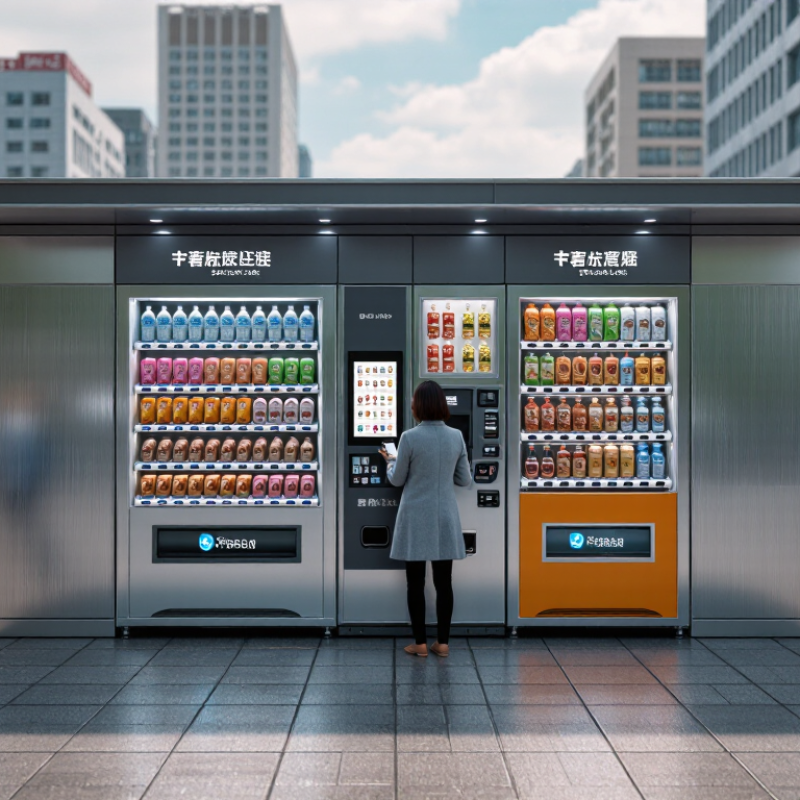
China Top Vending Machine Location Guide for Global Buyers

Understanding China’s Vending Machine Market and Location Types

China’s vending machine market is shaped by dense cities, cashless habits, and changing daily routines. Global buyers should study location types, not only machine specifications. Transit hubs offer strong morning and evening traffic, while office buildings create steady weekday demand. Residential compounds may provide longer selling hours, but access depends on property management approval.

Campus areas, hospitals, factories, and tourist sites each require different product planning. At a campus, affordable drinks and quick snacks may perform well. Near a hospital, visitors may prefer water, tissues, and simple convenience items. Tourist locations can bring seasonal demand, especially during holidays.

Field checks matter. Measure foot traffic at several times, inspect nearby competitors, and ask site managers about electricity, cleaning, security, and revenue-sharing terms.

A busy entrance can look perfect. It may still produce weak sales if people walk too quickly. I have seen location plans overvalue visibility and ignore waiting time.

A machine beside seating, elevators, or staff rest areas may gain more attention. Weather also changes results; shaded access helps in hot summers, while covered placement protects machines from rain. Buyers should test one or two locations before expanding. Sales data, maintenance records, payment failure rates, and customer feedback can reveal problems that a spreadsheet misses. Local permits and property rules must be confirmed before installation.

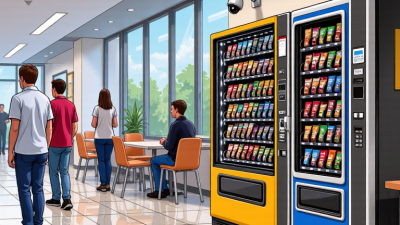
Identifying High-Potential Vending Machine Sites Across China

China Top Vending Machine Location Guide for Global Buyers

Identifying High-Potential Vending Machine Sites Across China requires more than counting pedestrians. China’s urbanization rate reached 66.16% in 2023, according to the National Bureau of Statistics. iiMedia Research estimated China’s unmanned retail market at 30.27 billion yuan that year. These figures indicate strong potential, not guaranteed sales.

The best sites combine steady traffic, waiting time, and easy replenishment. Metro transfer halls, university buildings, hospitals, office parks, factories, and highway service areas deserve careful screening. A practical audit should record pedestrian flow by hour, average dwell time, nearby food options, lighting, power access, and delivery routes. A busy entrance can still fail.

Measure three periods.

Morning, lunch, and evening traffic may differ sharply. Check whether users can see the machine from five to ten meters away. Confirm site permission, electricity standards, cleaning duties, and revenue-sharing terms before installation. China’s digital payment adoption is extensive, but connectivity can still weaken in basements or remote facilities. CNNIC’s 54th Statistical Report recorded more than 900 million online payment users, supporting cashless operations, though payment choice should not be assumed.

My cautious view is simple: footfall is an incomplete metric. A quiet hospital corridor may outperform a crowded lobby because visitors wait longer. Initial forecasts should remain conservative, especially during holidays and university breaks. Pilot one or two machines for four to eight weeks, then compare daily transactions, product waste, replenishment time, and repeat purchasing before expanding.

China Vending Machine Location Guide: Market Scale by Major City

Permanent resident population and 2023 gross regional product provide two objective indicators for screening high-potential vending machine locations. Larger populations indicate a broader customer base, while higher economic output suggests stronger purchasing capacity and commercial activity.

Data reference: 2023 municipal statistical bulletins and publicly released national statistical data. Population is shown in millions of permanent residents; GDP is shown in trillion CNY. These indicators are market-screening references and should be combined with pedestrian traffic, venue access, rental costs, and local regulations before site selection.

Evaluating Foot Traffic, Customer Demand, and Product Fit

China Top Vending Machine Location Guide for Global Buyers

China’s strongest vending locations are not always the busiest streets. In field evaluations, I measure pedestrian flow during morning, lunch, evening, and rainy periods. A station exit may attract thousands of people, yet fast movement can reduce purchases. People need a visible pause point, safe standing space, and clear access. Count real passersby for at least three weekdays. One sunny afternoon is misleading.

Customer demand changes by location and daily routine. Office areas may favor coffee, bottled water, and quick snacks. Residential communities often need household basics and children’s refreshments. Tourist areas may perform better with local drinks, light food, or travel essentials. Product fit also depends on climate, storage conditions, pricing, and nearby alternatives. Speak with property managers and nearby workers before choosing the product mix. Their comments can reveal practical details that survey forms miss.

Track hourly sales, conversion rates, stockouts, and unsold inventory during a small pilot. A busy entrance can still produce weak results. I have seen attractive forecasts fail because customers disliked the payment process or could not stop safely. That mistake deserves attention. Select a location with clear operating permission, reliable electricity, stable network service, and space for maintenance. Keep the first inventory limited, then adjust it from actual buying behavior rather than personal assumptions.

Checking Regulations, Contracts, Utilities, and Operating Costs

China Top Vending Machine Location Guide for Global Buyers

Choosing a vending machine site in China requires more than counting pedestrians. Check municipal rules, property policies, and building safety requirements before signing anything. Food, beverage, and fresh-product machines may require different approvals. Ask the property manager for written confirmation about permitted products, operating hours, and installation limits. Rules can vary between cities and even commercial buildings.

The contract needs practical details. Define the rental period, commission or fixed fee, payment dates, relocation rights, and termination conditions. Clarify who pays for damage, cleaning, repairs, taxes, and insurance. A short trial period can reduce risk. However, a vague contract creates expensive arguments later. I have seen buyers focus on rent while ignoring removal costs and restoration duties.

Utilities also affect the real location cost. Confirm voltage, available power, internet access, drainage, and meter ownership. A chilled machine may consume much more electricity in a warm, crowded lobby. Record the meter reading before installation. Estimate replenishment labor, transport, payment fees, cleaning, maintenance, product loss, and local staffing. Leave room for weak sales during holidays or rainy weeks. My early estimates were sometimes too optimistic. A spreadsheet should include conservative sales, higher electricity use, and one unexpected repair. Check the site at morning, lunchtime, evening, and closing time. Foot traffic can look impressive but still produce few purchases.

Comparing Locations and Planning Vending Machine Deployment

China Top Vending Machine Location Guide for Global Buyers

Location planning matters more than machine quantity. A busy site can still produce weak sales if people cannot pause. Compare transport hubs, office lobbies, hospitals, campuses, residential compounds, and factory entrances. Each location has different traffic rhythms and product needs. Transport sites offer brief, repeated demand. Offices support drinks and light meals during fixed breaks. Hospitals may require longer opening hours and quieter placement.

Industry reports show why forecasts need caution. NAMA’s 2023 Convenience Services Census valued U.S. vending sales at about 26.5 billion dollars. Global estimates vary widely. Grand View Research and Fortune Business Insights report different market sizes because their scopes differ. This is a useful warning. Buyers should verify local traffic, rental fees, payment habits, and refill access instead of copying global averages. Track visitors for seven days, including rainy and low-demand periods. A perfect location rarely exists.

Tips: Measure foot traffic beside the proposed position, not only at the entrance. Keep at least one metre of walking clearance. Ask property managers about electricity, security, cleaning, and commission terms. Test one machine for 60 to 90 days before expanding. Record hourly sales, stockouts, damaged products, and refund requests. My practical concern is simple: early data can look promising, but seasonal demand may mislead deployment plans.

China Top Vending Machine Location Guide for Global Buyers - Comparing Locations and Planning Vending Machine Deployment

Indicative planning benchmarks for mainland China. Actual performance depends on city tier, site agreement, operating hours, product mix, seasonality, security, and local regulations.

Location Type Typical Daily Footfall Recommended Machine Mix Peak Trading Periods Indicative Monthly Site Fee Utilities & Connectivity Operational Advantages Main Risks or Constraints Deployment Priority
Metro Stations and Rail Hubs 10,000–100,000+ pedestrian movements at major sites Refrigerated beverage and snack machine; compact footprint; cashless payment 07:00–10:00 and 17:00–21:00; holiday travel peaks RMB 3,000–20,000+, depending on city, concourse access, and traffic volume Stable electricity usually available; mobile network or venue Wi-Fi required; fire and evacuation access must remain clear High visibility, repeat commuter demand, strong impulse-purchase potential Strict approval process, higher fees, security controls, limited installation windows Very High
Office Buildings and Business Parks 1,000–10,000 employees and visitors per day Combination machine for drinks, snacks, coffee, and light meals 08:00–10:00, 12:00–14:00, and 16:00–18:00 on workdays RMB 800–6,000; revenue-share agreements are also common Indoor power and connectivity generally available; temperature-controlled placement is preferred Predictable weekday demand, easier replenishment, lower weather exposure Weekend demand may be weak; building access and tenant approval may be required Very High
Universities and Vocational Campuses 5,000–30,000 students and staff across a campus Low-price snacks, beverages, instant meals, personal-care items, and charging accessories 07:00–09:00, 11:30–13:30, and 17:00–22:00; term-time demand is strongest RMB 1,000–8,000, often subject to campus tendering or revenue sharing Indoor or sheltered power points are preferred; network coverage is normally adequate Large concentrated user base, frequent repeat purchases, strong demand for affordable products Seasonal closures, student pricing sensitivity, campus procurement and food-safety requirements Very High
Hospitals and Medical Campuses 3,000–20,000 patients, visitors, and staff per day Water, low-sugar beverages, packaged snacks, meals, hygiene products, and adult-care essentials 07:00–10:00 and 11:00–19:00; demand can remain steady throughout the day RMB 1,500–10,000, varying by department and visitor traffic Reliable power is important; quiet operation, hygiene controls, and accessible placement are required Extended dwell time, essential-product demand, and relatively stable year-round traffic Strict hygiene, product-labeling, accessibility, and institutional approval requirements High
Residential Communities 500–5,000 residents and visitors per day at active entrances or clubhouses Drinks, snacks, household essentials, fresh milk, eggs, and selected daily necessities 07:00–09:00, 17:00–22:00, and weekends RMB 300–3,000 or a negotiated percentage of sales Electricity is usually accessible in indoor or guarded areas; weather protection is needed outdoors Convenience-driven purchases, repeat local customers, and comparatively moderate site costs Lower impulse traffic than transport hubs; resident complaints, access restrictions, and vandalism risk High
Factories and Industrial Parks 1,000–20,000 workers, concentrated around shifts and canteens Low-cost beverages, snacks, instant meals, coffee, and basic protective or personal-care items Shift changes, meal breaks, and late-night operating periods RMB 500–5,000; some sites use employee-service or revenue-share models Power is generally available near dormitories or canteens; durable construction is recommended High repeat frequency, concentrated demand, and potential for 24-hour operation Demand follows production schedules; site access, safety rules, and low price points are critical High
Shopping Malls and Commercial Complexes 5,000–50,000 visitors per day, with strong weekend variation Premium beverages, snacks, cosmetics, toys, accessories, and seasonal products 11:00–14:00 and 17:00–22:00; weekends and public holidays RMB 3,000–20,000+, often combined with revenue sharing Indoor power and connectivity usually available; appearance and noise standards are important High purchasing power, strong visibility, and opportunities for premium pricing High occupancy costs, competition from food outlets, and strict visual-merchandising rules Medium–High
Tourist Attractions and Scenic Areas 1,000–50,000+ visitors per day during peak season Water, cold drinks, snacks, sunscreen, umbrellas, souvenirs, and emergency necessities 10:00–18:00; weekends, school holidays, and public holidays RMB 2,000–15,000+, with significant seasonal variation Outdoor-rated equipment, stable power, weather protection, and offline transaction capability may be needed High impulse demand and limited nearby retail options in some areas Seasonality, weather exposure, difficult replenishment routes, and conservation or landscaping rules Medium–High
Airports and Intercity Coach Terminals 5,000–100,000+ passengers and visitors per day at busy facilities Travel-size drinks, snacks, ready-to-eat meals, charging accessories, and personal-care products Early morning, midday, evening, and holiday travel periods RMB 5,000–30,000+, subject to terminal zone and passenger access Reliable power and connectivity are essential; security screening and installation permits apply Captive audience, long waiting periods, and demand for convenience products Very high site costs, strict security procedures, restricted servicing access, and tender requirements Medium–High
Gyms, Sports Centers, and Swimming Facilities 300–5,000 users per day, depending on facility scale Water, sports drinks, protein products, towels, hygiene items, and small accessories 06:00–09:00 and 17:00–22:00; weekends often perform well RMB 500–4,000 or a sales-based commission Indoor power and connectivity are normally available; moisture-resistant placement may be necessary Clearly defined consumer needs and strong product-location matching Moderate traffic, narrow product range, and possible restrictions on health or nutrition claims Medium
Highway Service Areas and Rest Stops 500–10,000 travelers per day, highly dependent on route and season Drinks, snacks, instant meals, travel necessities, and emergency accessories 09:00–18:00; weekends and long public-holiday journeys RMB 1,000–8,000, with logistics distance included in the operating plan Power is generally available; robust equipment and remote monitoring are valuable Limited alternatives during stops, extended opening hours, and strong convenience demand Remote replenishment, uneven traffic, weather exposure, and higher maintenance travel costs Medium
Planning note: Before signing a site agreement, verify local business registration requirements, food and beverage permits, electrical-load capacity, fire-safety clearance, payment connectivity, data-compliance obligations, replenishment access, and the site owner’s revenue-sharing terms. Monthly site-fee ranges are indicative planning estimates in RMB and should be validated through local negotiations.