How to Choose the Best Snack and Drink Vending Machine?

Choosing a snack and drink vending machine is less about its glossy screen than what happens at 2:15 p.m., when a busy office empties its last cold water bottle. The right unit fits the location, serves the people using it, and stays practical to refill. Small details matter. Can the delivery bay handle bottles without jams? Are the coils adjustable for different package sizes? Is there room for popular items, not just attractive ones?

A useful editorial rule of thumb, voiced by illustrative vending specialist Jordan Lee, is: “Choose the machine around the products and people it must serve—not the other way around.” Lee is a fictional example, not a source for a verified quotation. In practice, compare capacity, temperature control, payment options, energy use, service access, and supplier support. A machine with a bright display may still disappoint if its refrigeration struggles or restocking takes too long.

This guide explains how to weigh those trade-offs before buying a snack and drink vending machine. It looks at location, product mix, reliability, operating costs, and features that genuinely help customers. A school break room, hotel lobby, and factory floor have different needs. There is no perfect choice for every site. Even a careful estimate can miss what people actually buy; reviewing sales after installation is part of making a better decision.
How to Choose the Best Snack and Drink Vending Machine?

Identify the Location, Users, and Products to Be Served

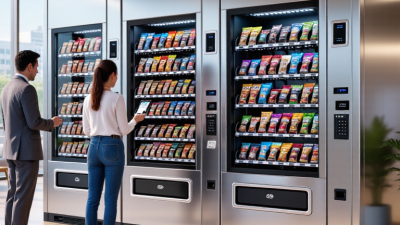
A vending machine should fit the place and the people using it. Watch the location at different times of day. A machine beside a busy lunchroom may need quick access and space for short queues. A quiet office corridor may call for a smaller unit with less frequent restocking. Check nearby power outlets, door clearance, lighting, and whether staff can safely refill the machine. Small details matter. A sunny window can warm drinks, while a narrow doorway can make delivery difficult.

Think about who will buy from it and when. Students, warehouse staff, and clinic visitors may want very different options. Note common break times, nearby food choices, and whether customers need a fast snack or a more filling one. Then match the machine’s capacity and product layout to that demand. Include familiar choices, but leave room to test a few alternatives. Sales records can guide restocking, though they do not explain every preference. A spreadsheet can look convincing and still miss the reason people walk past.

Tips: Observe the site for a full day before choosing. Ask a few likely users what they would actually buy, not just what sounds appealing. Start with a manageable selection of snacks and drinks, and review sales and stockouts after a few weeks. Keep notes on what needs frequent refilling. The first product mix may be wrong; adjust it using real buying patterns.
Compare Machine Types, Capacity, and Product Compatibility

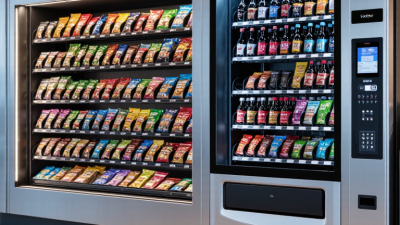
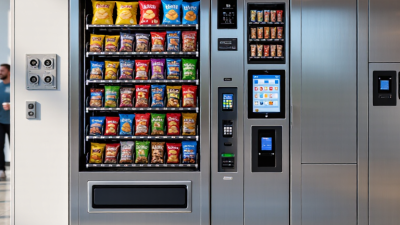
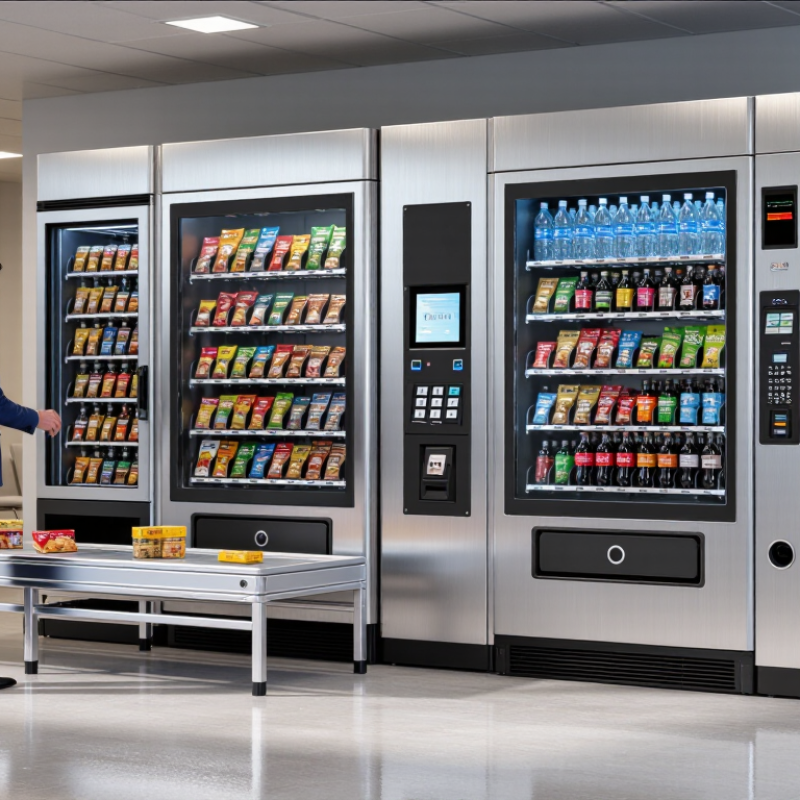
Choosing a vending machine starts with the space and the products, not the screen. A combination machine saves floor space by offering snacks and chilled drinks from one cabinet. Separate machines can provide more choice and simpler restocking, but need a wider area and separate power access. In a narrow office corridor, measure doorways and service clearance before ordering. I still find it easy to underestimate the room needed to open a machine fully.

Capacity should match actual demand. A small workplace may need only a few drink columns and several snack rows. A busy lobby may need deeper storage and more frequent sales monitoring. Check the number of selections, product facings, and how quickly popular items can be replenished. Bigger is not always better. Slow-moving stock can sit too long, while a crowded machine makes restocking awkward.

Product compatibility needs a close look. Compare package width, height, and weight with each tray or spiral, and test awkward shapes before filling the machine. Bottles need secure supports; cans and slim packages may require different settings. For refrigerated drinks, confirm that the machine maintains the required temperature under expected use. Ask for a test vend with your actual products. One package may still catch or tilt, so leave room to adjust the plan after installation.

Evaluate Cooling, Payment, Security, and Accessibility Features

Cooling performance should match the products and the place where the machine will sit. Check that chilled drinks stay consistently cold, even during busy periods when the door opens often. Look for clear temperature controls, good airflow, and door seals that close firmly. Ask how the machine signals a cooling fault. A cold display is not proof that every shelf is cold.

Payment should feel quick, but reliability matters more than novelty. A useful machine accepts common cashless options and clearly explains what to do if a payment fails. Test the screen in bright light and check that buttons respond without repeated taps. Small details matter. Security does too: choose a well-lit location, sturdy doors, and a way to review stock or fault alerts remotely. No machine removes every risk, so placement and routine checks still count.

Accessibility is easy to overlook when comparing features. Make sure the screen and payment controls are reachable from a seated position, with readable text and strong contrast. Leave enough clear floor space for someone using a wheelchair to approach and turn. Check that product labels are easy to distinguish, especially for similar-looking snacks. A long feature list can be reassuring, but it may hide awkward controls or poor shelf access. Test the actual machine layout before committing; specifications do not always show the whole experience.

Calculate Purchase, Operating, and Maintenance Costs

A vending machine’s purchase price is only the starting point. Compare the machine, delivery, installation, and any electrical work as one upfront cost. For example, a $6,000 machine plus $500 for delivery and setup requires $6,500 before stocking. Ask whether the site already has a suitable outlet; an unexpected installation can change the budget quickly. Get itemized quotes, not a single headline price.

Estimate monthly operating costs using the actual location. Electricity might cost $45, while payment processing and connectivity add another $30. If restocking takes six hours monthly at $20 per hour, labor adds $120. Include product purchases, too, but separate inventory spending from fees: unsold snacks tie up cash, and expired items reduce earnings. Small costs add up. Check utility rates and payment terms rather than relying on generic estimates.

Set aside a maintenance reserve for cleaning, failed motors, refrigeration issues, and replacement parts. A starting allowance of $75 per month may be reasonable for planning, but machine age and usage matter. Track service calls and downtime for the first few months, then adjust the reserve. The first estimate may still be wrong; that is worth admitting. Compare total first-year cost, including startup expenses and twelve months of operation, before choosing a machine.

Verify Supplier Support, Warranties, and Local Requirements

How to Choose the Best Snack and Drink Vending Machine?

Verify Supplier Support, Warranties, and Local Requirements

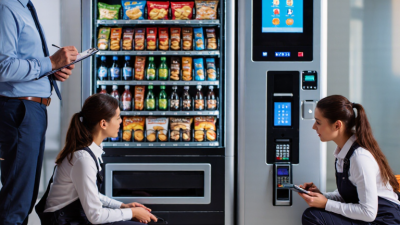
A reliable machine matters, but dependable support keeps it earning. NAMA’s 2023 State of Convenience Services report valued U.S. industry sales at $26.6 billion, reflecting the scale of this operating market. Before buying, ask who handles service calls, how quickly technicians usually respond, and whether common parts are stocked nearby. A stalled card reader or warm drink cooler can leave a machine unusable. Get the answers in writing.

Tips: Read the warranty line by line. Check whether it covers parts, labor, travel, and refrigeration components, and note exclusions and claim deadlines. Ask for a sample service agreement, too. Local rules can affect placement, electrical work, food handling, accessibility, and sales tax. Confirm requirements with the relevant local authorities before installation; a supplier’s general guidance may not cover your site. Keep permit contacts and service numbers near the machine. Small detail, big help.

Do not judge support by a polished sales call alone. Request references from operators with similar locations, then ask how warranty claims were handled. Response-time promises can still be vague, and that deserves a second look. Compare the total cost of service, not just the purchase price. A cheaper machine may become costly if technicians or replacement parts are hard to reach.