China Best Snack and Drink Vending Machine Supplier?

Choosing the best snack and drink vending machine supplier in China takes more than comparing prices. Buyers should examine machine quality, product flexibility, payment options, and after-sales support. The right supplier can help match equipment to a specific location, whether it is a busy office lobby, a school corridor, or a hotel entrance. A machine’s capacity, cooling performance, and ease of restocking all affect daily operation. Small details count. That matters.

Supplier claims deserve careful review. Ask for clear product specifications, warranty terms, spare-parts availability, and evidence of relevant certifications. Check whether the supplier can explain how a machine handles different package sizes, temperature settings, and payment methods. Photos and brochures are useful, but they cannot replace direct questions or, where possible, a sample inspection. Still, no supplier is perfect. A low quote may leave important service costs unclear, while a polished presentation does not guarantee reliable support. Buyers should compare written terms and confirm which features are included before placing an order.

For real-world confidence, request references or examples of installations similar to your intended site. Consider how quickly the supplier responds to technical questions, not just sales inquiries. The goal is a practical fit, not a flashy feature list. This guide looks at what to verify when comparing Chinese suppliers, helping buyers make a more informed decision without assuming that one company suits every project.
China Best Snack and Drink Vending Machine Supplier?

What Defines a Leading Snack and Drink Vending Machine Supplier in China?

A leading snack and drink vending machine supplier in China does more than assemble a cabinet and install a payment screen. It understands how products behave in real use. A chilled can, a soft packet of chips, and a glass bottle need different shelf spacing and delivery settings. Ask how the supplier tests selections, temperature stability, and payment functions before shipment. Clear test records matter more than polished factory photos.

Reliable engineering is visible in small details. Door seals should sit evenly, wiring should be labeled, and trays should be easy to remove for cleaning. A capable supplier can explain which parts are standard and which require customization. It should also provide accurate drawings, spare-part lists, and practical guidance for matching machine capacity to a location’s expected traffic. Vague answers deserve a follow-up question.

Support continues after delivery. Ask about remote diagnostics, replacement-part availability, and response times across time zones. No machine is maintenance-free. A supplier that discusses likely faults honestly may be more dependable than one promising flawless operation. China’s manufacturing scale can offer useful options, but buyers still need to verify product samples, documentation, and service commitments before placing an order.

Which Vending Machine Types and Features Do Chinese Suppliers Offer?

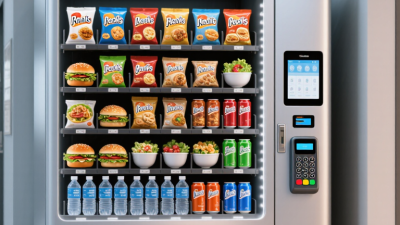
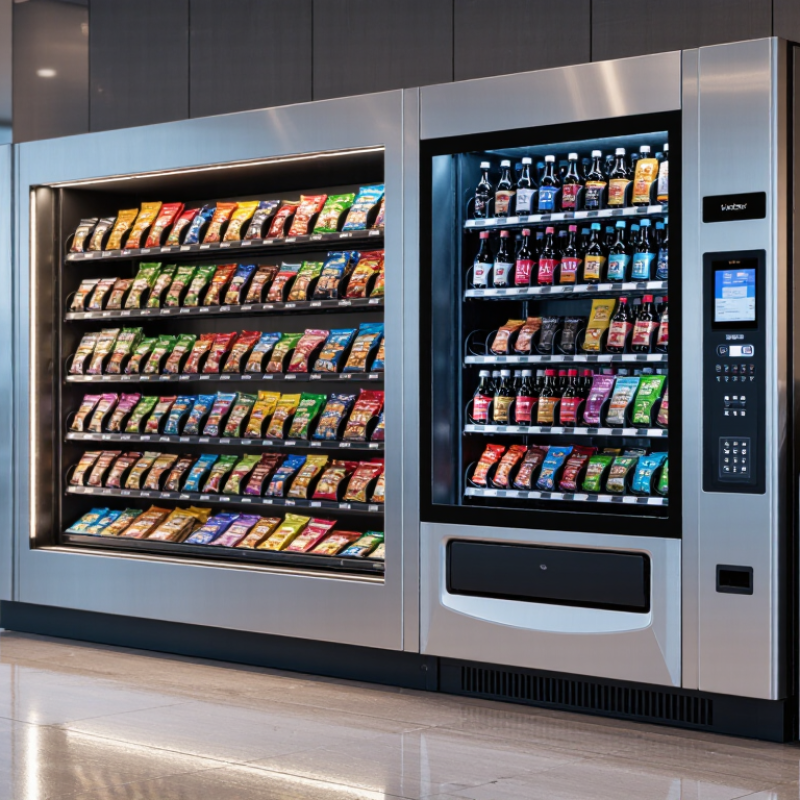
Chinese vending machine suppliers typically offer snack-only, chilled-drink, and combination machines. Combination units can use spiral coils for chips and biscuits, with adjustable shelves for cans or bottles. Some models add an elevator delivery system, which lowers fragile items instead of dropping them. That can reduce damage, though it may also increase maintenance needs.

Common features include touchscreen menus, adjustable cooling, remote stock monitoring, and payment options such as banknotes, coins, or mobile payments. Available choices depend on the model and destination market, so buyers should confirm compatibility before ordering. Useful details matter. Ask for the actual temperature range, capacity by product size, power requirements, and a clear service plan. A bright screen may look impressive, but it cannot fix poor refrigeration or awkward restocking. Test sample products in the machine if possible; packaging and bottle shapes can behave differently than expected. A small mismatch is easy to overlook in a showroom.

How Do Suppliers Compare on Quality, Customization, and Certifications?

When comparing a snack and drink vending machine supplier, start with operating tests, not a glossy product sheet.

Ask to see repeated dispensing trials with chilled cans, small cartons, and mixed snack packs. Check that products drop cleanly, prices display correctly, and the payment screen stays readable under bright light. Record jams, cooling recovery time, and how long a refill takes across several cycles. Small details matter.

Customization should fit the installation site. A supplier may adjust shelf spacing, machine dimensions, language options, display panels, and remote inventory alerts. Request a sample layout, then clarify charges for engineering changes, spare parts, and software updates.

Certifications need careful checking. Ask for current documents covering electrical safety, electromagnetic compatibility, and food-contact materials where relevant. Verify model numbers and market scope with the issuing body. A certificate for one model may not cover another. Keep that in mind. Compare written service response times too, since a reliable machine still needs help when a cooling unit or payment reader fails.

What Should Buyers Check Before Choosing a Chinese Supplier?

Choosing a Chinese snack and drink vending machine supplier takes more than comparing quotations. Ask for a detailed configuration sheet covering cooling range, payment options, screen size, product dimensions, and power requirements. Confirm that the machine fits your packaging; a tall bottle can jam in a narrow spiral. Request test videos using your actual products, not just empty demonstrations. Small details matter.

Tips: Visit the factory or arrange a live video walk-through. Check quality-control steps, documents required in your destination market, warranty terms, and spare-parts availability. Ask who handles installation and how quickly they respond. Get answers in writing. A polished showroom is useful, but it does not prove consistent assembly.

Before paying a deposit, review a sample machine or inspect a finished unit against the approved specifications. Clarify lead time, packaging, shipping responsibilities, and remedies for defects. Speak with recent overseas buyers when possible. Even careful forecasts can change, so avoid ordering more units than your service team can support. That is easy to underestimate.

How Does the Sourcing and After-Sales Process Work?

Sourcing a snack and drink vending machine should start with the site, not a catalogue. Record the available floor space, power supply, product dimensions, daily sales estimate, and required cooling range. Ask suppliers for a bill of materials, warranty terms, spare-part lead times, and test records. Grand View Research valued the global vending-machine market at US$21.3 billion in 2023 and forecast 10.7% annual growth through 2030. A growing market makes supplier comparisons more important, not less.

Request a live demonstration using the payment method and products planned for your site. Check that cans do not jam, chilled drinks stay within the stated range, and stock counts update correctly. NAMA’s 2023 State of the Industry report estimated US convenience-services revenue at US$26.6 billion. That scale does not guarantee reliable service. Ask for references from operators with similar locations, and confirm who handles shipping damage, customs paperwork, and installation. A small pilot helps. It may still miss problems that appear during busy hours.

After-sales support should be written into the purchase agreement. Set response times for remote troubleshooting, on-site repairs, and replacement parts. Clarify whether support covers refrigeration, payment hardware, and software updates. Keep a simple log of faults, temperatures, and repair dates; it helps identify recurring issues. Do not assume “lifetime support” means fast support. Service expectations can be overlooked, even by careful buyers.

China Best Snack and Drink Vending Machine Supplier? - How Does the Sourcing and After-Sales Process Work?
Process Stage Buyer’s Actions Supplier Deliverables Checks and Records Typical Timing
1. Define requirements Specify product types, machine capacity, payment methods, intended location, operating environment, and destination country. Recommend suitable machine configurations and identify options such as refrigeration, touchscreens, telemetry, and cashless payment. Confirm machine dimensions, shelf or coil configuration, power requirements, connectivity, and compatibility with the products to be sold. Several days to prepare a clear specification; timing depends on how quickly requirements are confirmed.
2. Evaluate suppliers Request a company profile, relevant product documentation, references where available, and a detailed quotation. Provide product specifications, configuration details, pricing, manufacturing information, and proposed warranty terms. Check that the quotation identifies the exact model, included accessories, software or payment fees, exclusions, and quotation validity. Often a few business days, depending on the complexity of the request and supplier response time.
3. Confirm compliance and customization Share the destination market and ask which regulatory documents and labeling requirements apply to the machine and its components. Provide available test reports, declarations, labels, and technical details for the proposed configuration. Requirements vary by destination and product configuration. Verify applicable electrical safety, electromagnetic compatibility, radio, and payment-system requirements with the relevant authorities or a qualified compliance professional. Allow extra time if testing, certification, labeling, or custom engineering is required.
4. Approve the order Review the purchase contract, specification, drawings, payment schedule, delivery terms, warranty, and acceptance criteria before payment. Issue a pro forma invoice or contract showing the agreed model, options, quantity, price, lead time, and delivery responsibilities. Record the agreed Incoterms® rule and named place, packaging requirements, inspection arrangements, and remedies for nonconformity. Depends on negotiation and contract review; do not rely on an unconfirmed verbal delivery estimate.
5. Production and progress updates Approve artwork, branding files, interface language, and any final configuration details promptly. Share production progress and confirm when the machine is ready for inspection or testing. Request confirmation of key components, voltage and frequency configuration, software settings, and any agreed customization. Production time varies by model, order quantity, customization, and factory workload; obtain the schedule in writing.
6. Pre-shipment inspection Review inspection results and, where appropriate, arrange an independent inspection before shipment. Provide test records and demonstrate agreed functions, such as dispensing, refrigeration if fitted, payment interfaces, and user controls. Check machine appearance, serial numbers, accessories, manuals, packaging, and performance against the contract’s acceptance criteria. Schedule inspection before shipment; correction and retesting can add time.
7. Shipping and import Confirm the importer of record, customs broker, insurance needs, and required import documents. Prepare agreed shipping documents, commonly including a commercial invoice, packing list, and transport document. Customs duties, taxes, clearance steps, and any additional documents depend on the destination country and shipment terms. Transit and clearance times vary by route, shipping method, port conditions, and customs processing.
8. Installation and handover Arrange a suitable site, power supply, network access if needed, and trained staff to receive and set up the machine. Provide installation instructions, operating manuals, configuration guidance, and remote support arrangements where agreed. Check for shipping damage before signing delivery records where possible; document the machine condition and test it after installation. Depends on site readiness, installation complexity, and availability of local technical support.
9. Warranty and after-sales support Report faults promptly with the model, serial number, purchase details, photos or video, and error messages. Explain the claim process, warranty coverage, troubleshooting steps, spare-parts availability, and service options stated in the contract. Confirm warranty start date, covered parts and labor, exclusions, response arrangements, shipping costs, and whether support is remote or on-site. Response and repair times are contract- and location-dependent; request written service targets rather than assuming a standard guarantee.
10. Ongoing maintenance Follow cleaning and maintenance instructions, keep service records, and monitor recurring faults or stock issues. Supply maintenance guidance and, if agreed, replacement parts or software support. Keep a record of maintenance, replaced parts, software changes, and support cases to help diagnose recurring problems. Maintenance frequency depends on usage, machine design, environment, and the manufacturer’s instructions.
Practical sourcing note There is no single supplier or service process that is best for every buyer. Compare documented specifications, destination-market compliance, total landed cost, spare-parts access, and written after-sales terms. Treat lead times and service commitments as supplier-specific unless they are included in the signed agreement.