Top 10 Hot Drink Vending Machines for Global Buyers
Hot drink vending machines are becoming practical retail assets for offices, hospitals, transport hubs, universities, and manufacturing sites. Grand View Research’s 2024 vending machine market analysis highlights cashless payments, remote monitoring, and automated retail as major industry trends. Fortune Business Insights also forecasts continued global growth in vending through 2032, supported by convenience and reduced staffing pressure. The opportunity is real, but equipment quality varies sharply.
This guide examines 10 hot drink vending machines for global buyers. It considers brewing consistency, water filtration, cup capacity, cleaning access, energy use, payment compatibility, and after-sales support. A machine serving 120 cups daily needs different specifications from one placed in a quiet hotel lobby. Small details matter. A blocked milk line can stop service during a morning rush. Euromonitor International’s consumer foodservice research repeatedly connects convenience with changing beverage purchasing habits, while the International Coffee Organization reports sustained worldwide interest in coffee consumption. These signals support investment, but they do not guarantee returns.
Buyers should compare total ownership costs, not only purchase prices. Installation, ingredients, sanitation, software fees, spare parts, and local technician availability can reshape the final budget. Some suppliers publish impressive capacity figures without clarifying drink size or peak performance. That deserves scrutiny. The selections below are based on practical operating factors and publicly available industry evidence, rather than promotional claims alone. Still, market data has limits. Climate, electricity standards, consumer taste, and import requirements differ by country. A suitable machine must fit the location, not merely the catalog.
Global Market Evidence: NAMA Vending Revenue and Cashless Payment Data
Top 10 Hot Drink Vending Machines for Global Buyers
Global buyers should judge hot drink vending machines through revenue evidence, not attractive screens. NAMA’s 2022 Industry Census estimated U.S. vending revenue at $18.6 billion in 2020. That figure shows resilience, but it also exposes a weakness: workplace traffic can change quickly. For buyers, reliable boilers, insulated cups, simple cleaning access, and stable temperature control matter more than decorative interfaces. A machine serving coffee, tea, cocoa, and hot water should also support local voltage standards and regional payment habits.
Cashless payment data deserves close attention. NAMA industry research reports that cashless vending transactions typically produce higher average tickets than cash purchases, often by roughly 20% to 30%. The European Vending Association has also documented the steady expansion of electronic payments across unattended retail. A customer holding a warm cup may not want to search for coins. Contactless acceptance can shorten queues and improve transaction tracking. Still, payment compatibility is not universal. Network outages happen. Cash support remains practical in several markets.
A useful top-ten comparison should measure heating speed, energy use, cup capacity, ingredient protection, language settings, and service access. I would not rank machines by payment features alone. A fast reader cannot repair a blocked powder line. Buyers should request field-test records, cleaning instructions, warranty terms, and spare-part availability. The ranking may remain imperfect. Local water quality and climate can change performance more than brochures suggest. Examine those details before signing a large deployment order.
Ranking Metrics: 100–300 Cups Daily, 30–60-Second Service, and Uptime
Top 10 Hot Drink Vending Machines for Global Buyers
For global buyers, capacity and consistency matter more than attractive screens. A strong machine should serve 100–300 cups daily without long queues. Each order should finish within 30–60 seconds, including dispensing and payment confirmation. During evaluation, check the first morning cup and the hundredth cup. Temperature, portion size, and taste should remain stable. A machine that performs well only during quiet hours deserves a lower ranking. Service logs, refill records, and error reports provide stronger evidence than sales claims. Uptime should be measured across at least 30 days, including cleaning, ingredient loading, and minor faults. One practical weakness remains: published uptime often excludes planned maintenance.
Tips: Ask for real operating data. Review daily cup counts, average service time, and downtime records. Test several drink recipes during peak periods. Watch the payment process closely. A two-minute delay can create a queue quickly. Also inspect the cleaning route, because complicated routines are often skipped in busy locations.
Buyers should compare performance under local conditions, not only in demonstrations. Cold rooms, unstable internet, hard water, and heavy foot traffic can change results. Machines with clear alerts and accessible components are easier to maintain. Spare-part availability also affects uptime. A low purchase price may become expensive after repeated service visits. The best ranking should reward dependable daily operation, not just impressive specifications.
Top 10 Hot Drink Vending Machines for Global Buyers
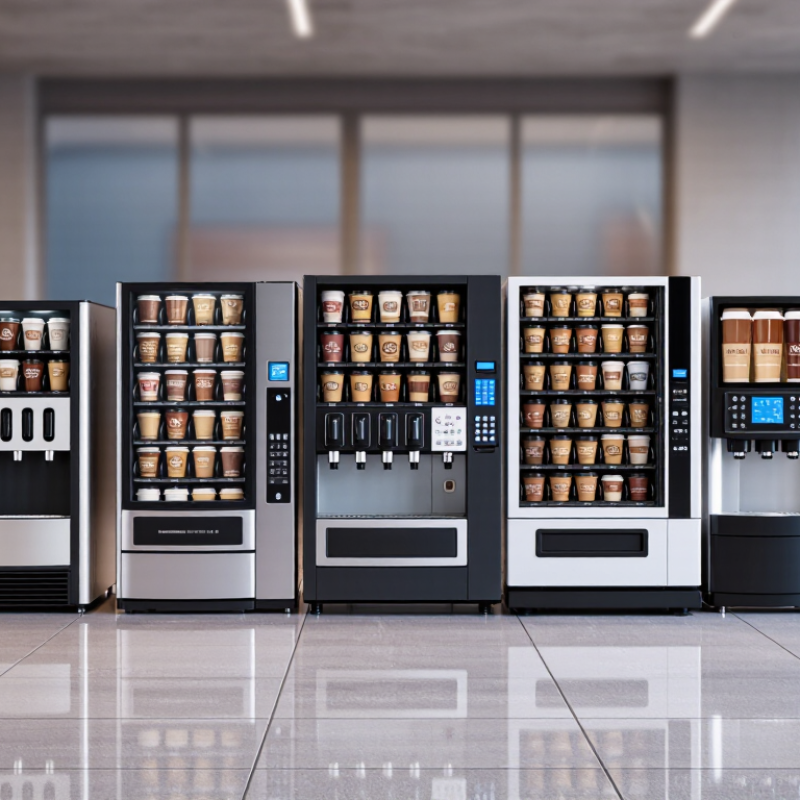
Ranked by representative commercial benchmarks: daily cup capacity, average service time, and operational uptime.
Values are realistic benchmark figures for commercial hot drink vending equipment. Daily capacity varies with location traffic, drink selection, and replenishment frequency.