Contact Us: 416.615.1555 | sale@booksvendingmachine.com
Hot food vending machines are changing how workplaces, campuses, hospitals, and transport hubs serve meals beyond traditional dining hours. For global buyers, the right machine is more than a heated cabinet with a payment screen. It must keep meals at safe serving temperatures, handle steady customer traffic, and fit the site’s power supply and floor space. A unit beside a busy office lobby faces different demands from one in a quiet factory break room. Small details matter.
This guide introduces ten hot food vending machines worth considering, with attention to meal capacity, heating method, interface, payment options, cleaning access, and remote monitoring. Buyers can compare compact models for limited spaces with larger units designed for varied menus and higher sales volumes. A clear display, reliable portion handling, and easy-to-clean food-contact surfaces can make daily operation smoother. Yet advertised capacity may not reflect real-world use; package sizes and restocking routines change the picture.
Before choosing a supplier, request current specifications, warranty terms, service coverage, and references from operators using similar machines. Confirm that electrical requirements, food-handling features, and payment systems suit the intended market and site. Certification needs can differ by country, so verify them with qualified local professionals. Do not rely on a brochure alone. Ask how the machine performs during peak demand, what happens when a payment fails, and how quickly replacement parts arrive. No model is perfect, and a lower purchase price can bring higher operating costs. The comparisons ahead offer a practical starting point, not a substitute for testing.
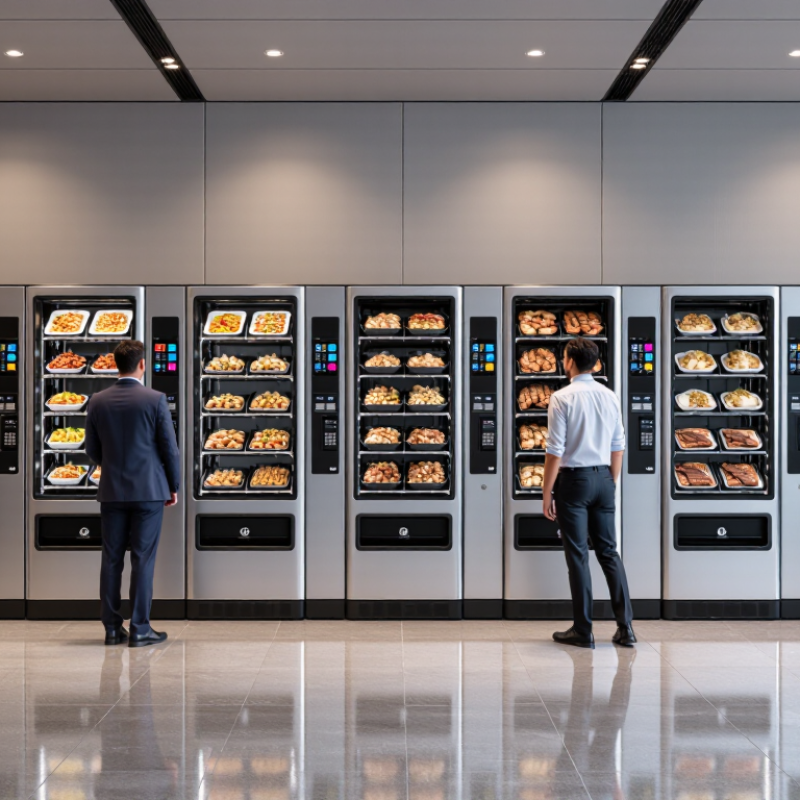
Hot food vending machines usually combine refrigerated storage, controlled heating, sensors, and a payment terminal. A customer selects a meal, pays, and waits while the machine heats it or releases a prepared hot portion. The exact setup varies by market. Some operators cook meals elsewhere and load them chilled; others use machines designed to heat sealed portions on demand.
Local habits shape what works. In office districts, compact rice bowls or pasta may suit short lunch breaks. Near transport hubs, customers may prefer handheld meals they can eat quickly. Cold climates can increase demand for warm food, while hot weather makes reliable refrigeration especially important. Small details matter. A familiar sauce or clear allergen information can influence a purchase.
Payment options also need to match local routines, from contactless cards to widely used mobile payments. Operators must plan restocking around foot traffic and monitor food temperatures throughout the day. A machine can be technically sound and still struggle if its portions, price, or opening hours feel wrong for the location. Testing a small menu is sensible, though early sales can be misleading. A rainy week or nearby event may distort the results.
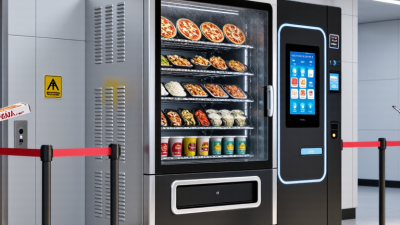
When comparing hot food vending machines, start with the food, not the screen. A unit designed for chilled meals that are reheated may perform differently from one that holds cooked dishes warm. Check how each machine monitors temperature, handles heating cycles, and records faults. Ask for test results using your actual meal sizes and packaging. A sample tray tells you more than a brochure.
Capacity is more than the number of slots. Look at portion dimensions, refill access, and how quickly popular meals can be restocked. A compact machine may suit a small lobby, while a busy site needs dependable service access and clear stock alerts. Small details matter. Check whether payment works reliably during weak network connections, and whether the display shows allergens and heating instructions clearly.
Cleaning and maintenance deserve equal weight. Inspect food-contact surfaces, removable parts, drainage, and the time needed for daily cleaning. Ask how technicians diagnose heating failures and how long common replacement parts take to arrive. A large touchscreen can look impressive, yet it cannot fix poor temperature control or awkward restocking. There is no perfect scorecard; buyers may overvalue capacity and overlook energy use, noise, or the space needed to open service panels. Compare those practical details against local food-safety requirements and the meals you plan to sell.
This comparison covers common machine configurations, not specific models or brands. Suitability depends on the menu, local electrical supply, food-safety rules, packaging, and service arrangements. Confirm exact specifications with the equipment supplier.
| No. | Machine Configuration | Heating or Dispensing Method | Foods Commonly Suited | Key Advantages | Main Considerations | Useful Buying Checks |
|---|---|---|---|---|---|---|
| 1 | Microwave-heated meal vending machine | Stores packaged meals and heats a selected item in an integrated microwave after purchase. | Chilled, ready-to-heat meals in microwave-safe packaging; soups and pasta dishes where packaging permits. | Flexible menu; can use meals prepared off-site; heating occurs after selection. | Heating time varies by item. Packaging, portion size, and instructions must be suitable for the heating cycle. | Check meal dimensions, packaging compatibility, heating controls, cleaning access, and replenishment process. |
| 2 | Convection-oven vending machine | Uses circulating hot air to heat or finish selected products. | Pastries, baked snacks, pies, and suitable packaged or partially prepared meals. | Can heat several product types without relying solely on microwave heating. | Menu and packaging must tolerate oven heat; cooking or heating cycles can affect customer wait time. | Confirm temperature controls, cycle settings, ventilation needs, and which products are approved for use. |
| 3 | Rapid-cook oven vending machine | Uses a combination of heating technologies, commonly including microwave energy and hot air, to heat or crisp suitable products. | Sandwiches, pizza portions, snacks, and selected prepared meals designed for rapid heating. | Can offer a broader hot-snack menu and a crispier finish than microwave-only heating for suitable items. | Requires menu testing, appropriate packaging, and regular cleaning of the cooking chamber. | Ask for product-specific cycle validation, power requirements, cleaning instructions, and ventilation guidance. |
| 4 | Refrigerated meal-and-heat vending machine | Holds meals under refrigeration and heats them after purchase, often using an integrated microwave or oven. | Fresh prepared meals, chilled entrees, and other time- and temperature-controlled foods. | Supports a fresh-meal offer while separating refrigerated storage from the heating step. | Needs reliable refrigeration, temperature monitoring, date rotation, and food-safe operating procedures. | Check monitoring and alarm functions, stock rotation workflow, local compliance requirements, and service response. |
| 5 | Frozen-meal heating vending machine | Stores frozen meals and heats them on demand using an integrated heating unit. | Frozen entrees and portioned meals specifically developed for vending and the selected heating method. | Frozen inventory can support longer storage than many chilled fresh-meal products. | Heating from frozen may take longer; defrosting, heating instructions, and food-safety controls are important. | Verify freezer performance, heating-cycle testing, packaging suitability, and local requirements for frozen food handling. |
| 6 | Heated cabinet vending machine | Keeps prepared items in a heated holding area and dispenses them when purchased. | Packaged hot snacks or meals designed to maintain quality during a defined holding period. | Items can be available quickly without a separate cook-to-order cycle after selection. | Holding time can affect quality; stock rotation and safe holding procedures must be managed carefully. | Check holding controls, loading method, product rotation features, cleaning access, and permitted holding procedures. |
| 7 | Temperature-controlled smart locker system | Stores orders in individually accessed compartments; compartments may be ambient, chilled, or heated depending on the system. | Preordered meals, catering portions, and packaged foods that fit the compartment design. | Useful for order pickup and can support multiple orders or timed collection workflows. | Not every locker system heats food. Compartment size, temperature capability, and order software differ. | Confirm whether compartments actively heat, how temperature is monitored, and how orders are matched to users. |
| 8 | Pizza vending machine | May store prepared or frozen pizzas and heat them in an integrated oven before dispensing. | Individual pizzas or pizza portions matched to the oven, storage, and dispensing design. | Specialized menu with a familiar product; some configurations prepare or finish items on demand. | Requires suitable pizza dimensions, reliable ingredient or product storage, and careful oven cleaning. | Check product format, heating consistency, serving packaging, cleaning procedure, and replenishment frequency. |
| 9 | Hot noodle or soup vending machine | Dispenses a portion and adds hot water or heats liquid, depending on the machine design. | Instant noodles, soup cups, and other products specifically designed for the dispensing system. | Compact menu format; can serve products with simple preparation requirements. | Water supply, drainage, cup compatibility, and regular cleaning may be required. | Confirm water treatment needs, hot-water controls, cleaning schedule, cup dimensions, and local electrical requirements. |
| 10 | Combination hot-food and snack vending machine | Combines a hot-food preparation or heating area with a separate section for ambient or chilled products. | Hot meals or snacks alongside drinks, packaged snacks, or chilled items, depending on configuration. | Offers more product variety in a single location and can serve different customer preferences. | More functions can mean more complex servicing, stocking, temperature management, and space planning. | Review machine footprint, utility connections, compartment layout, service access, payment options, and inventory controls. |
Hot-food vending covers several different cooking and holding methods. Common options include pizza ovens, noodle cookers, rice-meal warmers, soup dispensers, burger grills, and hot-sandwich presses. Other formats serve steamed dumplings, baked potatoes, egg-based breakfasts, or regional ready meals. Each suits a different menu and service setting. A noodle unit may need water and drainage, while a pizza machine needs room for heating and crisping. Some machines reheat sealed meals rather than cook ingredients from scratch.
Look closely at what happens between delivery and serving. A clear pickup compartment helps customers check their order; removable trays make cleaning easier. Ask suppliers how long a typical serving takes, how temperatures are monitored, and what happens during a power interruption. Small details matter. A crowded campus may need fast service, while a remote workplace may value larger storage capacity. No format is perfect. A machine with a broad menu can also mean more cleaning and more complicated restocking.
For international purchasing, compare local electrical compatibility, available parts, remote support, and instructions in the languages staff use. Confirm that packaging fits the machine and keeps food intact during heating. Ask for a live demonstration using the intended menu, not just an empty test cycle. Regional tastes can change quickly. A menu that seems obvious to a buyer may not sell well at a local site, so a limited trial can reveal useful surprises before a larger order.
A hot food vending machine must meet the rules where it operates, not just the specifications on its sales sheet. The World Health Organization’s 2015 foodborne disease estimates attribute about 600 million illnesses and 420,000 deaths worldwide to contaminated food each year. That scale makes temperature control and cleaning routines essential, even for a compact unit beside a busy station.
Regional requirements differ. The US FDA Food Code 2022, a model code adopted and adapted by local authorities, sets hot-holding at 135°F (57°C) or above and cold-holding at 41°F (5°C) or below. In the European Union, Regulation (EC) No 852/2004 requires food businesses to apply hygiene procedures based on HACCP principles. Buyers should confirm local limits, permitted menus, allergen disclosures, and cleaning records before installation. A label alone is not enough.
Check the machine under real service conditions. Measure food temperature after repeated door openings, during peak demand, and after restocking. Keep dated logs. Small details matter: a blocked vent, a loose seal, or a probe placed near the heater can distort readings. Some sites also need different electrical connections or operator training. Paperwork can look complete, yet daily checks still get missed. That gap deserves attention.
Choosing a hot-food vending machine starts with the people who will use it, not its feature list. A factory night shift may need filling meals at 2 a.m.; a campus may need quick options between classes. Observe peak times, likely demand, and available floor space for several days. Small details matter. A narrow doorway can rule out a unit before delivery.
Match the menu to the machine’s heating and storage design. Packaged soups, rice bowls, and sandwiches may need different temperature controls and dispensing methods. Ask suppliers for temperature ranges, food-contact material details, cleaning instructions, and test data for the products you plan to sell. Do not rely on a generic capacity figure. Tray layout and package size can reduce usable stock.
Check the daily workload, too. Who refills the machine, cleans spills, removes waste, and responds to heating or payment faults? More menu choices can mean more cleaning and downtime. Estimate power use, ventilation needs, service access, and restocking frequency before comparing prices. A spreadsheet may miss the awkward queue near lunchtime. Measure the site, then leave room to adjust the menu after launch.