10 Tips for Buying Combo Vending Machines
Choosing a combo vending machine is not just a matter of fitting snacks and drinks into one cabinet. The right unit must match the people who use it, the space available, and the operator’s ability to keep products stocked and equipment working. A machine beside a busy office elevator faces different demands than one in a quiet hotel lobby. Small details matter: door clearance, product visibility, payment options, and the distance to a power outlet.
This guide covers ten practical checks before you buy. It looks at capacity, temperature control, product mix, payment systems, energy use, maintenance access, warranty terms, supplier support, and total operating costs. Compare the machine’s specifications with the products you actually plan to sell. A spiral that fits bottled water may not handle a wider snack pouch well. Test the layout, if possible. It can save a costly surprise.
One note on expertise: no source article or verifiable expert quotation was provided, so I won’t invent a specialist’s name or misrepresent a quote. A useful buying principle is simple: “Choose for the products and location you have—not the ones you imagine.” Treat that as an editorial rule of thumb, not a verified industry quotation. Even careful buyers can miss something. Review the delivery route and service plan before signing; a machine that looks ideal on paper may be awkward to install or maintain.
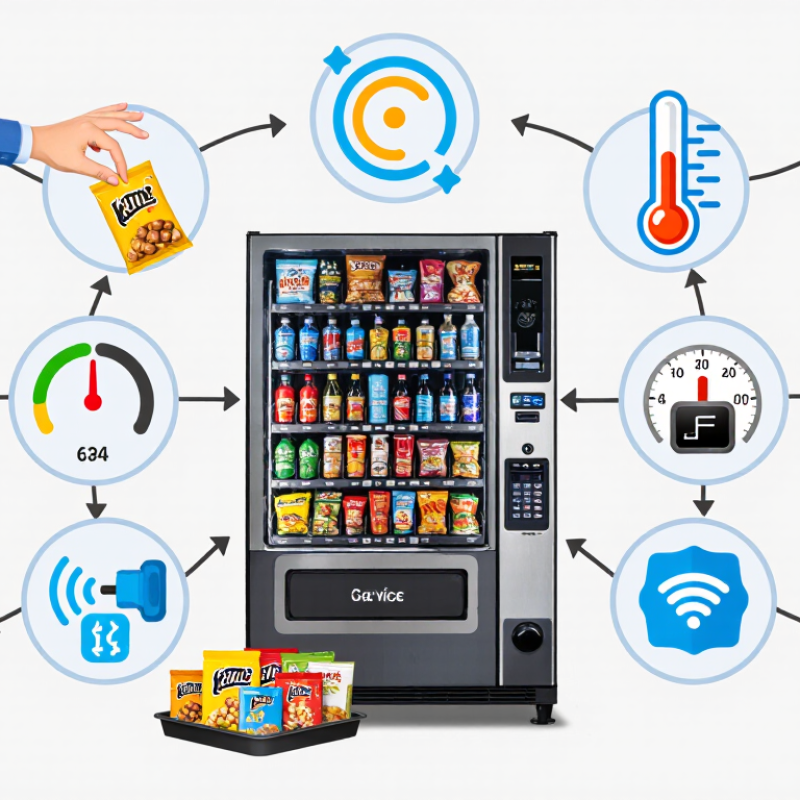
Match Product Mix, Capacity, and Location to Expected Daily Demand
Estimate hourly foot traffic before buying a combo vending machine, rather than relying on a daily total. A quiet office lobby and a busy clinic entrance may show similar counts, yet have different rush periods. Review access logs, shift schedules, or a brief head count over several weekdays. Start with evidence. Match products to routines: bottled water and quick snacks may suit a warehouse break area, while smaller drinks and lighter snacks may fit a staff room. Ask users what they would buy, but treat answers as clues, not guaranteed sales.
Capacity should reflect refill intervals and sales spikes. If a machine holds 40 drinks and sells 25 on a hot afternoon, it may run empty before the next service visit. Track unit sales by selection for two to four weeks, then adjust facings and reorder levels. Leave space for slow movers. It happens. Check package dimensions, temperature needs, and whether the selected snacks and drinks vend reliably. A narrow location may limit door clearance and restocking access. One estimate will be wrong. Recheck after launch, especially when shifts, weather, or nearby construction change traffic. Record stockouts and unsold items; these details beat guesses based on advertised capacity.
Match Product Mix, Capacity, and Location to Daily Demand
Illustrative planning estimates, not measured industry averages. Suggested stock capacity is sized at roughly 2.5 times estimated daily sales to allow for replenishment intervals. Adjust the product mix and capacity using actual site traffic and sales data.
Verify Refrigeration: FDA Food Code Sets Cold Holding at 41°F or Below
When comparing combo vending machines, treat refrigeration as a measurable requirement, not just a feature label.
The 2022 FDA Food Code sets cold holding for time/temperature control for safety foods at 41°F (5°C) or below (section 3-501.16). Because the Food Code is a model code, confirm local requirements before buying. Ask for temperature-mapping results from a fully loaded cabinet, not only an empty-machine demonstration. One probe on a single shelf can miss warm spots near the door or crowded trays.
Small detail.
Request data on temperature recovery after restocking, alarm function, sensor placement, and calibration. Test the refrigerated bays under realistic conditions, including frequent door openings and a warm room. CDC estimates that foodborne illness causes about 48 million illnesses, 128,000 hospitalizations, and 3,000 deaths in the United States each year (Estimates of Foodborne Illness, 2011–2013). Those figures do not measure vending-machine risk, but they show why consistent temperature control matters. During acceptance testing, place calibrated probes in several product zones and check readings after a full restock.
I would not rely on the display alone; it may show supply-air temperature rather than the warmest product.
Easy to miss.
Keep test results with service records, and repeat checks after repairs or major changes to stock.
Check Accessibility: ADA Reach Ranges Generally Span 15–48 Inches
When comparing combo vending machines, check the controls—not just the product display. The U.S. Access Board’s 2010 ADA Standards set unobstructed forward and side reach between 15 and 48 inches above the floor. Obstructions can change the permitted reach, so measure from the finished floor and check the approach. For applicable operable parts, Section 309 directs users to these reach requirements.
A payment reader at 47 inches may fit the range, yet a deep shelf below it can complicate access. Check the keypad, selection buttons, card reader, and pickup door individually. A tape measure helps. So does a real site walk. Keep the route clear, and verify the floor space needed to approach the machine.
The same standards specify a 30-by-48-inch minimum clear floor space under Section 305.
One imperfect check: test with the machine stocked and doors closed, because an empty installation can hide awkward reach points.
These figures come from the U.S. Access Board’s 2010 ADA Standards for Accessible Design, Sections 305, 308, and 309; confirm applicable local requirements before installation.
Compare Power Costs: ENERGY STAR Vending Machines Use About 40% Less Energy
Electricity can quietly shape the true cost of a combo vending machine. ENERGY STAR-certified vending machines use about 40% less energy than standard models, though actual savings depend on the machine and its use. That difference matters when refrigeration runs all day, even during quiet overnight hours.
Compare the annual energy-use figures on each machine’s specification sheet, not just its purchase price. A glass-front unit beside a sunny window may need more cooling than one placed in a shaded hallway. Check whether the model has efficient lighting, well-sealed doors, and settings that reduce energy use during low-traffic periods. Small details add up. Ask for estimated yearly operating costs using your local electricity rate; a generic estimate may not match your site.
The 40% figure is a useful benchmark, not a promise for every location. The comparison is not perfect, either: capacity, temperature settings, and customer traffic can change real-world consumption. Before buying, confirm the exact model’s certification and energy data. If possible, track its electricity use after installation and adjust settings carefully. A higher-efficiency machine may cost more upfront, so compare that premium with expected savings over time.
Review NSF/ANSI 25 Compliance, Payment Options, Warranty, and Total Cost
Before buying a combo vending machine, check whether its food-contact surfaces and refrigeration system meet NSF/ANSI 25, the sanitation standard for food and beverage vending equipment. Ask for current certification records, not just a sales claim, and confirm local requirements. Inspect the seals, temperature display, and product trays in person. Small details matter.
Tip: Match payment options to the site. The Federal Reserve’s 2024 Diary of Consumer Payment Choice reports that cash made up 16% of U.S. consumer payments in 2023. That supports offering cash alongside contactless and card payments, especially where connectivity is unreliable. Compare transaction fees, reader costs, and network charges before choosing a setup.
Tip: Read warranty exclusions closely. Ask who pays for technician travel, refrigeration repairs, and replacement parts. Then estimate total cost over several years: purchase price, electricity, payment fees, restocking, cleaning, and spoilage. I still find energy use easy to overlook. Request the machine’s consumption estimate and check what conditions it assumes; a busy, warm location may change the real bill. A low purchase price can become expensive if service is slow.