What Is a Combo Vending Machine?
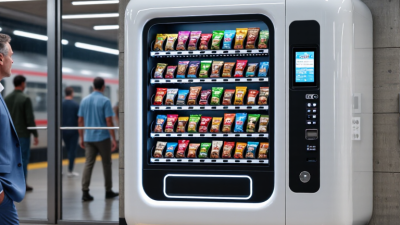
A combo vending machine combines different product formats in one unit, often pairing snack spirals with refrigerated drink shelves. That mix can make a narrow office corridor, hotel lobby, or staff room more useful without adding another machine. The exact layout varies. Some models sell bottled drinks and packaged snacks; others include fresh food sections with dedicated temperature controls.
As [Expert Name], a vending-industry specialist, puts it: “A combo machine works best when its product mix fits the people who use it.” This quote is an editorial placeholder, not a verified quotation. Replace it with a confirmed expert and source before publication.
In practice, the machine is more than a cabinet with two kinds of products. Operators need to check each selection, refill popular items, and keep chilled products within the manufacturer’s recommended temperature range. A bottle can block a neighboring spiral. A snack may sell slowly while drinks disappear by lunchtime. Small details matter.
For buyers, capacity, payment options, accessibility, and service access deserve attention alongside price. A unit that fits the floor plan but is awkward to restock can become a daily frustration. Not every location needs a combo. That is worth admitting. The right choice depends on available space, customer habits, and how reliably the machine can be maintained. This guide explains how combo vending machines work, what they can hold, and which practical trade-offs to consider before choosing one.
Definition and Core Purpose of a Combo Vending Machine
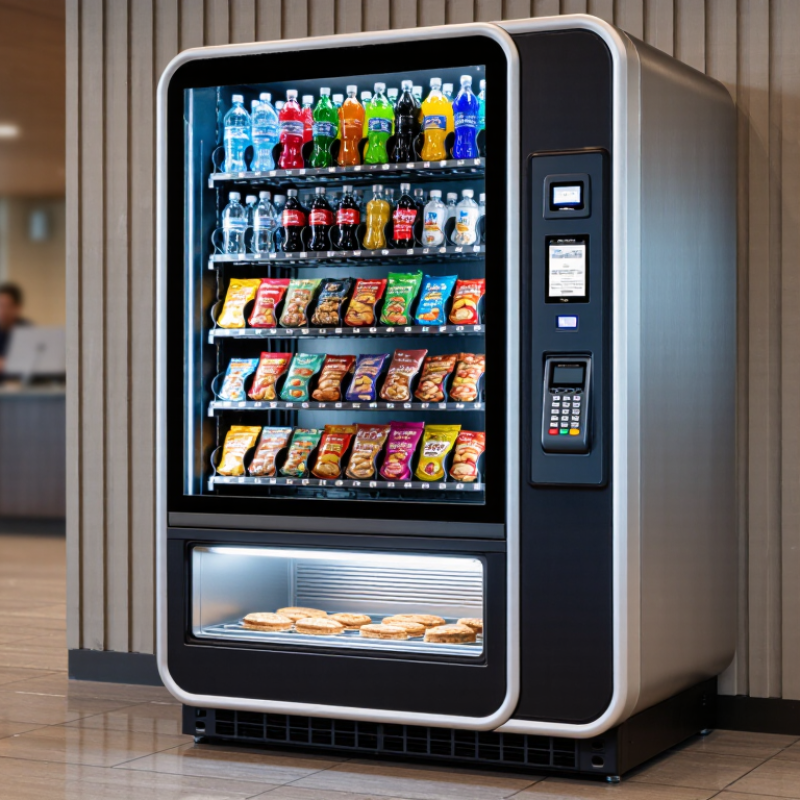
A combo vending machine is a self-service unit that offers more than one category of product, most commonly snacks and drinks, from a single cabinet. Its core purpose is to provide convenient access to varied choices without requiring separate machines. A customer might select a bottled drink and a packet of crackers from the same touch panel. Convenience matters.
Inside, the machine may use different storage zones: a chilled section for drinks and suitable foods, and standard shelves for packaged snacks. The control system tracks selections and directs each product to the delivery opening. A clear display, readable prices, and reliable payment options help make the process straightforward. Operators also need to check stock, clean the delivery area, and monitor refrigeration where applicable.
For a small office, waiting area, or shared facility, one machine can make better use of limited floor space. It may also simplify restocking, though mixed products can make inventory less predictable. A popular drink can sell out while slower-moving snacks remain. That is a useful reminder: combining categories does not guarantee a balanced selection. Product choices should reflect the people using the machine, and the layout may need adjustment after observing what actually sells.
Main Components and How They Work Together
A combo vending machine stores snacks and drinks in one cabinet, often using separate areas for chilled and room-temperature items. Its main components include product shelves, a cooling system, a payment reader, a control board, sensors, and a delivery compartment. Each part has a specific job. Together, they guide a selection from the shelf to the customer.
After payment, the control board signals the selected shelf mechanism, such as a spiral coil or motorized belt. The product drops into the delivery compartment, where a sensor can confirm its arrival. For refrigerated items, a thermostat monitors the cabinet temperature and activates the cooling system as needed. The payment reader and display handle the customer interaction. The cabinet layout matters, too: bulky bottles can block smaller snacks if the shelves are poorly arranged. Small detail. A machine may appear simple, but a misaligned coil or blocked sensor can interrupt the whole process.
Tips: Check that products fit their slots and that the delivery area stays clear. Review temperature readings and test a sample purchase during routine checks. A sensor may miss an occasional delivery, so keep a simple record of reported problems and inspect the mechanism rather than assuming every issue is software-related.
How a Combo Vending Machine Dispenses Products
A combo vending machine stores snacks and drinks in separate compartments, often within one cabinet. The selection process begins when a customer chooses an item and completes payment. A controller checks the selection, then activates the matching motor or release mechanism. Simple, but precise.
For packaged snacks, a spiral coil turns and nudges one item toward the delivery tray. Bottles and cans may use a conveyor, lift, or controlled drop, depending on their size and weight. Sensors can check whether an item has fallen; if not, the machine may offer a refund or another selection. Cold drinks stay behind an insulated door, while ambient snacks need no refrigeration. The exact setup varies by machine.
NAMA’s 2024 State of Convenience Services Industry report estimated that the U.S. convenience services industry generated $26.6 billion in 2023. That figure describes the wider industry, not combo machines alone, but it shows the scale of automated retail operations. In practice, operators must match product dimensions to each slot, set drink temperatures, and refill popular items before shelves empty. A bottle that is too tall can jam. The layout is not flawless, either: narrow coils may leave small packets awkwardly positioned, so testing each product matters. A few millimeters can make a difference.
What Is a Combo Vending Machine?
A combo vending machine offers different product types, such as snacks and drinks, in one machine. For a typical successful vend, it receives a selection, accepts payment, activates the relevant delivery mechanism, and delivers the chosen product. Each bar represents one event in this illustrative sequence.
Common Product Types and Machine Configurations
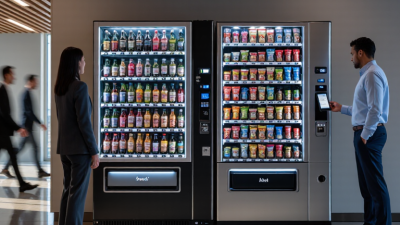
A combo vending machine brings multiple product categories into one cabinet, often pairing bottled drinks with packaged snacks. Common selections include water, juice, chips, candy, crackers, and protein bars. Some machines also carry chilled sandwiches or salads, but only when their refrigeration system supports those items. Product labels and visible rows help customers find choices quickly.
Configurations vary by cabinet size, tray layout, and temperature control. A compact unit may use adjustable spirals for cans, bottles, and small packets; larger models can provide separate areas for chilled and shelf-stable goods. Check package dimensions before loading. A tall bottle may jam in a narrow coil, while a soft snack pouch can slip through a wide gap. Small details matter.
The right mix depends on the location. An office with short breaks may need drinks and quick snacks, while a lobby could benefit from more water and fewer sweets. Track sales and restock times, then adjust the product mix. A tidy plan can still miss what people actually buy. And that happens. Recheck expiration dates, cooling performance, and delivery access during routine servicing.
Typical Locations and Uses of Combo Vending Machines
A combo vending machine offers different product types in one unit, often pairing snacks with bottled drinks. Its mixed selection can serve people who need a quick purchase without visiting a staffed counter. Placement matters, though: a machine is only useful when its products match the people passing by.
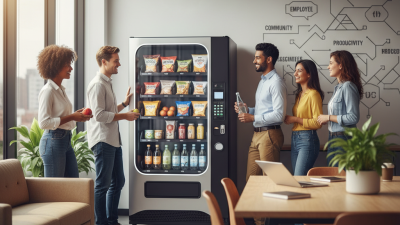
Typical locations include office break rooms, apartment common areas, school staff areas, hotel lobbies, and workplaces with evening shifts. In an office, familiar snacks and cold drinks can cover brief breaks. In an apartment building, residents may appreciate essentials such as water or packaged snacks after nearby shops close. A hotel lobby machine can help guests arriving late, while a staff area may need filling, convenient options during short rest periods. Small details count.
Operators should consider foot traffic, nearby alternatives, electrical access, and room for restocking. A machine near a doorway may be visible but awkward to use if people block the entrance. Product selection also needs regular attention: warm drinks, dietary preferences, and local demand can differ from one site to another. It is tempting to fill every slot, but slow-moving items may expire or tie up inventory. Sales records can guide adjustments, though numbers do not explain every customer choice. A short trial period may reveal more than assumptions do.