Contact Us: 416.615.1555 | sale@booksvendingmachine.com
Choosing a combo vending machine is not simply a matter of picking the largest screen or the lowest price. It should fit the location, products, and daily operating routine. A compact lobby may need a narrow footprint, while a busy break room may benefit from greater capacity and quicker restocking. Before comparing models, estimate sales by product type and note peak-use hours. This simple check can help prevent empty shelves and slow-moving stock. Small details matter.
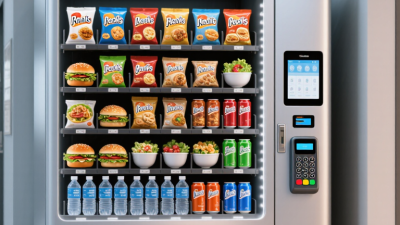
Combo vending machines typically offer snacks and drinks, but layouts, cooling performance, payment options, and service access can vary. Check product dimensions carefully; tall bottles and wide packages may not fit every column. That’s often missed. Review energy use, warranty coverage, and how easily staff can refill the machine or clear a jam. Ask suppliers about local service response times, since a machine that sits idle can frustrate customers and reduce sales. If possible, inspect a similar unit in operation before committing. Photos rarely show how awkward a refill can feel.
The best choice depends on actual demand, not a feature list alone. Compare total ownership costs, including installation, maintenance, and payment processing, and confirm the machine suits the available power and floor space. No model is perfect. A realistic sales estimate may still be wrong, so leave room to adjust the product mix after launch. A careful selection process makes it easier to serve customers reliably and manage the machine over time.
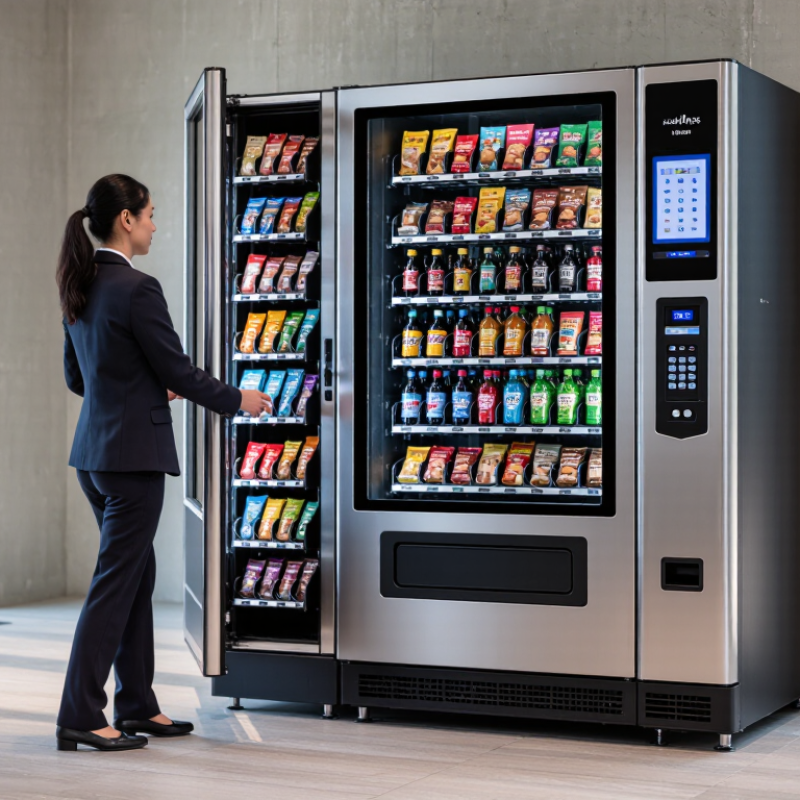
Before comparing combo vending machines, define exactly what they must sell. List each product, its dimensions, packaging, and storage needs. A canned drink, a narrow snack bar, and a fresh sandwich need different shelf layouts. Consider which items customers buy together, too. A machine near a gym may need more water and compact snacks, while one in an office could need meals and drinks for lunch. Be specific. “Snacks” is not a useful stocking plan.
Estimate demand by location and time of day. Check foot traffic, likely peak periods, and how often staff can restock. Match capacity to real sales, not an optimistic guess. A large selection can look appealing, but slow-moving items take up space and may expire. Confirm that the machine can handle your package sizes and required temperatures. Also consider whether customers can read labels and retrieve products comfortably. I would still test the mix for a few weeks; forecasts can miss what people actually choose.
Tips: Record sales by item and time. Ask customers what they could not find. Leave room for changes, because the first product mix may not be right.
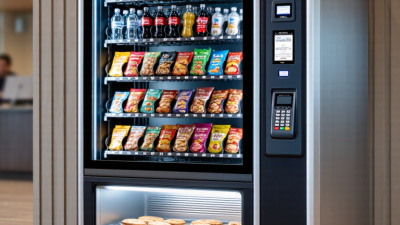
A combo vending machine should fit the products people actually buy, not just the space available. Snack-and-drink models suit offices where cans, bottled water, and packaged snacks share one location. Fresh-food combinations need reliable refrigeration and trays that hold meals securely. Check each product’s width, height, weight, and packaging before choosing a machine. A tall bottle may fit the cabinet but jam in a narrow delivery column. That matters.
Capacity is more than the advertised number of items. Compare usable selections, product facings, and how often staff can refill the machine. A site with steady lunch traffic may need more chilled meal slots; a quiet waiting area may benefit from fewer, varied items. Cantaloupe’s 2024 Micropayment Trends Report found cashless payments accounted for about 71% of vending transactions in 2023, a useful signal when planning payment options and price points. It does not tell you which products will sell locally, though. A neat spreadsheet can miss a simple detail: the shape of a snack bag.
Use sales records or a short site survey to guide the product mix, then confirm compatibility with the machine’s dispensing system. NAMA’s 2022 Industry Census estimated U.S. convenience-services sales at $26.6 billion, including vending and related formats. That broad figure shows the sector’s scale, not a guarantee of demand at one location. Leave room to adjust. A few empty selections may be better than a full machine stocked with products that do not move.
| Machine Type | Indicative Capacity | Compatible Products | Temperature Setup | Best Suited For | Key Considerations |
|---|---|---|---|---|---|
| Spiral snack-and-drink combo | Often about 20–40 selections and roughly 250–500 items, depending on product size and cabinet layout. | Packaged snacks, confectionery, cans, and compatible bottles. Product dimensions must fit the coils and delivery area. | Usually refrigerated drink columns; snack sections are generally ambient. | Offices, schools, and break rooms needing a broad mix of popular snacks and beverages. | Large bottles and irregularly shaped packs may not vend reliably in every coil. Check each product’s width, height, and weight against the machine specifications. |
| Refrigerated food-and-beverage combo | Typically fewer total items than a snack-focused configuration; capacity varies substantially with tray spacing and package size. | Chilled drinks and suitable packaged foods such as sandwiches, salads, dairy products, or other temperature-controlled items. | Refrigerated throughout, or divided into zones where the specific model supports separate temperature control. | Workplaces, campuses, and locations where customers want chilled meals as well as drinks and snacks. | Confirm required food-safe temperatures, shelf-life procedures, cleaning needs, and whether the machine provides suitable temperature monitoring. |
| Can-and-bottle-focused combo | Usually offers fewer product selections than a snack-heavy machine, with more space allocated to drinks; actual capacity depends on container size. | Cans and approved bottle formats, alongside a smaller range of packaged snacks. | Drink section is commonly refrigerated; snack section is generally ambient. | Gyms, manufacturing sites, and high-traffic locations where cold drinks are a priority. | Verify the supported can and bottle dimensions, loading method, and vend mechanism. Glass containers may be unsuitable unless explicitly supported. |
| Ambient snack-and-beverage combo | Capacity depends on the number and size of shelves or spirals; shelf-stable products can allow flexible layouts. | Packaged snacks and shelf-stable drinks. Chilled products are not suitable unless the machine has a refrigeration system. | Ambient temperature. | Locations with limited power access or where refrigeration is unnecessary. | Do not stock products requiring refrigeration. Check the product label and local food-safety requirements before choosing items. |
| Locker-based mixed-product machine | Capacity is measured by compartments rather than individual items; each compartment may hold one order or several small products. | Pre-packed meals, multi-item orders, fragile products, or items that are difficult to dispense through a spiral mechanism. | Usually ambient; refrigerated or temperature-controlled lockers are available only on compatible systems. | Sites offering pre-ordered meals, larger packages, or contactless pickup. | Compartment dimensions determine product fit. Consider order workflow, pickup time limits, and whether temperature control is needed. |
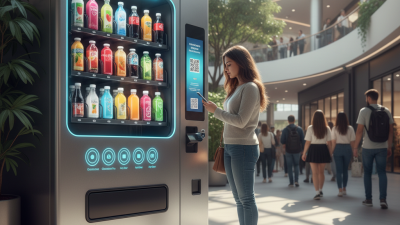
A combo vending machine serves different products, so payment should feel simple at both the snack shelf and refrigerated section. Look for support for contactless cards, mobile wallets, and cash if your customers still use it. Test the checkout flow yourself: Can someone cancel a selection easily? Is the price clear before payment? Small details matter. A smooth transaction can still fail, so check how refunds and payment disputes are handled.
Software should show stock levels, sales, and equipment alerts without requiring constant manual checks. For example, an operator should be able to spot low bottled-water inventory before the lunch rush. Ask whether the system records temperature changes and sends useful alerts. Security deserves equal attention. Check for encrypted payment handling, individual staff access, activity logs, and a clear update process. Physical cabinet locks matter, too. A machine with chilled goods may need tighter temperature monitoring than one selling only shelf-stable items. No setup is perfect; confirm who responds when a connection drops.
Tips: Request a live demonstration using your actual product mix. Ask how often software updates arrive, what happens during an internet outage, and how quickly support responds. Keep the answers in writing. A polished screen is not proof of reliable service.
A combo vending machine should fit the site before it fits the product plan. Measure the doorway, elevator, and final placement area, then check floor loading, outlet access, and ventilation clearance. A machine beside a sunny window may need more cooling than one in a temperature-controlled lobby. Record expected daily traffic and refill access, too; a machine that blocks a corridor creates problems even when it sells well. Small detail, big impact.
Tips: Ask the supplier for the machine’s power requirements, dimensions, and service-clearance diagram. ENERGY STAR reports that certified refrigerated beverage vending machines can use about 40% less energy than standard models. Treat this as a useful benchmark, not a guaranteed saving for every combo unit. Check the exact model’s energy data before estimating monthly costs. Also price delivery, payment processing, parts, and routine cleaning—not just the purchase price.
Maintenance changes the real operating cost. Check how quickly local technicians can respond, whether common parts are stocked, and how often filters or cooling components need attention. Keep a simple log of outages, spoiled items, and service visits; patterns can reveal a poor site or an unreliable setup. I would leave some budget for surprises. Estimates often look cleaner than the first few months.
A combo vending machine may look convincing in a showroom, but daily performance depends on the supplier behind it. Ask how long they have supported similar machines and whether they can share references from sites with comparable foot traffic. Request clear details about payment system compatibility, parts availability, and typical repair times. A confident answer helps. I would not treat a polished demo as proof; that is an easy mistake to make.
Read the warranty before comparing prices. Check its length, labor coverage, shipping costs, and exclusions for refrigeration, touchscreens, and payment hardware. Ask what happens if a part fails just after installation, when the machine is stocked and ready to serve customers. “Covered” can mean less than expected. Get the exact terms in writing, including who arranges service and how quickly a claim is reviewed.
After-sales support matters most when a machine stops selling. Confirm support hours, response channels, and whether technicians serve your area. Ask where replacement parts ship from and whether remote troubleshooting is available. A short video call may resolve a setup issue, but it cannot replace a local technician for every fault. Keep a record of service contacts and maintenance visits; it is a small habit that can prevent confusion later.