Contact Us: 416.615.1555 | sale@booksvendingmachine.com
Choosing the right cold drink vending machine is more complex than selecting the largest model available. Location, product temperature, customer traffic, and maintenance access all shape the decision. A busy gym may need a refrigerated bottle machine with high-capacity storage. A school hallway may benefit from a compact glass-front unit with clear product visibility.
The main options include can vending machines, bottle vending machines, combo machines, glass-front coolers, smart vending systems, and outdoor-rated units. Each type serves a different operating environment. Some prioritize speed. Others emphasize variety, energy efficiency, or cashless payment. Small details matter, such as shelf spacing, compressor noise, lighting, and recovery time after frequent door openings.
Jeff Marsh, a longtime vending-equipment executive, said, “The best machine is the one that fits the location.” That principle remains practical. A premium machine can still perform poorly in the wrong setting. I have seen operators focus on touchscreen features while overlooking service access and daily restocking time. That is an expensive mistake.
This guide examines the top cold drink vending machine types and explains where each model works best. It considers capacity, cooling performance, payment technology, security, installation needs, and long-term operating costs. The most advanced option is not always the smartest choice. Sometimes, a simpler machine delivers better reliability. That deserves closer thought.
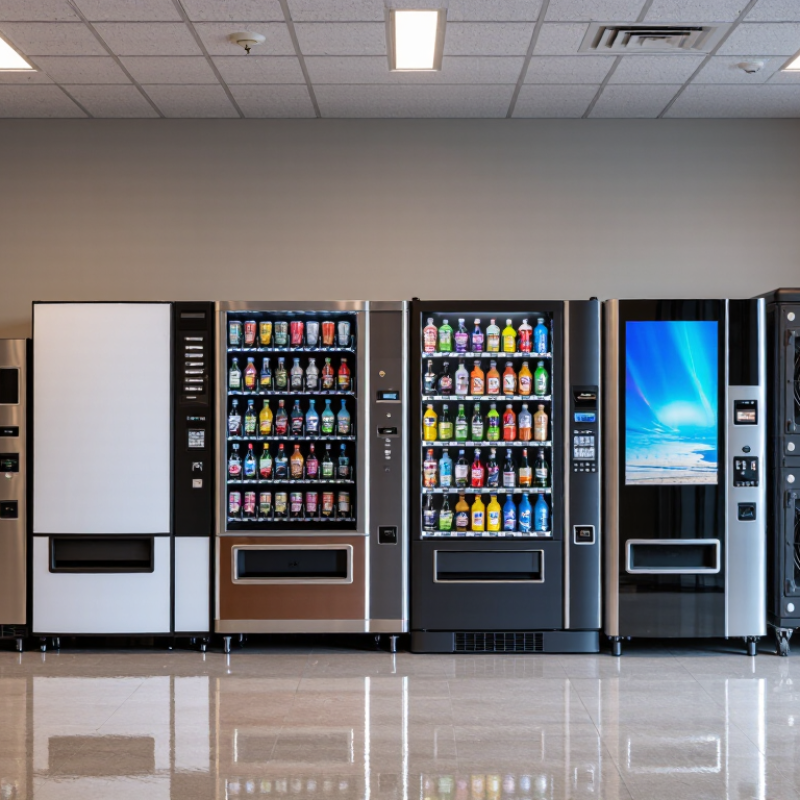
A cold drink vending machine type is defined by more than its front panel. It reflects cooling performance, product capacity, dispensing design, and operating environment. Most units maintain drinks near 2–8°C, but temperature recovery matters after repeated sales. A glass-front machine displays bottles clearly. A can-focused model uses tighter spirals and narrower product channels. Combo machines add snacks, yet they may sacrifice drink capacity. That trade-off is often overlooked.
NAMA’s 2023 Convenience Services Census estimated U.S. vending revenue at approximately $18.6 billion in 2022. This scale highlights why reliable classification matters for operators. A 2024 Grand View Research analysis also identified product variety, payment systems, and location as key vending market factors. Indoor machines usually prioritize appearance and energy efficiency. Outdoor models need stronger insulation, weather protection, and brighter screens. Connected machines add remote inventory alerts and sales data. Useful, but not always necessary.
The best type depends on the site. A busy transit area may need rapid bottle dispensing and large storage. A small office may perform better with a compact, low-noise unit. Payment access also defines practical type, especially where contactless transactions dominate. Yet categories are not perfectly fixed. A refrigerated combo machine can serve as both a beverage and mixed-product unit. In my view, buyers sometimes overvalue touchscreen features. Cooling stability, service access, and refill time usually affect daily results more. Mistakes happen.
A cold drink vending machine type is mainly defined by its cooling system, product format, loading mechanism, capacity, and intended location. The chart compares representative beverage-selection capacities for common machine types.
Capacities are representative ranges commonly used in vending equipment specifications, not fixed industry limits. Glass-front machines prioritize product visibility, can-and-bottle machines are optimized for packaged drinks, combo machines combine beverages with snacks, and outdoor models typically add weather protection and stronger temperature control.
A refrigerated can vending machine usually keeps drinks between 2°C and 7°C when operating correctly. Actual temperatures depend on the cooling system, insulation, room temperature, and stocking habits. Most machines use a compressor that removes heat from the cabinet. Fans then circulate cold air around each can. The target is stable cooling, not instant chilling. A room-temperature can may need 30 to 90 minutes before reaching the desired temperature. That range is practical, but not universal.
Insulation slows heat entering the cabinet. Every door opening allows warm, humid air inside. In busy locations, temperature recovery can become noticeably slower. Direct sunlight and nearby heaters create additional pressure on the cooling system. Loading many warm cans at once may also raise the internal temperature temporarily. Technicians often use calibrated temperature loggers rather than trusting the machine display alone. A sensor near the outlet can show colder air than the cans actually receive.
In real operating conditions, front-row cans may feel colder than cans stored deeper inside. Airflow can be uneven. Blocked vents, overloaded shelves, or dusty condenser coils may reduce cooling performance. Regular cleaning and sensible spacing around the machine help maintain airflow. If drinks remain lukewarm, check the room temperature, door seal, vents, and condenser before assuming the compressor has failed. Small details matter. Not every machine performs equally, and published cooling claims deserve practical testing.
| Vending Machine Type | Typical Product Capacity | Common Cooling System | Typical Beverage Temperature | Approximate Cooling Time | Best-Suited Locations | Key Advantages |
|---|---|---|---|---|---|---|
| Glass-Front Refrigerated Machine | Approximately 200–600 cans or bottles | Compressor-based refrigeration | About 2–8°C (36–46°F) | Usually 2–6 hours after loading, depending on product temperature and ambient conditions | Offices, schools, hospitals, transit areas, and retail spaces | High product visibility, large capacity, and reliable cooling |
| Compact Refrigerated Machine | Approximately 80–250 cans or bottles | Compact compressor or thermoelectric cooling | About 4–10°C (39–50°F) | About 2–8 hours; compressor models generally cool faster than thermoelectric models | Small offices, apartment buildings, gyms, and hotels | Small footprint, lower power demand, and easier installation |
| Multi-Temperature Beverage Machine | Approximately 150–500 items | Multi-zone compressor refrigeration | About 2–10°C (36–50°F), depending on the zone | Typically 3–8 hours for products loaded at room temperature | Large workplaces, campuses, sports facilities, and public venues | Supports different drink categories and temperature preferences |
| Outdoor Refrigerated Machine | Approximately 200–500 cans or bottles | Heavy-duty compressor with enhanced insulation and ventilation | About 2–8°C (36–46°F) under suitable operating conditions | About 3–10 hours; hot weather can increase recovery time | Parks, outdoor event areas, transport hubs, and commercial entrances | Weather-resistant construction and stable performance in demanding environments |
| Combo Snack and Drink Machine | Approximately 150–400 total products | Compressor-based beverage compartment | About 3–8°C (37–46°F) for the refrigerated section | Usually 3–8 hours after restocking | Factories, offices, residential buildings, and campuses | Offers drinks and snacks in one machine while saving floor space |
| High-Capacity Refrigerated Machine | Approximately 500–900 cans or bottles | Commercial compressor refrigeration with forced-air circulation | About 2–8°C (36–46°F) | Approximately 4–10 hours after a full room-temperature refill | Airports, universities, factories, stadiums, and busy transit locations | Large inventory, fewer service visits, and strong peak-demand performance |
Note: Cooling performance varies with ambient temperature, ventilation, insulation, product starting temperature, loading pattern, thermostat settings, and door-opening frequency. The stated ranges are general operating estimates rather than guaranteed specifications.
Glass-front beverage vending machines are among the most practical cold drink vending machine types for busy public spaces. Their clear display lets customers see chilled water, juice, tea, and soft drinks before making a choice. This visibility reduces hesitation, especially in office lobbies, hospitals, gyms, campuses, and transport areas. A well-lit cabinet can also make a small refreshment corner feel more organized.
These machines work best where product variety and quick service matter. Adjustable shelves can hold cans, bottles, and different package sizes. Reliable cooling is essential, but energy use should be checked against expected sales. Operators should record internal temperatures, clean the glass daily, and inspect payment and dispensing systems regularly. Small details matter. A cloudy window looks neglected. A warm drink loses trust quickly.
Glass fronts are less suitable for dusty outdoor locations or places with frequent impact risks. Direct sunlight may increase cabinet temperature and fade labels. I have also seen operators overfill the shelves, blocking product visibility and slowing restocking. That choice seemed efficient, but it created hidden waste. Local electrical, accessibility, sanitation, and placement requirements should be reviewed before installation. Specifications can differ by site. A strong machine still needs careful supervision.
Cold drink vending machines vary, but touchscreen and smart models now shape many busy locations. A touchscreen unit replaces physical buttons with a guided interface. Customers select a drink, review the price, choose payment, and collect the item. Clear icons help when users stand in sunlight or hurry. The screen should respond quickly. Small delays frustrate people.
Behind the display, a controller links product motors, payment hardware, temperature sensors, and door locks. After payment approval, it activates the selected motor. A delivery sensor checks whether the bottle or can reaches the pickup area. If the drop fails, reliable software should stop the charge or flag a refund request. That safeguard is practical, not decorative. In real inspections, empty coils and tilted cans often cause more complaints than screen design.
Smart vending adds remote monitoring through a secure network. Operators can view inventory levels, cooling performance, sales patterns, and fault alerts without opening the cabinet. Predictive alerts may identify rising temperatures or repeated motor stalls. Yet connectivity is not magic. A weak signal can delay updates, and sensor readings sometimes need physical verification. Regular cleaning, calibration, and manual stock checks remain essential. A touchscreen can look modern while hiding a poorly maintained machine. Good design makes the next action obvious.
The best cold drink vending machine depends on the location, not just the number of product slots. A compact refrigerated machine suits office corridors, apartment lobbies, and small clinics with steady daily traffic. It needs a narrow footprint, quiet cooling, and clear product visibility. In busy transport areas, a high-capacity glass-front machine may perform better. It can hold water, juice, soft drinks, and several can sizes. Fast payment processing also matters when customers have only two minutes.
Outdoor locations require tougher equipment. Choose weather-resistant housing, strong locks, internal lighting, and reliable temperature control. A machine beside a sports field may need more water and electrolyte drinks than sugary beverages. Near a school, product selection should reflect local nutrition expectations and responsible selling practices. This is where practical observation matters. A machine can look profitable on paper but disappoint if sunlight overheats the cabinet or drains the display.
Tips: Measure the space before choosing a model. Leave room for door opening and service access. Check temperatures during the hottest afternoon, not only in the morning. Review sales weekly and remove slow-moving items. I once underestimated refill time in a crowded lobby; the machine sold well, but the small storage area made servicing awkward. That mistake was avoidable. Clean touchpoints regularly, inspect cooling performance, and keep emergency contact details visible.