Why Choose a Drink Vending Machine for Your Business?

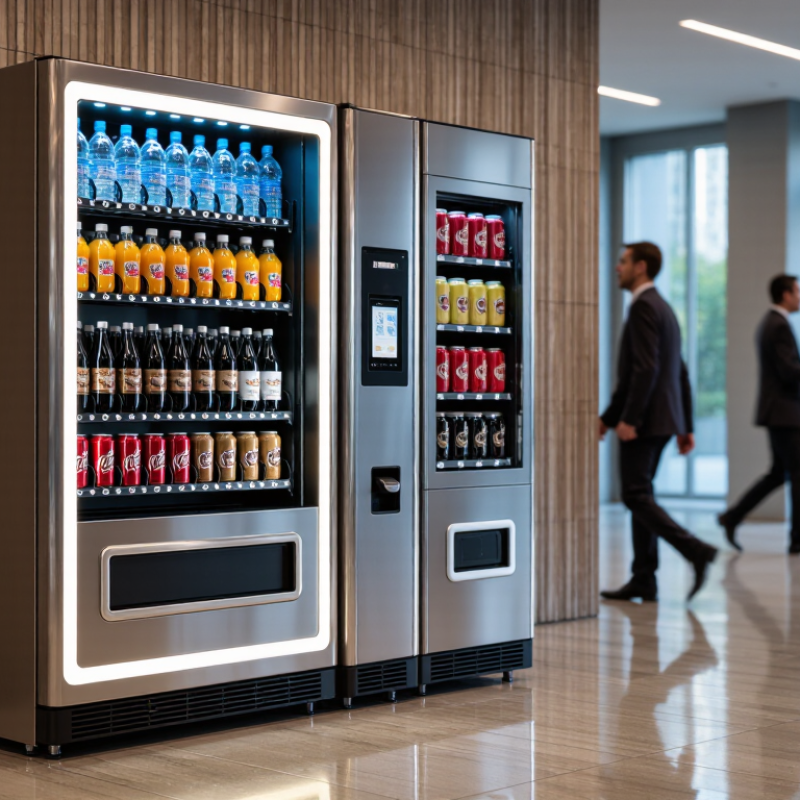
A drink vending machine can turn an overlooked corner into a practical retail point. It serves cold water, juice, coffee, and soft drinks without requiring a full-time cashier. In offices, hospitals, hotels, and transport hubs, customers often want speed more than conversation. A chilled bottle, visible through glass, answers that need within seconds.

The numbers support careful consideration. NAMA’s industry research identifies vending as a major segment of the U.S. convenience services market, with cashless payment and healthier selections shaping recent growth. Grand View Research also reports continued expansion in the global vending machine market, driven by automation, urban lifestyles, and contactless purchasing. These reports do not guarantee success. Location still matters more than impressive equipment. A machine beside a busy entrance may outperform one hidden near an attractive lounge.

Real operation reveals the details. Operators must monitor temperature, refill timing, payment reliability, and product expiry dates. Telemetry can show that sparkling water sells quickly on warm afternoons, while premium juice moves slowly after lunch. Small observations become useful decisions. Yet the model is not effortless. Machines require cleaning, maintenance, electricity, and secure placement. A failed card reader can damage trust quickly.

For many businesses, the strongest case is measurable convenience. Sales data can guide pricing and product rotation. Customer feedback can improve the range. A drink vending machine may begin as a modest amenity, then become a dependable revenue channel. It may also disappoint if assumptions replace evidence. Careful testing is wiser than automatic expansion.
Why Choose a Drink Vending Machine for Your Business?

What Is a Drink Vending Machine?

A drink vending machine is a self-service retail cabinet designed to store, chill, display, and sell packaged beverages. Customers select a drink, pay electronically or with cash, and collect it within seconds. Inside, shelves, cooling systems, sensors, and software work together. The machine can also record sales and stock levels. This makes it more than a refrigerator with a payment slot.

Grand View Research estimated the global vending machine market at about US$21.8 billion in 2023. Its report also projects strong growth through 2030. However, market figures differ by region and research method. That matters. A machine may perform well near a gym, factory entrance, or transport hub, but poorly in a quiet office corridor. In daily operation, product temperature, payment reliability, cleaning, and refill timing often influence customer trust more than appearance.

Tips: Measure foot traffic for one week before installation. Test the machine during busy and quiet hours. Choose visible placement near natural waiting points. Keep popular drinks cold, but avoid filling every slot at once. Unsold stock can quietly reduce profit. Check transaction records weekly, and review prices when energy, delivery, or maintenance costs change. A drink vending machine offers convenience, but it is not a magic box.
How Drink Vending Machines Work in Business Settings

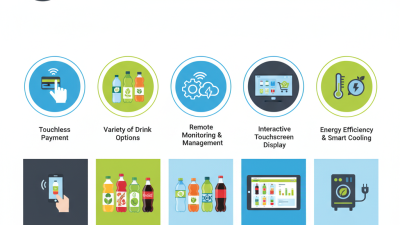
A drink vending machine works as a compact retail point, not simply a refrigerated box. In business settings, customers select a product, complete a cashless or cash payment, and receive the drink within seconds. Sensors can monitor temperature, stock levels, and machine faults. Remote telemetry then helps operators plan restocking before popular items disappear. NAMA’s 2023 Industry Census estimated that the U.S. convenience services industry generated 26.6 billion dollars in 2022. Vending represented about 18.2 billion dollars of that figure. These numbers show real demand, but location still matters greatly.

In practice, operators usually review foot traffic, nearby facilities, peak hours, and product preferences. A machine near a gym may need chilled water and electrolyte drinks. An office location may favor coffee beverages and smaller bottles. Sales data can reveal weak products after two or three weeks. However, data is not always complete. A quiet machine may reflect poor visibility, not poor demand. That distinction deserves careful testing. Electricity costs, cleaning schedules, payment fees, and expired inventory can also reduce margins. The machine needs routine attention.

Tips: Keep the display clean and well lit. Set temperature checks daily. Use telemetry for alerts, not blind decisions. Test a small product range first. Record sales by hour and day. Review prices regularly, but avoid sudden increases. NAMA also emphasizes service quality and operational consistency, which means fast repairs and accurate refilling remain important. A vending machine can extend selling hours, yet it cannot replace thoughtful site management.

Why Choose a Drink Vending Machine for Your Business? - How Drink Vending Machines Work in Business Settings

Business Dimension How the Machine Works Business Benefit Typical Operational Data Management Consideration
Product Selection The customer selects a beverage using a keypad, touchscreen, or contactless interface. The control system checks product availability before accepting the purchase. Provides convenient access to bottled water, soft drinks, juice, energy drinks, and other packaged beverages without requiring a staffed counter. Product capacity commonly ranges from approximately 100 to 500 beverage units, depending on machine size and package dimensions. Stock the highest-demand products in the most accessible selection columns and review sales data regularly.
Payment Processing A payment module validates coins, notes, cards, mobile wallets, or other approved payment methods before the machine releases the selected drink. Supports unattended sales and allows customers to purchase drinks outside normal staffed operating hours. Modern machines can accept cashless payments, while cash acceptance depends on the installed payment hardware and local currency requirements. Use secure payment equipment, display accepted payment methods clearly, and reconcile cash and electronic transactions.
Product Storage Drinks are stored in adjustable columns, spirals, shelves, or conveyor-based compartments. The machine is configured for the size and shape of each package. Makes it possible to offer a controlled product range in offices, schools, hospitals, transport locations, hospitality venues, and public facilities. Cans and plastic bottles are commonly supported; exact capacity varies according to container size, cooling layout, and internal configuration. Keep heavier products in suitable positions and avoid mixing incompatible package sizes in the same dispensing lane.
Dispensing Mechanism After payment approval, a motor, spiral, elevator, or drop mechanism moves the selected item to the collection compartment. Sensors may confirm that the product has been delivered. Reduces the need for direct employee involvement in each transaction and helps standardize the customer experience. A complete transaction usually involves selection, payment authorization, product movement, delivery confirmation, and receipt or refund handling when applicable. Test each dispensing lane after restocking and keep moving parts clean and free from obstructions.
Temperature Control A refrigeration system circulates cooled air through the product compartment. A thermostat or electronic controller regulates the internal temperature. Allows businesses to sell chilled beverages and maintain a consistent serving temperature when the machine is properly installed and maintained. Many refrigerated beverage machines are configured around a chilled range of approximately 2°C to 10°C, subject to the model and local food-safety requirements. Leave adequate ventilation space around the machine and check temperature performance during routine inspections.
Inventory Monitoring The controller records sales and, in connected models, sends stock or fault information to a remote management platform. Helps operators identify fast-moving products, reduce stockouts, and plan replenishment visits more efficiently. Restocking frequency depends on sales volume, machine capacity, location traffic, product mix, and delivery access; high-traffic sites require more frequent checks. Set minimum stock levels and use first-expiring, first-out rotation for dated beverages.
Operating Hours The machine remains available whenever it has power, products, and a functioning payment system, subject to the site’s access rules. Extends beverage availability beyond staffed service periods and can serve customers during evenings, weekends, and breaks. Availability can approach 24 hours per day in an accessible location, but actual sales depend on foot traffic and building access. Confirm site access, lighting, security, and local operating requirements before installation.
Space Requirements The machine operates as a compact, self-contained retail point and requires a stable floor, electrical connection, customer clearance, and ventilation. Uses less floor space than a staffed beverage counter and can be placed near entrances, break rooms, reception areas, or waiting zones. The required footprint varies by machine design; installation also needs front access for customers and service clearance for technicians. Measure doorways, floor space, power access, ventilation clearance, and delivery routes before purchasing or leasing equipment.
Maintenance and Hygiene Operators clean customer-contact surfaces, inspect dispensing areas, remove damaged products, check refrigeration, and service payment and delivery components. Regular care improves reliability, product presentation, customer confidence, and equipment service life. Inspection intervals should be based on usage, environmental conditions, manufacturer instructions, and applicable health and safety rules. Maintain a written cleaning, temperature-check, replenishment, and repair log.
Revenue and Cost Control Each transaction records the selling price and payment method. Operators compare sales revenue with product cost, payment fees, electricity, maintenance, rent, and replenishment expenses. Creates a measurable retail channel with controllable product assortment and pricing. Profitability varies widely according to location traffic, pricing, product cost, sales volume, service costs, and any site commission. Evaluate expected demand and total operating costs rather than relying only on the machine’s purchase price.
Customer Service Instructions, product prices, contact information, refund procedures, and fault messages are displayed through labels, screens, or support signage. Makes an unattended purchase easier to understand and provides a process for handling failed deliveries or payment issues. Response time depends on the operator’s monitoring system, location, spare parts, and service coverage. Display clear support instructions and provide a practical refund or complaint-handling process.

Note: Capacity, temperature range, payment options, connectivity, and service requirements vary by equipment configuration, site conditions, and local regulations.

Key Benefits of Installing a Drink Vending Machine

A drink vending machine can turn unused space into a practical service point. Employees, visitors, and late-shift staff can buy chilled drinks without leaving the building. This convenience may reduce interruptions at reception or during busy production hours. Placement matters. A machine near an entrance, break room, or waiting area usually receives more attention. Clear prices and visible product labels also build trust. Small details count.

The strongest benefit is dependable access throughout the day. A well-managed machine can offer water, juice, tea, and other suitable refreshments in one compact location. Cashless payment options can shorten queues, while sales records help operators adjust stock. If water sells quickly on warm days, restocking can follow real demand instead of guesswork. That helps. It can also create an additional revenue stream, although results depend on foot traffic, pricing, and product selection. Empty shelves damage confidence quickly. So does a failed payment screen.

Installation is simple only when daily operations are planned. Staff should inspect the machine, clean contact surfaces, check temperatures, and remove expired products on a set schedule. Reliable service also requires clear responsibility for refunds and repairs. Accessibility deserves attention, including reachable controls and enough space for movement. Not every location needs one. A quiet office may not generate enough sales to justify the equipment. Reviewing usage after several weeks can reveal an uncomfortable truth: convenience is valuable, but poor placement wastes it.

Important Costs and Requirements to Consider

Why Choose a Drink Vending Machine for Your Business?

Important Costs and Requirements to Consider

A drink vending machine can serve customers during breaks, evenings, or busy service periods. However, the purchase price is only one part of the investment. You may also pay for delivery, installation, electrical work, payment processing, insurance, permits, and routine maintenance. A machine placed far from a power outlet may require additional construction. That small detail can change the budget quickly.

Location affects both sales and operating costs. A visible, well-lit area near offices, gyms, schools, or waiting rooms may attract steady traffic. The floor must support the machine’s weight, and the surrounding space should allow safe customer access. Check local requirements for electrical safety, accessibility, business registration, and sales tax. Rules differ by region, so confirm them with the relevant local authority before installation. Do not rely on an online estimate alone.

Stocking also needs careful planning. Chilled drinks require dependable temperature control and regular cleaning. Slow-selling products can expire, while popular choices may sell out during hot weather. Payment software may involve transaction fees or service charges. Repairs can be occasional, but they are rarely convenient. Then reality arrives. A practical forecast should include emergency maintenance and several months of uncertain sales. The first calculation may be wrong, and that is useful to recognize. Review actual sales, waste, energy use, and customer feedback every month.

Why Choose a Drink Vending Machine for Your Business?

Typical monthly operating costs for one drink vending machine

Planning insight: Product inventory is usually the largest recurring expense, followed by location commissions and payment processing. Before installation, confirm access to a suitable power outlet, a secure and visible location, regular restocking access, local business permits, and reliable service support. Actual costs vary by machine capacity, sales volume, location terms, electricity rates, and local regulations.

How to Choose the Right Drink Vending Machine for Your Business

Choosing the right drink vending machine starts with the location, not the machine’s appearance. A gym may need chilled water, electrolyte drinks, and fast payment. An office may prefer coffee, juice, and smaller bottles. Allied Market Research valued the global vending machine market at about $18.1 billion in 2022. Its forecast also indicates strong growth through 2032. Demand is real, but poor product selection can still reduce sales.

Measure daily foot traffic for at least two weeks. Then estimate peak-hour demand and refill frequency. A machine holding 300 bottles may be unnecessary in a small workplace. It may also create stagnant inventory. Check cooling performance, shelf flexibility, energy consumption, and accessibility before purchase. The U.S. Department of Energy notes that commercial refrigeration efficiency can significantly affect operating costs. This matters when the machine runs continuously.

Payment options deserve careful attention. Recent industry reports show that cashless payments are becoming standard in unattended retail. Choose a system supporting cards, mobile wallets, and secure remote monitoring. Telemetry can report stock levels, temperature changes, and technical faults. That reduces unnecessary site visits. It is not flawless. Connectivity can fail.

Review the full cost, not only the purchase price. Include installation, electricity, payment fees, maintenance, insurance, and product waste. Request service-response terms in writing. Test the machine with real bottles before signing. A practical trial often reveals awkward loading angles or slow cooling. The right choice should fit your customers, space, budget, and willingness to manage daily details.