What Are the Top Food Vending Machines in 2026?

In 2026, the best food vending machines are not simply the newest or most connected. They are the machines that keep fresh meals at safe temperatures, accept convenient payment, and remain stocked during real working hours. NAMA’s 2024 State of the Industry report estimated U.S. convenience-services revenue at $26.6 billion in 2023. That figure covers more than food vending, so it is a sector benchmark—not proof that every machine category is growing equally.

For operators, the details matter: a chilled cabinet beside a hospital night entrance has different demands from a hot-meal unit in a busy office lobby. Temperature control, cleaning access, payment reliability, and refill routes can decide whether a machine earns repeat sales. Vending consultant Bob Tullio is a useful industry voice to consult when weighing operational choices; however, without a verifiable source for his exact words, attributing a direct quotation would be unreliable. That caution matters. A polished feature list can look convincing, while a machine still fails its location.

This guide compares leading food vending machines by food type, capacity, technology, and day-to-day practicality. It also considers what product photos often hide: service calls, wasted stock, and awkward restocking. The “top” choice is rarely universal. A little skepticism helps.
What Are the Top Food Vending Machines in 2026?

What Food Vending Machines Are and How They Work

Food vending machines are compact retail systems that sell packaged meals, snacks, and drinks without a cashier. In 2026, the strongest options will likely include refrigerated meal machines, fresh-food lockers, and mixed snack-and-drink units. Each machine combines a payment terminal, product sensors, a control computer, and delivery mechanisms. A spiral coil pushes a snack forward. A locker releases one prepared meal. Temperature sensors protect chilled products, while cameras or weight sensors confirm dispensing.

The process is simple, but the engineering is not. A customer selects an item, pays digitally, and receives the product after the machine checks inventory. Remote software can report low stock, temperature changes, and payment errors to an operator. This helps staff refill before a lunch-hour shortage occurs. Grand View Research valued the global vending machine market at approximately $21.84 billion in 2023 and projected a 10.8% compound annual growth rate from 2024 to 2030. The estimate covers several vending categories, not food alone.

Location still decides performance. A refrigerated meal machine near offices needs reliable cooling and frequent deliveries. A snack machine in a school or transport hub may need stronger security and simpler products. Allied Market Research projected the wider vending machine market could reach $37.2 billion by 2030. Definitions vary between reports, so the figures should not be treated as exact truth. That limitation matters. A machine can look “smart” while offering poor food rotation, confusing payment steps, or weak temperature records. Operators should test real purchasing behavior, not rely only on attractive sales forecasts.
How to Evaluate Food Vending Machines in 2026

Choosing a food vending machine in 2026 starts with the food, not the touchscreen. A chilled salad unit needs stable temperature records, while a hot-meal machine needs reliable heating and clear holding-time controls. Ask for service records and a demonstration using your actual menu. Small details matter.

Check payment options, stock alerts, and sales reports during a live demonstration, not just a polished presentation. Remote monitoring can flag empty slots, but only if staff can respond quickly. Inspect shelves, seals, drainage, and the cleaning steps required between refills. If cleaning takes too long, it may be skipped. Worth checking.

Compare total operating costs, including electricity, spoilage, service visits, payment fees, and downtime. Test the machine in its real location, tracking hourly sales and unsold items for several weeks. A busy lobby behaves differently from a quiet clinic corridor. I would not treat one strong sales week as proof; seasonal demand can shift, and forecasts are imperfect. That deserves a second look.

What Are the Top Food Vending Machines in 2026? - How to Evaluate Food Vending Machines in 2026

Compare food vending machine types by food safety needs, capacity, location fit, and operating requirements. Figures below are typical planning ranges, not specifications for a particular machine.

Machine Type Products Typically Sold Typical Capacity Storage or Serving Conditions Best-Fit Locations Key Evaluation Checks
Refrigerated fresh-food machine Packaged sandwiches, salads, dairy products, and chilled meals About 100–300 items, depending on package size and shelf layout For perishable food, use monitored refrigeration; many food-safety guidelines specify 5°C (41°F) or below. Offices, hospitals, campuses, and transport hubs with steady daytime demand Temperature logging and alerts, product-expiry controls, easy-to-clean surfaces, and reliable restocking access
Frozen-food vending machine Frozen meals, ice cream, and other frozen packaged foods About 100–400 items, depending on package dimensions and freezer configuration Frozen products are generally held at −18°C (0°F) or colder; confirm the required temperature for each product and local rules. Residential buildings, campuses, workplaces, and locations with limited nearby food service Freezer performance, door-seal condition, temperature alarms, defrost management, and clear reheating instructions
Fresh-meal machine with robotic delivery Packaged bowls, boxed meals, salads, and other chilled prepared foods About 40–150 meals, depending on compartment size and product range Usually refrigerated; food must remain within the applicable safe holding range until dispensed. High-traffic offices, hospitals, and sites where customers want meal-sized options Gentle product handling, accurate inventory tracking, refrigeration monitoring, payment reliability, and restocking workflow
Hot-food vending machine Heated packaged meals, soups, and selected hot snacks About 20–100 meals, depending on serving format and heating cycle May refrigerate food before dispensing and heat it to order; hot holding and reheating requirements vary by food and jurisdiction. Late-shift workplaces, hospitals, campuses, and sites with demand outside cafeteria hours Heating time, consistent serving temperature, ventilation and power needs, cleaning access, and food-safe loading procedures
Combination snack-and-drink machine Packaged snacks, shelf-stable foods, and bottled or canned drinks About 200–600 items across multiple product selections Most products are stored at ambient temperature; chilled drink sections require suitable refrigeration. Break rooms, schools where permitted, gyms, and public waiting areas Product mix flexibility, item-selection accuracy, accessibility, payment options, and refrigeration needs for drinks
Smart pantry or open-shelf kiosk Packaged meals, snacks, drinks, and other items selected from shelves or coolers Varies widely; often several hundred items across shelves and refrigerated sections Ambient and refrigerated zones may be combined; each product must be stored according to its safety requirements. Managed office break rooms, residential communities, and staffed or access-controlled sites Inventory accuracy, loss prevention, checkout simplicity, access control, restocking records, and separate temperature monitoring

How to choose: Match the machine to the foods you plan to sell, expected daily demand, available floor space, electrical supply, and restocking schedule. Confirm local food-safety, accessibility, and electrical requirements before installation. Capacity and temperature needs vary by machine design, packaging, and applicable regulations.

Leading Food Vending Machine Types and Their Best Uses

What Are the Top Food Vending Machines in 2026?

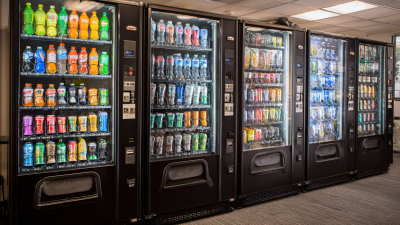
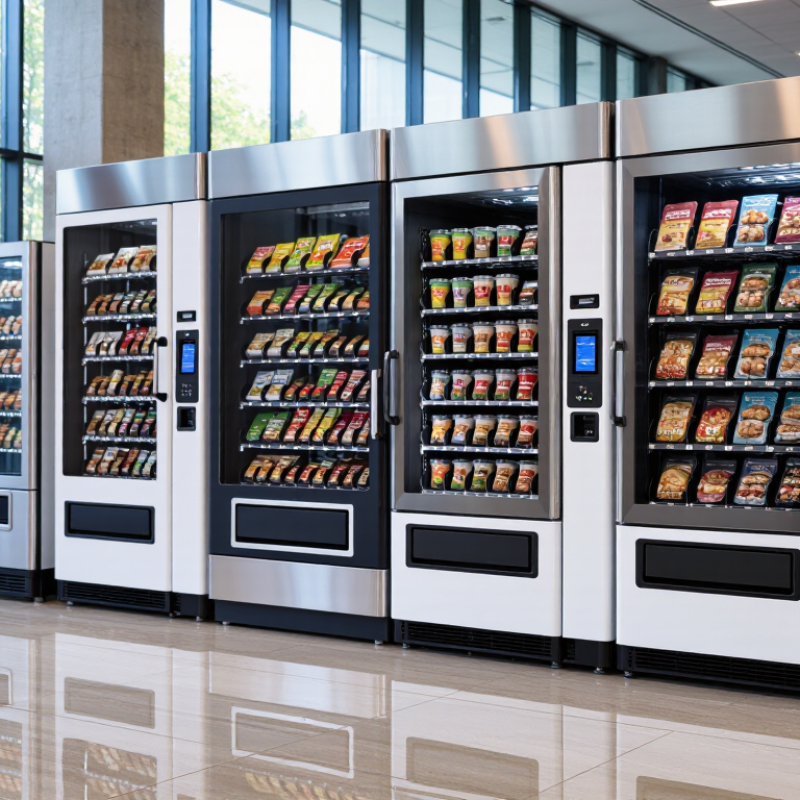
Fresh meal vending machines suit offices, hospitals, and university buildings with steady lunchtime demand. They offer salads, rice bowls, sandwiches, and chilled snacks. Refrigerated compartments should display clear temperature readings and use strict expiry rotation. Hot food vending machines work well near factories, transport hubs, and late-shift workplaces. They provide heated meals within minutes, but menus must remain simple for consistent quality. Frozen food machines fit gyms, residential buildings, and convenience-focused locations. They can store longer-lasting items, although customers may dislike waiting for heating. Snack and drink machines remain useful in schools and public areas. Healthier choices, smaller portions, and visible nutrition information can improve trust.

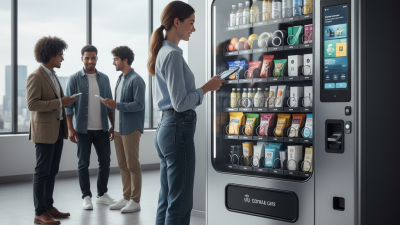
The best machine depends on traffic patterns, power access, and cleaning support. A busy office may need two smaller machines instead of one crowded unit. Payment options should include contactless methods and clear error messages. Operators should record temperature checks, cleaning times, refill dates, and customer complaints. These details support reliable service and demonstrate professional food handling. However, technology does not solve weak planning. I have seen attractive machines fail because restocking took too long. That lesson is easy to overlook.

Tips: Test the machine during peak hours before installation. Measure actual sales by product, not guesses. Keep popular meals at eye level. Leave space for accessibility and safe movement. Review unsold food weekly, then adjust portions or delivery times. Small mistakes can become expensive waste.

What Are the Top Food Vending Machines in 2026?

Leading food vending machine types and their best uses, compared by typical food-holding temperature.

Ambient Snack Machines

Best for packaged snacks, bottled drinks, shelf-stable meals, offices, schools, and transport hubs.

Refrigerated Fresh-Food Machines

Best for salads, sandwiches, dairy products, fruit cups, and ready-to-eat meals that require chilled storage.

Frozen-Food Machines

Best for frozen meals, ice cream, frozen snacks, and locations requiring longer product storage.

Hot-Meal Machines

Best for heated prepared meals, soups, noodles, and high-traffic workplaces or campuses.

The chart uses representative operating targets: ambient products are stored at room temperature, chilled foods at 5°C or below, frozen foods at −18°C or below, and hot-held foods at 60°C or above. Actual requirements depend on local food-safety regulations, product formulation, and machine settings.

Key Features That Set Top Machines Apart

In 2026, the strongest food vending machines are judged by more than attractive screens. Operators now examine temperature stability, cleaning access, payment reliability, and refill speed. During site testing, a machine should hold chilled food within its declared range, even during busy periods. Small details matter. Wide trays, bright interior lighting, and clear expiry labels help customers choose confidently. Adjustable shelves also support different meal sizes without wasting valuable space.

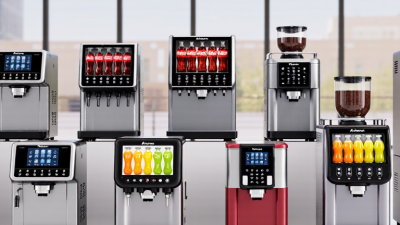
Remote monitoring is becoming a practical advantage, not a decorative feature. Useful systems report temperature changes, stock levels, door faults, and payment errors in near real time. Technicians can then schedule a refill before empty spirals become a service complaint. Still, connectivity can fail. Each unit needs local alerts, manual checks, and a simple recovery process. Cashless payment should be fast, but accessible controls remain important for people with different abilities. Touchscreens need readable text and responsive buttons.

Food quality separates a convenient machine from a disappointing one. Top models use adjustable compartments for sandwiches, fruit, salads, snacks, and temperature-sensitive meals. Some include sensors that detect product movement and reduce unnecessary door openings. That sounds impressive, yet sensors require calibration and regular cleaning. Operators should record delivery times, discarded items, customer complaints, and maintenance visits. Staff must follow documented food-handling procedures and applicable local requirements. A polished interface cannot repair poor stock rotation.

How to Choose a Machine for Each Location and Food Category

What Are the Top Food Vending Machines in 2026?

How to Choose a Machine for Each Location and Food Category

Start with the location, not the machine. A hospital corridor may need chilled meals and clear allergen labels, while a factory break room may favor filling snacks and drinks during short shifts. In a school or office, estimate peak-hour traffic and restocking access before choosing capacity. NAMA’s 2023 State of the Convenience Services Industry report estimated U.S. industry revenue at $26.6 billion across vending and related services. That broad figure signals a substantial market, but it does not predict sales at one site. Count foot traffic for several days. It is less glamorous than guessing, and more useful.

Match storage to the food. Refrigerated sandwiches, salads, and dairy-based items require dependable temperature monitoring; the FDA Food Code sets 41°F (5°C) or below for cold-held time/temperature-controlled foods. Frozen meals need suitable freezer capacity and clear heating instructions. Shelf-stable items suit remote sites with infrequent service, though heat and humidity can still affect quality. Check product dimensions, loading access, payment options, and cleaning routines before purchase. A machine packed with the wrong food is still a bad fit. One caveat: published market totals rarely reveal local demand, so test a small menu and track sell-through, spoilage, and refill frequency before expanding.