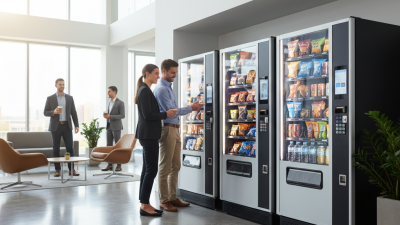
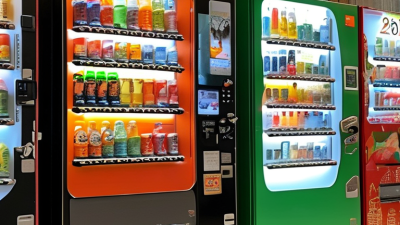
Choosing food vending machines in 2026 requires more than comparing prices and screen sizes. Operators must study location, product freshness, energy use, payment security, and maintenance access. A machine near a university needs different features from one in a hospital lobby. Temperature control matters. So does refill speed.
Industry data shows why this decision deserves careful planning. NAMA’s 2024 Convenience Services Industry Census estimated United States vending sales at approximately $18.2 billion in 2023. Grand View Research valued the global vending machine market at about $21.8 billion in 2023 and projected strong growth through 2030. These figures indicate opportunity, but they do not guarantee profit. A busy site can still fail when rent, spoilage, and service calls are underestimated.
Carla Balakgie, former president and CEO of NAMA, described vending as “a $30 billion industry.” Her statement highlights the sector’s scale and continuing commercial relevance. Yet scale can mislead new buyers. The cheapest machine may consume more electricity or reject modern payments. The most advanced model may offer features customers rarely use. In this guide, we will compare refrigerated, frozen, ambient, and smart food vending machines. We will examine capacity, telemetry, hygiene design, payment options, warranty terms, and return-on-investment assumptions. Some recommendations will remain conditional. That is intentional. Real performance depends on foot traffic, climate, product mix, and daily operating discipline.
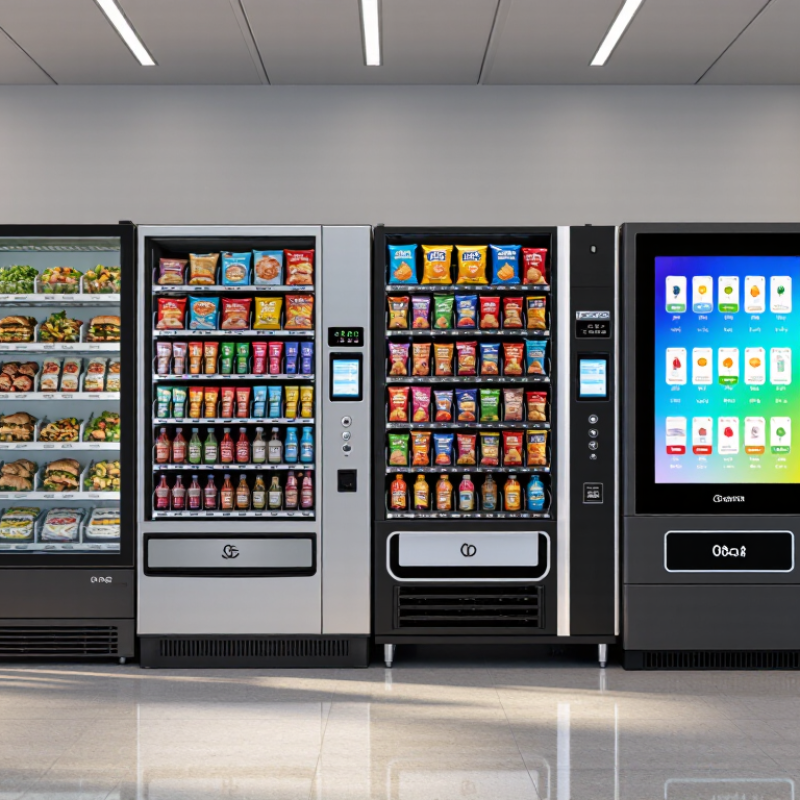
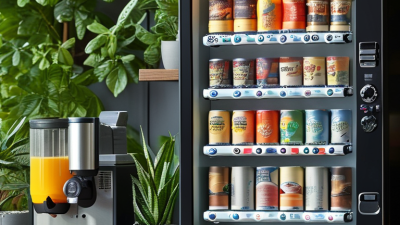
Food vending machines are automated retail systems that store, present, and sell prepared food without a staffed counter. Inside, shelves, coils, or conveyor mechanisms hold each item securely. A customer selects a product on a screen, pays electronically, and waits for the dispensing cycle. The machine then releases the item through a protected pickup bay. Simple enough. Yet the details matter.
Modern units may use temperature sensors, cameras, weight checks, and software alerts. Refrigerated models keep sandwiches, salads, or drinks within a programmed range. Heating models warm selected meals after payment, while insulated models handle shelf-stable snacks. A control system records sales and flags low stock, faults, or unusual temperature changes. In practice, sensors can drift, doors can jam, and internet connections can fail. Staff still need a clear inspection and restocking routine.
When choosing a machine in 2026, match its design to the food, location, and expected traffic. Check temperature control, cleaning access, payment security, accessibility, energy use, and service support. A school, hospital, office, or transit area may need different capacity and delivery speed. Ask how the machine handles refunds, expired products, power outages, and allergy information. Do not trust a polished screen alone. Test the full customer journey with real packaging before installation. An attractive machine can still create waste if products sell slowly or loading is awkward.
| Evaluation Dimension | Typical Data or Requirement | How Food Vending Machines Work | Selection Guidance for 2026 |
|---|---|---|---|
| Basic Definition | An automated retail cabinet that stores, displays, accepts payment for, and dispenses packaged food or beverages. | A controller receives a selection and payment confirmation, then activates a motor, elevator, conveyor, spiral, or locker mechanism. | Choose a machine according to the product type, package size, required temperature, site traffic, and replenishment schedule. |
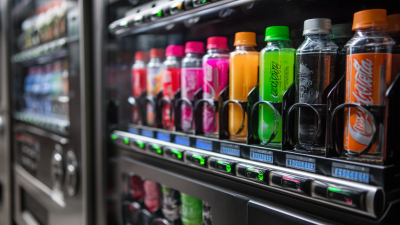
| Product Categories | Shelf-stable snacks, bottled or canned drinks, refrigerated meals, fresh sandwiches, salads, frozen products, and prepared meals. | The machine uses fixed shelves, adjustable trays, spirals, conveyor lanes, or temperature-controlled compartments to match the product. | Use ambient machines for packaged dry goods; use refrigerated or frozen models when food safety requires controlled temperatures. |
| Temperature Control | For time/temperature-controlled food, cold holding is commonly maintained at 41°F (5°C) or below under the U.S. FDA Food Code. | A compressor or thermoelectric cooling system, temperature sensor, fan, and controller maintain the selected temperature range. | Verify the local health-code requirement, temperature logging, alarm functions, door seals, and recovery performance before purchase. |
| Storage Capacity | Capacity varies widely, from several dozen large products to several hundred small packaged items, depending on cabinet size and layout. | Each selection is assigned to a product lane or compartment; inventory sensors or sales records indicate when replenishment is needed. | Estimate daily sales, delivery frequency, product dimensions, and safety stock instead of choosing capacity only by cabinet appearance. |
| Product Handling | Fragile or irregular products require gentler dispensing than rigid cans, bottles, or boxed snacks. | An elevator, delivery bin, controlled-drop system, or locker can reduce impact and help prevent product damage. | Test the actual products, including soft packages, round containers, and different package weights, before approving the machine. |
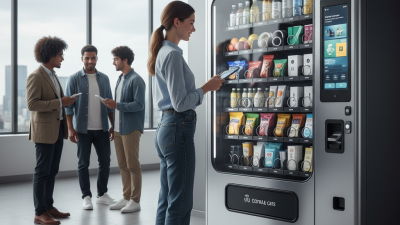
| Payment Methods | Common options include coins, banknotes, contactless cards, chip cards, mobile wallets, QR payments, and prepaid accounts. | The payment terminal authorizes or validates payment, while the vending controller releases the product after confirmation. | Prioritize contactless and chip-payment support, offline-payment safeguards, clear receipts, encryption, and reliable network connectivity. |
| Power Requirements | Most machines require a dedicated grounded electrical connection; refrigeration generally consumes more electricity than ambient vending. | The control board powers the display, payment system, motors, lighting, sensors, and—when fitted—the refrigeration system. | Check rated voltage, current, plug type, circuit capacity, standby consumption, ventilation clearance, and local electrical regulations. |
| User Interface | Keypads, touchscreens, product images, multilingual menus, accessibility features, and audio or visual prompts may be available. | The interface displays selections and prices, collects payment, reports errors, and guides the customer through collection. | Select high-contrast controls, readable text, accessible reach ranges, simple navigation, and a screen that remains visible in the site lighting. |
| Remote Monitoring | Connected systems can transmit sales, inventory, temperature, payment status, door openings, and fault alerts. | A cellular or wired connection sends machine data to a remote dashboard for reporting and operational alerts. | Confirm data ownership, alert thresholds, connectivity coverage, dashboard access, cybersecurity controls, and subscription charges. |
| Food Safety Features | Useful features include temperature alarms, automatic records, washable surfaces, protected storage, stock rotation, and expiry tracking. | Sensors and software monitor operating conditions, while the cabinet limits customer access to stored products. | Confirm cleaning procedures, food-contact materials, local permits, allergen information, date coding, and documented temperature checks. |
| Security and Reliability | Relevant features include reinforced locks, impact-resistant panels, tamper detection, backup records, and automatic fault recovery. | The controller detects stalled motors, open doors, payment errors, or temperature deviations and can suspend affected selections. | Evaluate service access, spare-parts availability, warranty terms, mean time between failures, and the ease of clearing a product jam. |
| Site and Installation | The location must provide sufficient floor space, delivery access, customer clearance, electrical service, lighting, and network coverage when needed. | After installation and leveling, the machine connects to power and payment networks, is loaded with products, and is tested before opening. | Measure doorways, lifts, floor loading, aisle clearance, heat exposure, weather protection, and accessibility before ordering. |
| Operating Cost Factors | Main costs include equipment, installation, electricity, payment processing, connectivity, maintenance, cleaning, spoilage, restocking, and site fees. | The machine reduces the need for continuous on-site staffing but still requires regular replenishment, sanitation, inspection, and technical support. | Compare total cost of ownership over several years rather than comparing only the purchase price. |
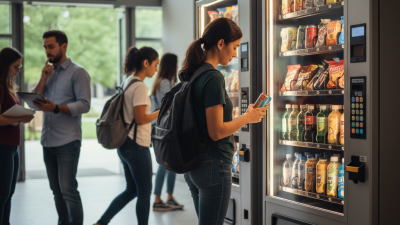
| Best Use Cases | Offices, schools, hospitals, residential buildings, transport areas, gyms, workplaces, and locations with extended operating hours. | Customers purchase items without a cashier, while operators refill inventory and manage the machine through scheduled visits or remote data. | Select products and machine features based on observed demand, opening hours, security conditions, and the availability of nearby service staff. |
Note: Capacity, power consumption, dimensions, payment compatibility, and temperature performance vary by machine design. Verify technical specifications and applicable food-safety, accessibility, electrical, and payment regulations for the installation location.