Renting a vending machine in 2026 can be a practical way to test a small retail idea without purchasing expensive equipment. A well-placed machine may serve bottled water, packaged snacks, coffee, or other permitted products near offices, gyms, schools, apartments, and transport areas. However, location matters more than appearance. A modern screen cannot fix weak foot traffic.
This guide explains how to rent vending machine equipment with clearer expectations. It covers rental plans, deposits, delivery, installation, product selection, payment systems, maintenance, and contract terms. Experienced operators usually inspect the machine before signing. Look for clean compartments, working temperature controls, secure locks, reliable card readers, and visible service contacts. Ask who handles repairs and how quickly technicians respond. Small details become costly problems.
A trustworthy supplier should provide transparent pricing, insurance information, service records, and written responsibilities. Confirm whether electricity, permits, restocking, transportation, and damage fees are included. Requirements differ by city and property type, so local authorities and landlords should be consulted before installation. Never assume a verbal promise protects your business.
Real-world results are rarely perfect. A machine can sell well during weekdays but remain quiet on weekends. Some products may expire faster than expected. That is part of the learning process. Track sales, refunds, stock levels, and customer feedback for at least several weeks. Then adjust carefully. The cheapest rental may not be the most reliable choice. A flexible agreement, responsive support, and a realistic location plan often create better long-term value.
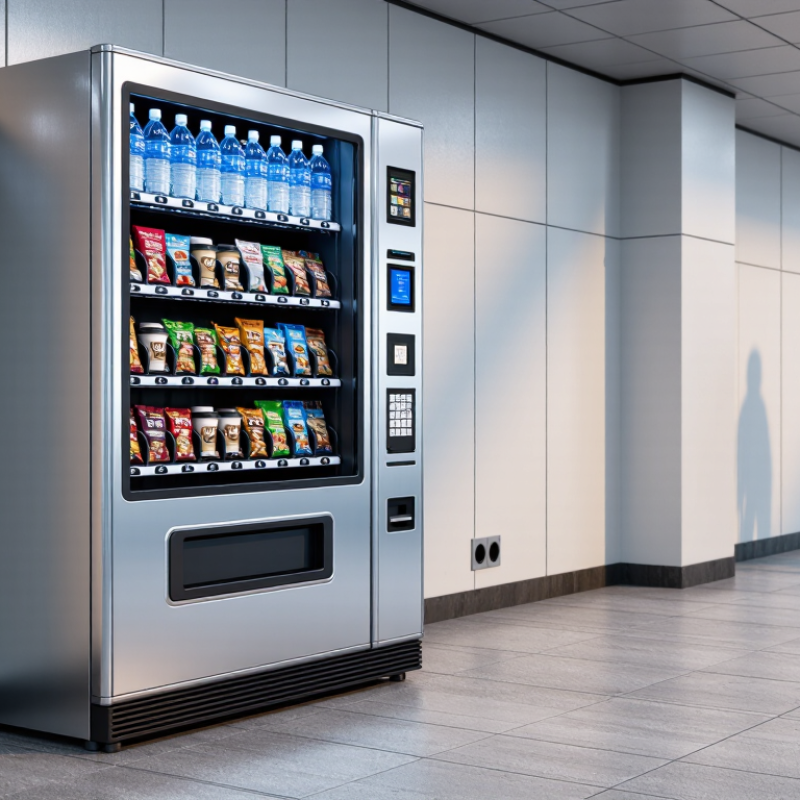
Before renting a vending machine in 2026, define what the machine must accomplish. A snack machine near a busy office needs different features from a refrigerated unit in a gym. List the products, expected daily sales, available floor space, power access, and temperature requirements. Measure the location carefully. A narrow hallway can make restocking surprisingly difficult.
Set a clear rental goal before comparing agreements. You may want to test a new location, cover seasonal demand, or avoid a large equipment purchase. Estimate weekly revenue, product costs, rental charges, maintenance fees, and payment processing expenses. Leave room for slow days. My first sales estimate was too optimistic because I ignored holidays and staff vacations.
Choose capacity based on real customer behavior, not appearance. A smaller machine may reduce waste and simplify restocking. Ask the rental provider about delivery, repairs, refund handling, cleaning duties, insurance, and contract renewal terms. Confirm whether the machine supports secure cashless payments and provides useful sales data. Check local permits, electrical requirements, accessibility rules, and food-handling expectations before installation. Keep written records of inspections and service calls. A clear goal makes these details easier to judge.
A practical planning table for selecting machine capacity, placement requirements, rental duration, and operating targets.
| Planning Dimension | Recommended Option or Range | Typical Requirement | Rental Goal | Key Decision Check |
|---|---|---|---|---|
| Product Category | Packaged snacks, cold beverages, fresh food, or mixed products | Products should be sealed, clearly labeled, and suitable for unattended retail. | Match the machine to the products most frequently requested at the location. | Confirm product dimensions, shelf life, temperature needs, and replenishment frequency. |
| Machine Format | Snack-only, beverage-only, refrigerated, frozen, or combination machine | Combination machines generally require more floor space but can serve multiple product categories. | Increase product variety without installing several separate machines. | Choose refrigerated equipment only when the product mix requires controlled cooling. |
| Storage Capacity | Approximately 150–500 product selections, depending on machine size and package dimensions | High-traffic sites need more facings and greater storage capacity to reduce refill trips. | Maintain product availability during peak periods and weekends. | Estimate daily sales by product and allow enough stock for the longest refill interval. |
| Expected Daily Sales | Use a conservative forecast of 10–60 transactions per day for a new location | Actual sales vary by foot traffic, working hours, product pricing, and nearby alternatives. | Test demand before committing to a longer rental term or additional machines. | Start with a low-risk forecast and review actual sales after the first 30–90 days. |
| Rental Duration | Short trial: 1–3 months; standard operating term: 6–12 months | Shorter terms offer flexibility, while longer terms may provide more predictable monthly budgeting. | Validate location performance before making a long-term commitment. | Check early termination rules, renewal terms, delivery timing, and equipment return conditions. |
| Indicative Rental Budget | Approximately USD 100–500 per machine per month | Pricing depends on machine type, age, capacity, refrigeration, payment features, service, and rental term. | Keep fixed equipment costs aligned with realistic monthly gross sales. | Ask whether delivery, installation, repairs, software, payment processing, and insurance are included. |
| Payment Methods | Cash, bank card, contactless payment, mobile wallet, or a combination | Electronic payment acceptance requires compatible hardware, connectivity, and transaction processing. | Reduce abandoned purchases and support convenient low-value transactions. | Compare transaction fees, connectivity charges, settlement timing, and offline payment capability. |
| Power Supply | Standard commercial electrical outlet; refrigerated units require continuous power | Most machines should be placed near a suitable outlet with safe cable routing. | Prevent service interruptions and avoid unsafe extension-cord arrangements. | Confirm voltage, outlet location, electrical load, and access to the power source. |
| Floor Space | Plan for approximately 0.8–1.5 square meters, plus customer access and service clearance | Required space varies by machine dimensions and local accessibility standards. | Provide comfortable purchasing access while preserving pedestrian flow. | Measure width, depth, height, doorways, elevators, and the path used for installation. |
| Restocking Frequency | Two to seven visits per week, depending on sales volume and storage capacity | Perishable or temperature-sensitive products may require more frequent checks. | Maintain availability, freshness, cleanliness, and accurate inventory. | Set a refill schedule and define who handles inventory, expired products, and cleaning. |
| Maintenance Response | Target a response window of 24–72 hours for standard technical issues | Refrigeration, payment, dispensing, and connectivity faults can directly reduce sales. | Limit downtime and protect customer confidence. | Confirm support hours, emergency service, repair responsibility, replacement policy, and spare-part costs. |
| Location Approval | Written permission from the property owner or site manager | Some locations also require local permits, electrical approval, health compliance, or accessibility review. | Operate lawfully and avoid removal, relocation, or contract disputes. | Document placement rights, operating hours, revenue share, liability, security, and access rules. |
| Performance Review | Review sales, product mix, downtime, refill labor, and net margin monthly | A machine should be evaluated using net results rather than sales revenue alone. | Decide whether to continue, relocate, change products, or upgrade the rental plan. | Track revenue, rental cost, payment fees, inventory cost, maintenance, transport, and waste. |
Planning note: Rental prices and operating requirements vary by country, machine condition, location, service coverage, and contract terms. Treat the budget ranges as planning estimates and obtain written quotations before signing.