Top 10 Tips to Rent a Vending Machine for Your Business?
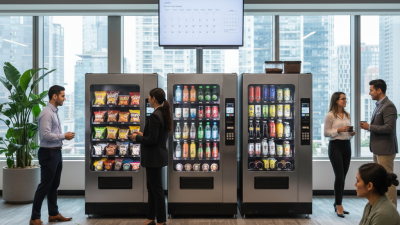
In the fast-paced world of business, the decision to rent vending machines can be a strategic move. A recent report from IBISWorld indicates that the vending machine industry generates over $7 billion in revenue annually. This figure underscores the potential profitability of adding vending services to your business. By choosing to rent vending machines, companies can diversify their offerings and increase customer satisfaction.
Moreover, the rental model minimizes upfront costs. This approach allows businesses to test the waters without committing significant capital. According to Statista, the demand for convenient snack and beverage options continues to grow, especially in workplaces and public spaces. As consumer preferences shift, it’s crucial to stay ahead of trends and adapt offerings accordingly.
However, renting a vending machine is not without its challenges. Selecting the right machine and products demands careful consideration. Engaging with reputable suppliers ensures quality and reliability. Taking the time to research can result in long-term benefits. Overall, renting vending machines can enhance a business's appeal, if approached thoughtfully and strategically.
Understanding Your Business Needs for a Vending Machine
When considering a vending machine for your business, understanding your unique needs is crucial. Start by assessing your target audience. Are they employees, students, or customers? Their preferences will guide your selection of products. For instance, a gym may benefit from healthy snacks, while an office might favor coffee and pastries. Knowing your clientele allows you to stock items that resonate with them.
Next, evaluate the location of the vending machine. High foot traffic areas, like break rooms or lobbies, can increase sales. The visibility of the machine plays a vital role as well. Regular maintenance and stock replenishment are essential to keep customers engaged. However, not all locations may yield a profit. Some may experience high costs with low demand. Reflecting on these factors can help you make informed choices.
Consider your budget and financial expectations. Initial costs can vary widely, from purchasing to leasing a machine. Factor in ongoing expenses, such as restocking and maintenance. Set realistic revenue goals to assess the vending machine's performance. Adjust your strategy based on what works and what doesn’t. Flexibility in your plan allows for better decision-making as you learn from early experiences.
Researching Different Types of Vending Machines Available
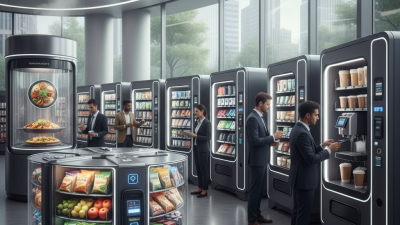
When considering a vending machine for your business, it's essential to research the various types available. Automated machines can serve snacks, beverages, or even health-focused items. Different target audiences may prefer different products. Think about the preferences of your customers. Do they want quick snacks, or would they appreciate healthy options?
Next, consider the operational aspect of each type. Some machines require more maintenance than others. Older machines might need frequent repairs, leading to higher downtime. New models offer advanced technology, often requiring less upkeep. However, they can come with a higher price tag. The balance between cost and reliability is crucial.
Location plays a significant role in your choice. A machine positioned in a high-traffic area will likely yield better results. Study foot traffic patterns in your desired location. This requires time and effort but can lead to better returns. If you notice the wrong items are being stocked, it’s worth revisiting your initial choices. Adapting to customer feedback can significantly enhance your vending machine's performance.
Evaluating Location Options for Maximum Customer Traffic
Choosing the right location for a vending machine can make or break your venture. Studies show that foot traffic significantly impacts sales. Placing your machine in high-traffic areas can enhance visibility and increase purchases. According to a report by IBISWorld, businesses located in busy areas see sales spikes of up to 40% compared to less busy spots.
However, even prime locations have challenges. Ill-maintained areas may deter customers. Some businesses overlook the importance of cleanliness and safety. An unappealing environment can drive potential customers away, resulting in lost sales.
Consider different types of locations. Office buildings, gyms, and schools can offer distinct advantages. Each has a specific customer base with unique needs. Reports indicate that vending machines at gyms often have higher engagement due to the convenience they provide.
Evaluating customer behavior is crucial. Understanding your audience will inform the best locations. Regularly gathering and analyzing this data can lead to improvements and increased revenue over time.
Assessing Costs and Budgeting for Machine Rental
Assessing costs and budgeting for vending machine rental is crucial for any business. Start by understanding the rental fees. They vary based on the machine type, location, and products offered. Knowing this helps you gauge the overall financial impact on your operations. Hidden costs often arise, like maintenance or restocking fees. Always ask for a transparent fee structure.
Create a budget that includes insurance and utility costs. These elements can be overlooked but are essential for accurate budgeting. It's helpful to track your expenses for the first few months. This may reveal unexpected patterns, like higher energy bills or lower-than-anticipated sales. Inconsistent profits can occur as you get started, urging a reevaluation of your product selection and pricing strategy.
Consider potential revenue from the machine. Estimate sales based on foot traffic in your business area. Overestimating can lead to financial strain if sales fall short. You might also want to factor in seasonality. For example, summer may bring more drink sales, while winter may shift to snacks. Regularly reviewing your budget can help you adapt to changing circumstances effectively.
Selecting a Reputable Vending Machine Rental Company
Selecting a reputable vending machine rental company is crucial for your business's success. Research indicates that 70% of businesses experience a boost in employee satisfaction when they provide accessible vending options. Begin by checking reviews on platforms like Trustpilot and Google My Business. Look for companies with high ratings and numerous positive feedback comments. A reputable company should have a solid track record of reliable service and high-quality machines.
It’s important to assess their range of products. Does the rental company offer healthy options? According to the National Automatic Merchandising Association, 65% of consumers prefer healthier snacks and beverages. This trend highlights the need for diverse offerings in vending machines. Furthermore, inquire about maintenance and support. A trustworthy company should guarantee timely maintenance and swift response times for any issues. Transparency in contracts is another key factor. Ensure there are no hidden fees and that terms are clearly outlined.
Visiting the company's physical location can also provide insight. A well-organized warehouse and knowledgeable staff suggest reliability. It’s worth questioning past clients about their experiences. Finding the right company may take time, but the long-term benefits for employee morale and customer satisfaction can be substantial.