Contact Us: 416.615.1555 | sale@booksvendingmachine.com
Choosing the best combo vending machines in 2026 is less about chasing the newest screen and more about matching a machine to its location. A compact model beside a quiet office kitchen has different needs from a high-traffic lobby with long queues. Product capacity, payment options, temperature control, remote monitoring, and refill access all shape daily performance. Small details matter. A door that opens easily can save time during a busy restock.
Vending educator Michael Kasavana is widely associated with automated merchandising. A practical principle adapted here—not a verbatim quote from him—is: “The best machine is the one that fits its location and service plan.” That distinction matters. Product specifications are useful, but they cannot tell you how often a site needs service or whether its customers want chilled drinks, snacks, or both. Real-world results depend on those details.
This guide compares combo vending machines through practical criteria: selection, reliability, operating costs, payment systems, and ease of maintenance. It also considers where each type may work well, from a small break room to a shared residential space. No single model suits every operator. A machine with impressive capacity may still be a poor fit if it blocks a narrow hallway or needs frequent visits. Some comparisons remain imperfect, too; published features do not always predict performance at a specific site. Use the shortlist as a starting point, then verify dimensions, warranty terms, and local service support before choosing.
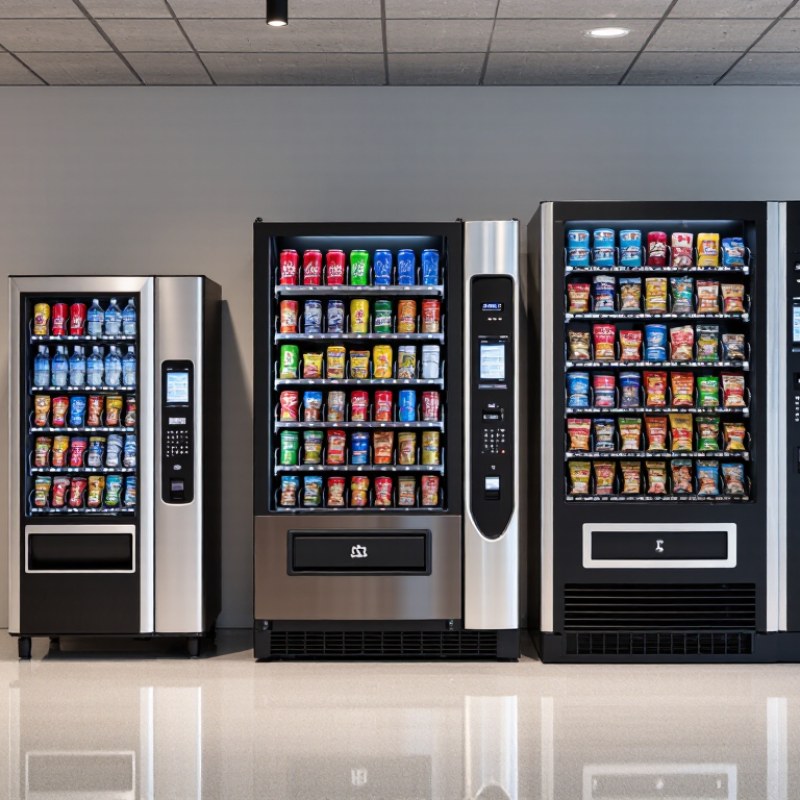
A combo vending machine sells snacks and drinks from one cabinet, using separate product lanes and, often, a shared payment system. Its control board connects the screen, payment reader, motors, and stock sensors. Inside, adjustable shelves hold items of different sizes. Chilled sections keep selected drinks cool, while other shelves remain at room temperature. The exact layout varies by machine.
A customer chooses an item, confirms the price, and pays. Once payment is approved, the controller activates the correct motor or delivery mechanism. A spiral may push a snack forward; a lift can lower fragile items gently. The sensor then checks whether the product reached the pickup area. If a selection fails, the machine may cancel the sale or offer another option. Small details matter.
For operators, remote stock and temperature reports can reduce unnecessary site visits. But sensors are not perfect; a misplaced item may look like low stock. That happens. A useful machine fits its location, product mix, and restocking schedule—not just its screen size. In 2026, compare energy use, shelf flexibility, payment options, and how clearly the machine reports faults. A compact unit may suit a quiet office, while a busy lobby needs faster service and more frequent replenishment. Even good data cannot replace a quick physical check.
What Are the Best Combo Vending Machines in 2026?
Key Features That Define the Best Combo Machines in 2026
The best combo machines balance dependable refrigeration, flexible product selection, and easy maintenance. Look for separate temperature controls if the unit will hold both drinks and snacks. A clear display helps shoppers check selections, while adjustable spirals can fit different package sizes. Reliable payment options matter, too, especially when customers expect quick tap-to-pay service. Small details matter. Check that the machine logs errors and low-stock items, so an operator can respond before a popular drink disappears.
Tips: Measure the installation space, including door clearance and room for restocking. Ask how filters, coils, and payment components are accessed. Test a few products in person; a narrow bottle or soft snack bag may vend poorly even when the specifications look suitable.
Capacity should match real foot traffic, not an optimistic sales estimate. A busy office may need more drink columns, while a smaller lobby might benefit from varied snacks and compact packaging. Review energy use, warranty coverage, and the availability of replacement parts before buying. I would also track failed vend reports during the first month. They can reveal awkward product fits that a showroom test missed. No machine is perfect; easy adjustment often matters more than a long feature list.
Combo vending machines combine two product groups in one cabinet, but their layouts serve different needs. The simplest type pairs packaged snacks with bottled or canned drinks. It suits offices, laundromats, and hotel lobbies where visitors want quick, familiar options. Refrigerated models can offer sandwiches, yogurt, or salads alongside drinks. They work best in locations with steady daytime traffic and reliable access to restocking. Fresh items need careful rotation and dependable refrigeration. Placement matters.
Some units separate chilled and ambient sections, letting operators stock drinks beside shelf-stable snacks without exposing both to the same conditions. Compact machines fit tight corridors, while larger models offer more selection but need clear floor space and suitable power access. Before choosing, estimate daily demand, measure the route through doorways, and check how easily staff can refill each shelf. Track sales after installation; a popular drink may sell out while slower items remain untouched. A machine can look efficient on paper and still feel awkward beside a narrow doorway. Not every site needs maximum variety.
A practical comparison of common combo-machine formats. Ratings are illustrative planning guidance—not measured market data—and indicate how well each format suits its example setting.
How to use this guide: Ambient snack-and-drink machines suit compact offices and lobbies. Chilled snack-and-drink formats fit gyms and break rooms. Refrigerated meal-and-drink machines are useful where people need full meals outside standard service hours, such as campuses or hospitals. Frozen-treat-and-drink machines are best suited to leisure venues. Check local food-safety requirements and product needs before choosing equipment.
The best combo vending machine in 2026 is not necessarily the largest. Match capacity to actual demand and the products you plan to stock. A unit with deep shelves may hold many items, yet awkward slot sizes can waste space. Check product dimensions, capacity per selection, and how quickly staff can restock it. A machine near a busy break room may need more drink space; a quieter site may benefit from fewer selections and less frequent servicing. Small details matter.
Payment options affect both convenience and cost. Compare contactless and mobile payments with cash acceptance, then check whether the machine needs a reliable network connection. Ask about transaction fees, processing terms, and how sales data can be exported. Operating costs go beyond the purchase price: include electricity, routine cleaning, repairs, payment charges, and product spoilage. Refrigerated sections may use more power, especially in warm locations. Request itemized estimates, and compare them against realistic sales rather than optimistic projections. One estimate may still be wrong. Track sales and service calls after installation, then adjust the product mix or restocking schedule.
| Machine profile | Typical capacity and layout | Payment options to look for | Best fit | Cost comparison |
|---|---|---|---|---|
| Compact combo | About 150–300 packaged items, depending on product size and tray configuration; usually a smaller mix of snack and beverage selections. | Check for contactless card and mobile-wallet acceptance. Cash acceptance may be available as an additional option. | Small offices, waiting areas, and locations with modest daily traffic. | Generally uses less floor space. Purchase price and energy use depend on refrigeration, payment hardware, and configuration. |
| Standard combo | About 300–500 items, with separate areas or trays for snacks and drinks. Actual capacity varies significantly with package dimensions. | Contactless cards and mobile wallets are useful for cashless sales. Compare processing fees, any monthly service charge, and connectivity requirements. | Break rooms, schools, and workplaces with steady mixed demand. | A practical balance of selection and footprint. Compare the full installed price, not just the machine price. |
| High-capacity combo | About 500–700 items in some configurations; larger beverage packages can reduce the number of items that fit. | Look for card and mobile-wallet support, remote sales reporting, and a clear process for refunds and payment-terminal support. | Busy workplaces, transit areas, and other locations with sustained demand. | More stock space can reduce refill frequency, but the larger footprint and refrigeration load may increase site and energy costs. |
| Operating-cost planning guide | Capacity does not determine operating cost on its own. Refrigeration, ambient temperature, usage, and product mix also matter. | Card-processing fees are commonly charged as a percentage of each transaction; confirm the provider’s current rate and any fixed fees. | Use local electricity prices, sales volume, and service quotes to compare machines for a specific site. | Illustrative monthly budget: electricity about $9–$60, assuming 3–8 kWh per day at $0.10–$0.25 per kWh; connectivity or payment service about $5–$25; maintenance reserve about $25–$100. Estimated subtotal: about $39–$185 per month, before transaction fees, inventory, rent, labor, and taxes. |
How to compare: Treat capacity figures and cost ranges as planning estimates, not guaranteed specifications or quotes. Ask suppliers for the exact vendable capacity using your intended package sizes, measured energy consumption, warranty and service terms, payment fees, and total installed price. Actual costs vary by machine configuration, location, electricity tariff, and sales volume.
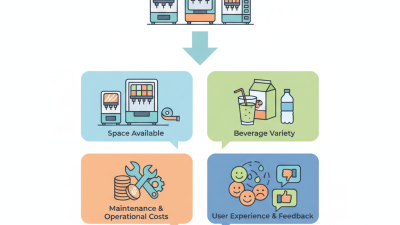
Choosing a combo vending machine starts with the people who will use it. Check the available floor space, power access, and expected daily traffic. A narrow hallway may suit a compact unit, while a busy break room may need more drink capacity. Look for adjustable shelves, clear product windows, reliable temperature controls, and payment options your customers actually use. Compare the machine’s capacity with your refill schedule, too. An oversized unit can waste energy and leave slow-selling items untouched.
Tips: Map your product mix before ordering. Measure cans, bottles, and snack packages, then confirm the shelves can hold them securely. Ask about delivery access and service support. Small details matter.
Maintenance keeps sales steady and helps protect product quality. Clean the interior and pickup area regularly, following the machine’s care instructions. Check door seals, cooling performance, payment readers, and dispensing coils during routine visits. Remove damaged packages and record recurring jams; a short log can reveal patterns, such as one shelf needing adjustment. Keep vents clear of dust and leave enough space around the unit for airflow. Maintenance needs vary by location, and a schedule that works in a quiet office may fail in a busy lobby. Review it after the first few weeks.