
Contact Us: 416.615.1555 | sale@booksvendingmachine.com
For global livestock buyers, choosing a Livestock Medical Syringe is not a minor purchasing decision. It affects dosing accuracy, animal welfare, worker safety, and treatment records. A reliable syringe should deliver consistent volume, fit comfortably in the hand, and withstand repeated farm use. Its materials must also suit vaccines, antibiotics, or other approved veterinary products. Small details matter. A loose plunger can waste medication. A poorly marked barrel can create uncertainty during a busy vaccination session.
Dr. Temple Grandin, a globally recognized livestock-handling expert, once said, “I think using animals for food is an ethical thing to do, but we’ve got to do it right.” Her words apply directly to medical equipment. A syringe is only one tool, yet it supports careful and humane livestock management. Global buyers should examine calibration, needle compatibility, cleaning procedures, packaging quality, and supplier traceability. They should also confirm that products meet the veterinary and import requirements of their destination markets.
There is no perfect syringe.
That point deserves attention. A model that works well on a small family farm may not suit a large commercial operation. Manual syringes may offer simplicity, while automatic designs can improve speed during high-volume work. However, faster is not always better. Poor training, incorrect storage, or rushed handling can still cause mistakes. Experienced suppliers should provide clear instructions, responsive technical support, and realistic product information. The strongest buying decision combines measurable performance with practical farm experience. Cost matters, but dependable treatment outcomes matter more.
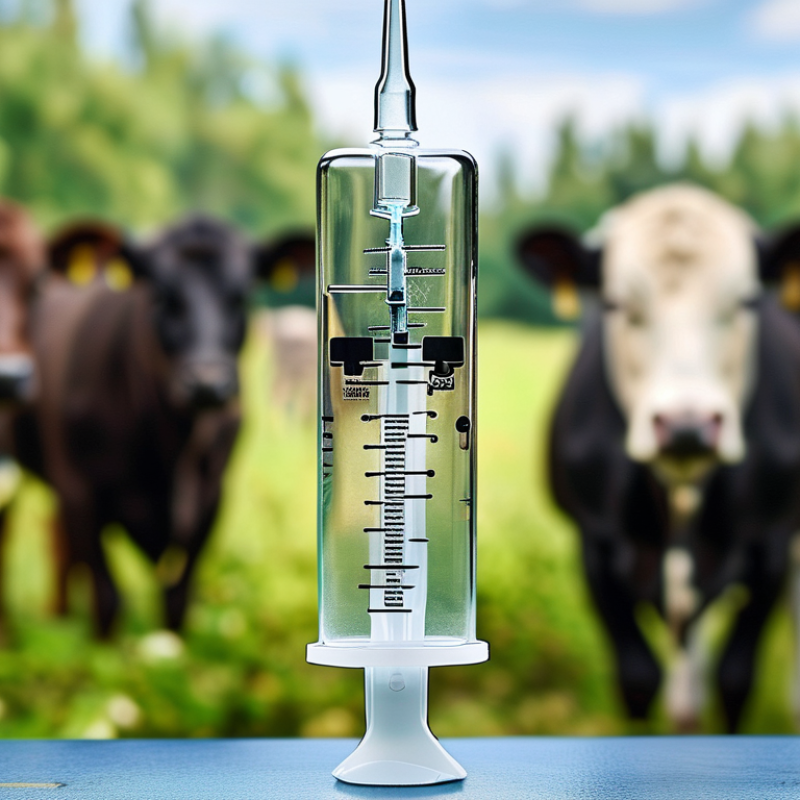
Livestock medical syringes are veterinary instruments used to deliver measured medicines, vaccines, and other approved treatments to farm animals. They usually include a barrel, plunger, nozzle, and compatible needle. Some models are single-use, while others are designed for repeated use with careful cleaning and sterilization. Their purpose is simple: place the correct amount of treatment in the correct animal, with minimal stress and tissue damage.
In daily farm work, syringe design matters. A clear barrel helps the operator read dosage markings, even in a dusty treatment area. A smooth plunger supports steady delivery and reduces hand fatigue during herd care. Automatic syringes can speed up routine vaccination, while manual syringes may offer better control for small groups or individual animals. Needle size should match the species, treatment, and injection route described by a qualified veterinary professional.
Practical experience shows that small details often cause problems. Loose parts, unclear markings, or poor cleaning can affect accuracy. That is easy to overlook. Buyers should check material quality, seal performance, measurement visibility, and maintenance requirements before choosing equipment. Records also matter; noting the animal, treatment, dose, and date supports safer farm management. No syringe fits every situation, and choosing only by price may create avoidable risks. In some cases, staff training deserves more attention than the instrument itself.

Common nominal syringe capacities used in livestock medical practice
Livestock medical syringes are available in different capacities to support vaccination, medication, and fluid administration across animal sizes. Smaller syringes help improve dosing precision, while larger syringes reduce refill frequency for routine herd treatment. Actual syringe selection should follow the animal species, prescribed dose, medication instructions, and local veterinary requirements.
Livestock medical syringes support animal healthcare through accurate, repeatable dosing. This matters across cattle, pigs, sheep, and poultry operations. The Food and Agriculture Organization estimates that animal diseases can reduce global livestock production by up to 20%. Reliable syringes help deliver vaccines, antibiotics, and supplements at the prescribed volume. Small errors still matter.
A calibrated barrel lets veterinarians and trained handlers read doses clearly. Low-dead-space designs can reduce medicine waste, especially during large vaccination campaigns. Suitable needle sizes also limit tissue damage and injection-site reactions. The World Health Organization reported that bacterial antimicrobial resistance directly caused an estimated 1.27 million deaths in 2019. Correct dosing cannot solve resistance alone, but it supports responsible treatment decisions and reduces avoidable underdosing.
Field experience shows that equipment choice must match working conditions. A durable syringe is useful in dusty yards, mobile clinics, and cold-weather barns. Smooth plungers improve control when animals move suddenly. Disposable components can strengthen hygiene, while reusable equipment requires validated cleaning procedures. A syringe cannot replace training. It cannot repair poor storage, weak records, or an interrupted cold chain. Global buyers should check calibration, material safety, sterility claims, and compatibility with local veterinary protocols. The WOAH Terrestrial Animal Health Code also emphasizes competent personnel and disease prevention within animal health programs. That practical point is easy to overlook.
| Syringe Type | Typical Capacity | Common Livestock Applications | Key Healthcare Benefit | Important Selection Considerations |
|---|---|---|---|---|
| Disposable Sterile Syringe | 1–60 mL | Vaccination, antibiotics, fluid administration, and routine injections for cattle, pigs, sheep, goats, and poultry. | Single-use design helps reduce cross-contamination between animals when proper sterile technique is followed. | Check sterility, packaging integrity, luer or needle compatibility, barrel graduation, and local medical-device requirements. |
| Reusable Metal Syringe | 5–50 mL | Repeated farm procedures, injectable treatments, and veterinary work in facilities with validated cleaning and sterilization systems. | Durable construction can support repeated use and reduce consumable waste when reprocessing is performed correctly. | Requires thorough cleaning, inspection, lubrication where applicable, and sterilization according to veterinary infection-control procedures. |
| Automatic or Repeat- dose Syringe | 0.5–5 mL per dose; reservoir size varies | High-volume vaccination and medication programs in poultry, swine, sheep, goats, and cattle. | Helps maintain consistent dose delivery and can improve workflow efficiency during herd or flock health programs. | Verify dose-adjustment accuracy, reservoir capacity, trigger performance, replacement parts, and compatibility with the product being administered. |
| Oral Dosing Syringe | 5–100 mL | Oral electrolytes, nutritional supplements, dewormers, and other non-injectable liquid treatments. | Provides controlled administration without piercing the skin, which is useful when an injectable route is not required. | Use only for products approved for oral administration; select a smooth, clearly graduated barrel and an animal-appropriate tip. |
| Insulin or Fine-Volume Syringe | 0.3–1 mL | Small-volume medication administration and selected treatments requiring precise measurement, subject to veterinary direction. | Fine graduations can support accurate measurement of low-volume doses and help limit dosing errors. | Confirm the unit scale, concentration of the medication, needle size, and species-specific dosing instructions before use. |
| Catheter-Tip Syringe | 20–60 mL | Flushing, irrigation, enteral feeding, and administration through compatible veterinary tubes or catheters. | Wide-tip construction supports delivery of thicker liquids and connection to selected feeding or irrigation systems. | Confirm tip dimensions, connection security, fluid viscosity, and whether the syringe is intended for sterile or non-sterile use. |
| Needle Compatibility | Common needle sizes: approximately 16–25 gauge; length often 10–40 mm | Subcutaneous, intramuscular, or other veterinary injection routes selected by a qualified professional. | Correct needle selection can improve animal comfort, support accurate delivery, and reduce tissue damage or leakage. | Gauge and length depend on species, animal size, injection site, medication viscosity, and the required route of administration. |
| Measurement Accuracy | Typical barrel graduations range from 0.01 mL to 1 mL, depending on syringe capacity | Vaccines, antibiotics, hormones, anesthetic agents, and other veterinary medicines requiring measured doses. | Clear graduations help veterinary personnel deliver doses consistently and support treatment records and traceability. | Use the smallest practical syringe capacity for low-volume doses and inspect markings for readability before use. |
| Material and Chemical Compatibility | Common materials include polypropylene, polyethylene, stainless steel, and elastomer components | Use with injectable, oral, or cleaning solutions according to the product instructions. | Appropriate materials help preserve syringe function and reduce the risk of leakage, deformation, or unwanted interaction with medication. | Check compatibility with the formulation, solvents, storage temperature, sterilization method, and intended contact time. |
| Global Procurement Value | Specification-based purchasing rather than brand-based selection | Veterinary clinics, farms, animal-health distributors, livestock cooperatives, and public vaccination programs. | Standardized specifications make it easier to compare capacity, sterility, accuracy, packaging, and regulatory documentation across markets. | Review applicable import rules, labeling, language requirements, quality certificates, batch traceability, and disposal procedures. |
Livestock medical syringes come in several forms because cattle, sheep, goats, and pigs need different handling methods. Reusable metal syringes suit routine farm work when cleaning and sterilization are reliable. They are durable, but poor maintenance can damage seals or reduce dosing accuracy. Disposable plastic syringes offer clean, convenient use, especially during vaccination days or when cross-contamination is a concern. Common capacities include 2 ml, 5 ml, 10 ml, 20 ml, and 50 ml.
Automatic syringes and repeat-dose injectors help workers treat several animals without refilling after every injection. They are useful in large herds, yet calibration deserves close attention. A small volume error repeated across many animals can become significant. Oral drench guns deliver liquid medicine through the mouth and are designed for controlled dosing. They should match the animal’s size and the product’s instructions, not simply the operator’s hand strength.
Needle selection also changes the syringe’s performance. Shorter needles may suit subcutaneous use, while longer needles can be required for intramuscular applications under veterinary direction. Gauge, length, luer connection, and plunger smoothness should be checked before purchase. No single syringe fits every farm. That assumption is tempting, but incomplete. I would also inspect graduations under bright light, test the trigger or plunger, and confirm replacement-part availability before choosing equipment for international delivery.
Global buyers should define the animal, injection route, dosage, and working environment before purchasing livestock medical syringes. A syringe for cattle may not suit poultry or young animals. Needle gauge, barrel volume, plunger smoothness, and connection type require practical testing. ISO 7886-1 offers a useful baseline for sterile, single-use syringes. It does not replace local veterinary requirements. Small details matter.
Sterility and traceability deserve careful review. WHO’s 2016 injection-safety guidance estimates that about 16 billion injections occur worldwide each year, mainly in healthcare settings. This figure shows the scale of injection-related risk. Buyers should request batch numbers, sterilization records, shelf-life data, and packaging integrity evidence. Clear labeling helps when English is not the working language. A low unit price can mislead. Damaged seals, inconsistent graduations, or difficult plungers may increase treatment errors and waste. That problem is easy to underestimate.
Supply conditions also influence the right choice. FAO’s 2023 livestock agrifood systems report estimates annual emissions at 6.2 gigatonnes of CO2 equivalent. Buyers can examine material use, carton size, disposal guidance, and transport efficiency. Yet sustainability claims need verification. A lighter package is not automatically safer. No checklist is perfect. Pilot testing with veterinarians, animal handlers, and warehouse staff can reveal problems that specifications miss. Regional temperature, humidity, customs documentation, and emergency replacement times should also be assessed before signing a large order.
Global buyers should examine livestock medical syringes as safety-critical tools, not simple plastic products. A reliable evaluation begins with the intended animal, dosage range, injection method, and working environment. Syringes used in dusty barns need secure packaging and clear graduations. The barrel should move smoothly without sticking or sudden jumps.
Quality evidence must be practical and traceable. Buyers should request material specifications, batch records, sterilization details, and inspection results. Samples should be checked for leakage, needle attachment, plunger fit, graduation accuracy, and damaged packaging. Test several units from different lots. One perfect sample proves very little. A competent supplier should explain its sampling plan and corrective-action process when defects appear.
Safety also depends on storage and handling instructions. Packaging should identify lot numbers, expiry information when applicable, and sterile status. Labels must remain readable after transport, including exposure to moisture or temperature changes. Compliance requires checking the veterinary device rules in the destination market, not relying only on general certificates. Documents can look complete while an important local requirement remains missing. Buyers may also compare declarations with actual product markings and shipping cartons. No checklist is perfect. Experienced teams review records, inspect samples, and question unclear answers before placing large orders.