China Top 10 Shower Head Manufacturers
China’s shower-head industry combines large-scale production with increasingly refined design. Across its manufacturing hubs, suppliers make everything from compact hand showers to broad overhead models, with finishes ranging from polished chrome to matte black. A well-made Shower Head must do more than look appealing. Spray consistency, comfortable handling, dependable materials, and compatibility with existing fittings all matter. Small details matter, too: a stiff selector can frustrate users, while an uneven spray may be obvious the moment water flows.
This guide introduces ten Chinese manufacturers and considers their product ranges, manufacturing capabilities, customization options, and quality practices. Plumbing expert Richard Trethewey is known for emphasizing that plumbing components should be considered within the systems they serve. The practical principle here is simple: “Judge a shower head as part of the whole water system.” This wording summarizes that system-focused perspective; it is not presented as a verified verbatim quotation. Buyers should still confirm specifications directly, including materials, connection sizes, testing documentation, and production capacity. Catalog photos can be useful. They are not enough. Supplier claims also deserve careful checking, especially when product samples and factory batches may differ. This comparison offers a starting point, not a final verdict; manufacturer strengths can vary by model, order size, and target market.
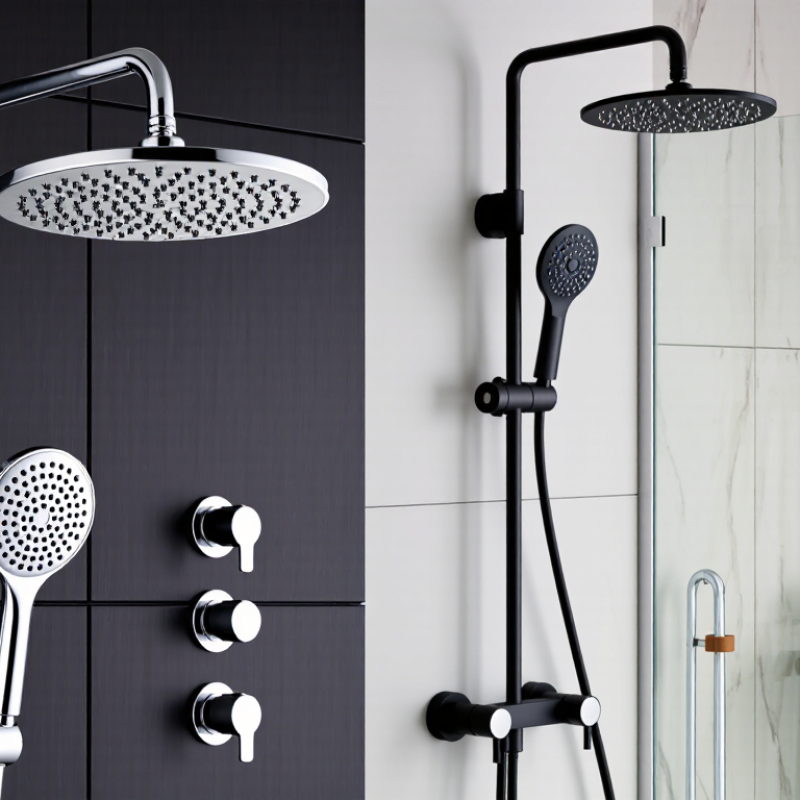
China’s Shower Head Industry and Manufacturing Landscape
China’s shower head industry is part of a wider bathroom-hardware network, linking metalwork, plastics, surface finishing, and assembly. Manufacturing activity is concentrated in coastal industrial regions, where suppliers can source valves, hoses, fittings, and packaging nearby. That proximity can shorten development cycles. But it does not guarantee consistent quality. Common products range from compact hand showers to overhead sets, with finishes and spray patterns adapted for different markets. Factories may use brass, stainless steel, or engineered polymers, depending on cost, weight, and corrosion requirements. A small change in nozzle spacing can alter spray feel. Details matter.
Reliable production depends on more than polished samples. Buyers should examine material specifications, leak-test procedures, plating thickness, and how production batches are inspected. Useful evidence includes recorded pressure and flow tests, traceable component lots, and clear answers about tolerances. Customization is common, but frequent design changes can complicate tooling, spare parts, and repeat orders. Some suppliers handle prototyping and mass production under one roof; others rely on specialist partners. No model wins universally. The practical question is whether responsibilities, inspection points, and corrective actions are documented. China’s scale offers choice and fast iteration, yet supplier comparisons still require patience. A sample can look convincing under showroom lights. Real performance shows at installation and after months of daily use.
China’s Shower Head Industry and Manufacturing Landscape
U.S. showerhead flow-rate benchmarks relevant to manufacturers serving export markets
Flow-rate requirements and voluntary efficiency labels can influence showerhead design for export markets. The chart compares the U.S. federal maximum, the EPA WaterSense specification, and California’s maximum. These are regulatory or program benchmarks—not measurements of Chinese factory output or market share.
Sources: U.S. federal standard (10 CFR § 430.32); EPA WaterSense showerheads; California Title 20 appliance efficiency regulations. Gallons per minute are converted to liters per minute.
How to Evaluate China’s Leading Shower Head Manufacturers
When evaluating China’s leading shower head manufacturers, look beyond polished catalogs. Ask which components are produced in-house, such as the spray plate, handle, and internal valve parts. A factory that can explain its process clearly is easier to assess than one offering only broad quality claims. Request drawings, material specifications, and a sample that matches the proposed production model.
Test the sample under realistic conditions. Check spray coverage, switching between modes, and whether silicone nozzles clear easily with a finger. Inspect the finish around edges and joints, where uneven plating or sharp spots may appear. Ask how the manufacturer tests water flow, pressure resistance, and leakage, and request dated records rather than a verbal assurance. A polished sample can mislead. Production checks matter more.
Reliable suppliers should explain how they control changes in materials, tooling, and assembly. Review inspection steps, defect records, packaging tests, and the process for handling customer complaints. If products are intended for specific markets, request relevant test reports and confirm that the listed model matches the report. Compare lead times and minimum order quantities, but also ask what happens when a component is delayed. No checklist catches everything; a factory visit or independent inspection can reveal gaps that documents miss. Manufacturers do not always communicate perfectly, so leave room for follow-up questions.
Profiles of 10 Notable Shower Head Manufacturers in China
China’s shower-head industry is not one uniform cluster. These ten profiles describe distinct manufacturing strengths, not an audited ranking: brass machining, ABS molding, silicone-nozzle design, thermostatic assembly, handheld sprays, overhead heads, multifunction systems, low-flow engineering, OEM/ODM production, and export-focused quality testing. Each capability serves different needs. Details matter.
A useful technical benchmark comes from the U.S. EPA WaterSense Specification for Showerheads: certified models must stay within 2.0 gallons per minute, compared with the federal 2.5-gpm maximum. That gap makes flow testing, spray coverage, and pressure performance important comparison points. Ask suppliers for measured test results, not just catalogue claims. Check finish consistency, nozzle-cleaning access, and cartridge availability too.
These profiles are practical starting points for evaluating Chinese manufacturers, rather than proof that every factory excels in every area. A brass specialist may offer robust components but fewer spray options; a molding-focused producer may provide design flexibility, yet require closer inspection of material consistency. The weak spot in many supplier comparisons is limited factory-level evidence. Request samples and test them under realistic pressure before drawing conclusions.
Product Ranges, Production Capabilities, and Quality Standards
China’s shower-head suppliers commonly produce fixed, handheld, rain-style, and filtered models, with finishes ranging from polished chrome to matte coatings. Production capabilities vary: some factories mold housings in-house, while others outsource plating or component production. Ask for monthly output by model, tooling lead time, and batch inspection records. A large capacity claim means little if pressure tests cover only a few samples.
Quality comparisons should focus on measurable criteria, not polished catalogs. The U.S. EPA’s WaterSense specification sets a maximum flow of 2.0 gallons per minute for qualifying showerheads. It also reports at least 20% water savings compared with the federal 2.5-gpm standard, while maintaining satisfactory performance. For durability, request evidence of relevant ASME A112.18.1/CSA B125.1 requirements, plus leak, flow, and finish test results. Requirements vary by destination market.
Tips: Request a recent factory audit and dated test results from the production line. Check spray consistency at low and normal pressure. One caveat: finish samples may age differently from mass-produced units, so approve and retain a sealed production sample for comparison.
How to Select a Chinese Manufacturer for Your Sourcing Needs
Selecting a Chinese shower head manufacturer requires more than comparing unit prices. Review its experience with your product type, such as handheld models, rain showers, or multi-spray designs. Ask for material specifications, finish options, and documented checks for leakage and spray consistency. Details matter. A sample can reveal uneven plating, loose connections, or controls that feel stiff. These observations are useful, but one sample cannot prove every production batch will match.
Tips: Request a written quotation showing minimum order quantity, sample cost, tooling fees, lead time, and packaging details. Ask which quality checks happen before shipment. Compare the answers, not just the price.
Before placing a large order, discuss how the factory manages changes to materials or components. Confirm who approves a revised sample and how defects are recorded and resolved. A short video call can help you see production and inspection steps, though it is not a substitute for independent verification. Keep specifications, approved samples, and delivery dates in writing. I would also leave room for a few awkward questions; a clear answer now can prevent an expensive misunderstanding later.