Top 10 Tips to Own a Vending Machine Business Profitably

Owning a vending machine business can be a lucrative venture, providing a steady stream of passive income while requiring minimal maintenance. As more consumers seek convenient access to snacks and beverages on the go, the demand for vending machines continues to rise. However, while the opportunities are plentiful, navigating the intricacies of this business requires strategic planning and informed decision-making. This guide offers essential insights for those looking to own a vending machine business profitably, highlighting key tips that can increase your chances of success.

From selecting the right locations to ensuring that your machines are well-stocked with popular items, every detail matters in this competitive industry. Understanding customer preferences and behavior is crucial, as it directly impacts sales. Furthermore, developing effective marketing strategies and staying updated with industry trends can provide a competitive edge. By following the tips outlined in this article, aspiring entrepreneurs can better position themselves to thrive in the vending machine business, making wise investments and fostering long-term growth in their enterprises.
Top 10 Tips to Own a Vending Machine Business Profitably

Understanding the Vending Machine Business Model

The vending machine business model operates on the principle of providing convenience to consumers, offering a variety of products in easily accessible locations. Entrepreneurs typically start by selecting a niche that caters to specific demographics—be it snacks, beverages, or healthy food options. This initial choice significantly influences the potential success of the business, as understanding customer preferences is crucial for maximizing sales. Operators must conduct thorough market research to identify high-traffic areas where demand for their chosen products exists, such as schools, offices, or gyms.

Moreover, managing inventory and maintenance is essential for sustaining profitability in the vending machine industry. Regularly tracking sales data helps operators understand which items are performing well and which are not, allowing them to make informed decisions about stock replenishment and product offerings. Additionally, the condition of the vending machines can affect customer satisfaction; therefore, ensuring that machines are well-stocked, clean, and functioning properly is vital. This focus on operational efficiency not only boosts customer loyalty but also minimizes downtime, ultimately leading to greater profit margins in the competitive vending landscape.
Identifying Profitable Locations for Vending Machines

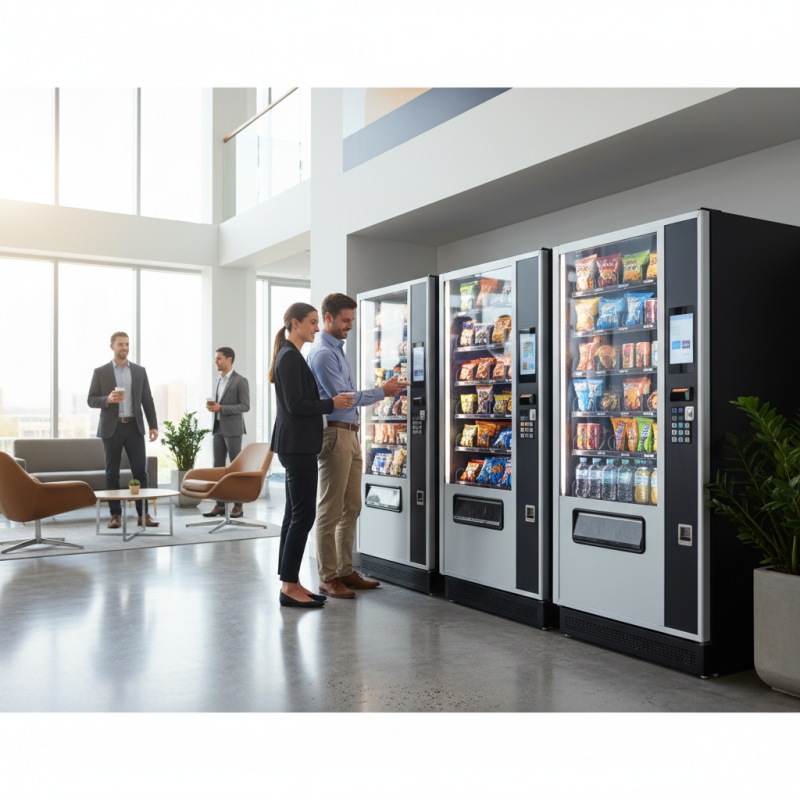
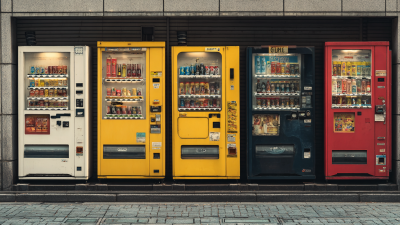
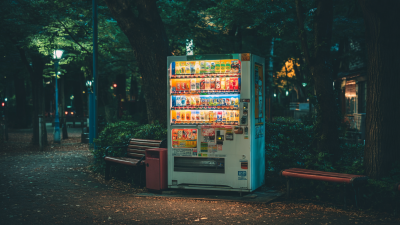
Identifying profitable locations for vending machines is crucial to ensure the success of your vending machine business. The right placement can significantly increase foot traffic and, consequently, sales. Start by considering high-traffic areas where people are likely to be on the go, such as shopping malls, airports, and busy office buildings. These locations attract a diverse crowd, from busy professionals to families, increasing the likelihood of impulse purchases.

Additionally, explore places where traditional food options may be limited, such as schools, hospitals, and recreational centers. These venues often experience demand for quick snacks and beverages, creating an opportunity for your vending machines to stand out. Monitoring the specific needs of each location can help you tailor your product offerings, maximizing appeal and profitability. Finally, don't overlook the potential of niche markets, such as fitness centers or community events, where targeting specific groups can lead to higher sales.

Selecting the Right Products for Your Target Market

Top 10 Tips to Own a Vending Machine Business Profitably

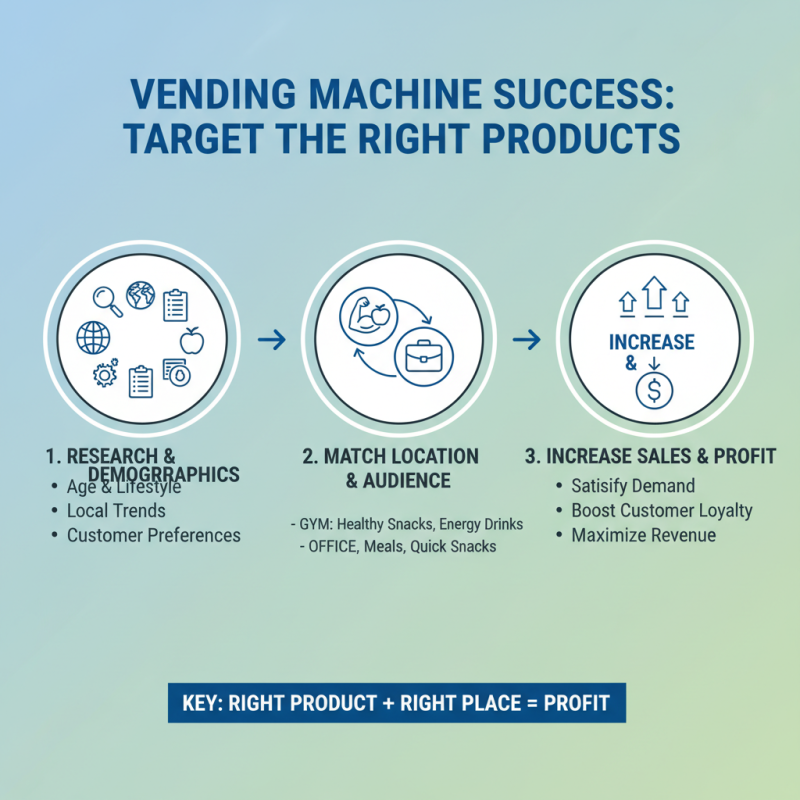
Selecting the right products for your target market is crucial for the success of your vending machine business. Start by conducting thorough research on the demographics and preferences of your potential customers. Consider factors such as age, lifestyle, and local trends to identify the products that are most likely to attract buyers. For instance, if your vending machine is located in a gym, stocking healthy snacks and energy drinks could resonate well with fitness enthusiasts. Equally, if placed in an office space, a selection of coffee, snacks, and quick meal options would cater to busy professionals.

It’s also important to regularly assess and adjust your product offerings based on sales performance and customer feedback. Engaging with your customers can provide invaluable insights into their preferences and promote a more personalized shopping experience. Additionally, staying informed about emerging trends and seasonal variations in product demand can help you to remain competitive and relevant. Consider rotating products periodically, introducing new items to keep the selection fresh and exciting, which can encourage repeat business and customer loyalty.

Implementing Effective Marketing Strategies for Vending Machines

Implementing effective marketing strategies is crucial for the success of a vending machine business. According to a report by IBISWorld, the vending machine industry in the U.S. alone generates approximately $7 billion in revenue annually, proving that there is a robust market potential. To tap into this, operators must focus on diverse marketing techniques such as location targeting, digital promotions, and social media engagement. Understanding the demographics of the areas where the machines are placed can significantly enhance product selection and pricing strategies, leading to higher customer satisfaction and increased sales.

Additionally, leveraging technology is essential in today’s competitive landscape. Implementing cashless payment options and using data analytics to track customer preferences can provide insights into consumer behavior. A study by Statista highlighted that about 28% of consumers prefer contactless payments, which indicates the growing trend towards digital transactions. Utilizing attractive signage and promotions, such as loyalty programs, can also engage repeat customers and boost sales. By combining traditional marketing approaches with modern technology, vending machine operators can create a compelling business model that attracts a wider audience and maximizes profitability.

Top 10 Tips to Own a Vending Machine Business Profitably - Implementing Effective Marketing Strategies for Vending Machines

Tip No. Marketing Strategy Description Expected Impact
1 Location Selection Identify high-traffic areas to maximize visibility. Increase sales by 30%.
2 Product Variety Offer a diverse range of snacks and drinks tailored to customer preferences. Engagement with 25% more customers.
3 Promotional Offers Run seasonal promotions and discounts. Boost sales during promotional periods by 40%.
4 Social Media Engagement Utilize platforms like Instagram and Facebook to showcase products. Reach out to 50% more potential customers.
5 Customer Feedback Encourage feedback through surveys and adapt offerings accordingly. Improve product satisfaction by 20%.
6 Regular Maintenance Ensure machines are stocked and functioning properly. Decrease downtime by 15%.
7 Loyalty Programs Implement reward systems for repeat customers. Increase customer retention by 30%.
8 Networking Build relationships with local businesses and organizations. Expand business opportunities by 20%.
9 Online Presence Create a website to promote services and locations. Attract up to 25% more foot traffic.
10 Analytics Tracking Use data analytics to understand sales trends and customer behavior. Optimize inventory and sales by 35%.

Maintaining and Restocking Your Vending Equipment Efficiently

Efficient maintenance and restocking of vending machines are crucial for maximizing profitability in the vending machine business. According to the National Automatic Merchandising Association (NAMA), the vending industry generates approximately $25 billion in annual revenue, with machines generating an average of $100 to $200 per week per location. The role of timely restocking cannot be overstated; out-of-stock items lead to losing potential sales. Research indicates that nearly 30% of potential purchases are missed due to inventory shortages, emphasizing the necessity for regular monitoring and efficient restocking schedules.

To optimize restocking, operators should employ technology-driven solutions, such as inventory management systems that track sales in real time. By utilizing data analytics, vending machine owners can identify fast-selling items and adjust their inventory accordingly, improving turnover rates. A report from IBISWorld highlights that businesses that adopt such systems experience increased profitability by up to 15%. Additionally, maintaining regular servicing of machines is essential to prevent mechanical issues that can lead to downtime—a significant threat to a vending machine’s revenue stream. Regular maintenance checks can enhance the reliability of the machines and ultimately boost customer satisfaction and repeat business.