2025 Guide: How to Choose the Best Snack and Drink Vending Machines?
As the demand for convenience continues to rise, businesses and institutions are increasingly turning to snack and drink vending machines as a viable solution to meet consumer needs. According to industry expert John T. Abernathy, a leading authority on vending solutions, “The right snack and drink vending machine can significantly enhance customer experience while providing a lucrative revenue stream.” This highlights the importance of selecting the appropriate vending machines tailored to specific environments and audiences.
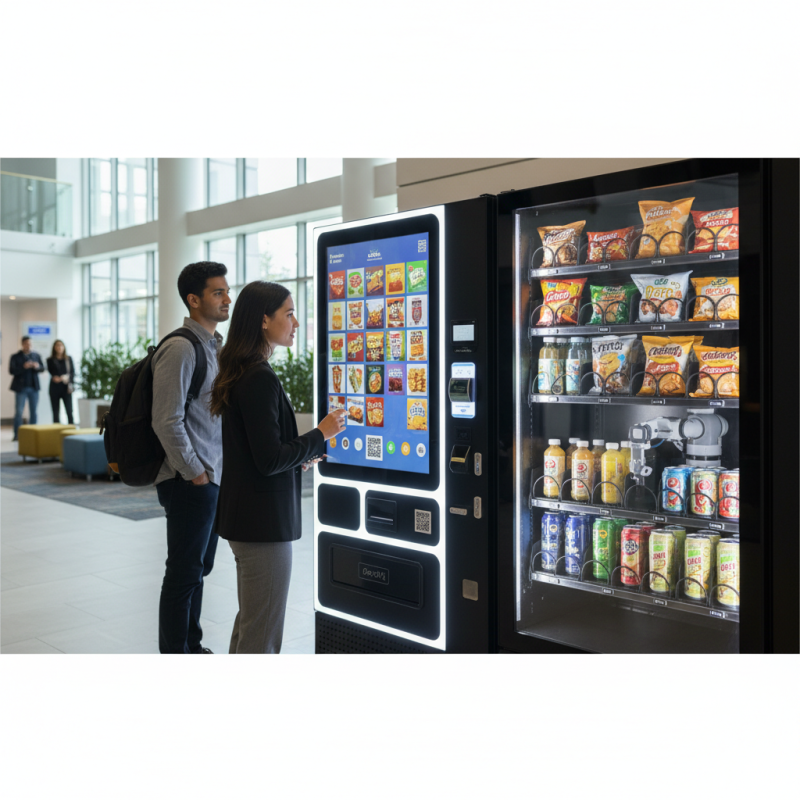
Choosing the best snack and drink vending machine involves understanding various factors, such as product selection, machine features, and location. The vending industry has evolved, with modern machines offering advanced technology, including cashless payment options and touchscreens, making it crucial for operators to stay informed about these developments. With the market projected to expand, making informed decisions will not only boost profitability but also ensure customer satisfaction.
In this guide, we will delve into key considerations when selecting vending machines that cater to diverse snacking preferences and beverage options. Whether you are a business owner looking to install your first vending machine or a seasoned operator seeking to revamp your offerings, understanding the intricacies of the snack and drink vending machine market will be essential in making a strategic choice.
Understanding the Vending Machine Market Size and Trends for 2025
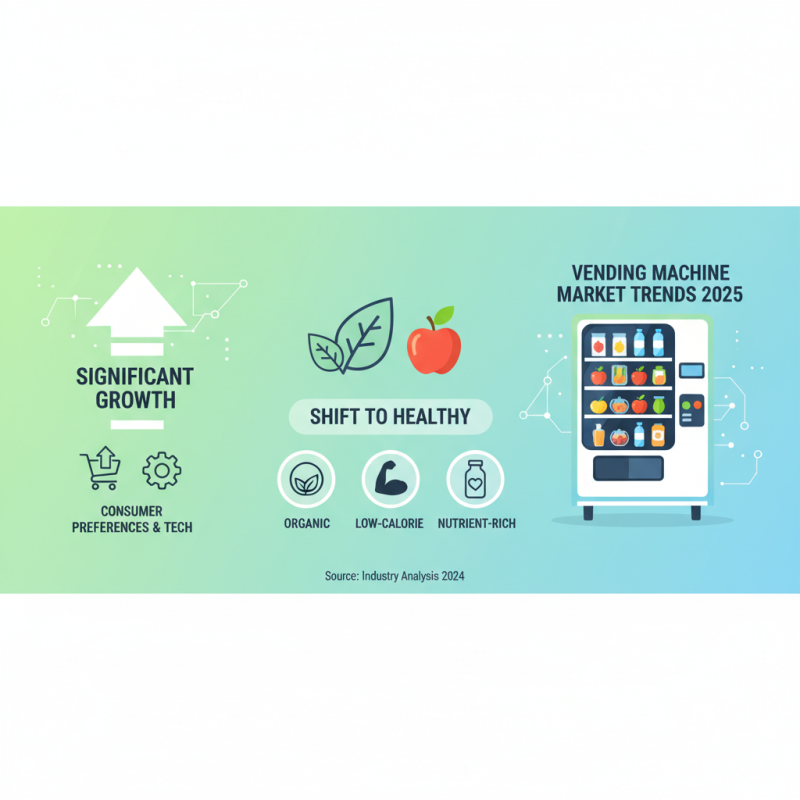
As we approach 2025, the vending machine market is poised for significant growth, driven by changing consumer preferences and technological advancements. The increasing demand for healthy snacks and beverages is reshaping the landscape, with operators needing to take note of these trends. Health-conscious consumers are steering away from traditional snack options and favoring organic, low-calorie, and nutrient-rich alternatives. This shift presents a unique opportunity for vending machine operators to diversify their offerings and cater to evolving tastes.
To stay competitive in this dynamic market, here are a few tips:
1. **Analyze Your Target Audience**: Understand the preferences of your location's demographic. Are they young professionals seeking quick healthy bites, or families with children? Tailoring your selections to meet their needs is crucial.
2. **Embrace Technology**: Incorporate cashless payment options and smart vending technologies that track inventory and consumer purchasing habits. This can streamline operations and enhance customer experience by ensuring popular items are always in stock.
3. **Stay Informed on Trends**: Regularly update yourself on snack and beverage trends. Keep an eye on seasonal changes and health trends that may influence what consumers want at any given time. Engaging with your audience through surveys or social media can also provide valuable insights.
By aligning with these trends and tips, operators can effectively navigate the vending machine market in 2025 and beyond, ensuring their machines remain relevant and profitable.
Key Features to Evaluate for Snack and Drink Vending Machines
When evaluating snack and drink vending machines, several key features should be prioritized to ensure a successful deployment. One crucial aspect is the machine's capacity and configuration, as it needs to accommodate a diverse range of products. According to a recent industry report by IBISWorld, the vending machine sector is projected to reach $25 billion in revenue by 2025, highlighting the increasing demand for versatile machines that can handle various snack sizes and beverages. Optimally configured machines can help operators maximize sales by catering to consumer preferences and trends, particularly in high-traffic areas.
Another significant feature is the technology integrated into the vending machines. Modern machines are increasingly equipped with cashless payment systems and smart technology that allows for real-time inventory tracking. A study by Statista reveals that over 80% of consumers prefer cashless transactions, making it imperative for vending machines to offer convenient payment options. Furthermore, incorporating telemetry systems can provide vital data on sales patterns and inventory levels, enabling operators to make informed decisions regarding stock replenishment and product offerings. By focusing on these key features, stakeholders can ensure a competitive edge in the evolving vending machine market.
2025 Guide: How to Choose the Best Snack and Drink Vending Machines?
| Feature |
Description |
Importance |
Average Cost ($) |
| Size and Capacity |
Consider space for products, overall dimensions, and item slots. |
High |
1,500 - 3,000 |
| Payment Options |
Support for cash, credit/debit cards, and mobile payments. |
Very High |
200 - 800 |
| Energy Efficiency |
Low energy consumption for cost-effectiveness and sustainability. |
Medium |
100 - 300 |
| User Interface |
Touchscreen displays and ease of use for enhancing customer experience. |
High |
500 - 1,200 |
| Product Variety |
Ability to offer different types of snacks, beverages, and healthy options. |
High |
0 - 700 |
| Remote Monitoring |
Real-time data on inventory and sales for better management. |
Medium |
300 - 600 |
Comparative Analysis of Popular Vending Machine Brands in 2025
In 2025, the vending machine market continues to evolve with a variety of brands offering distinctive features and products. According to a recent industry report from Statista, the global vending machine market is expected to reach $25 billion by 2025, driven by an increased demand for convenience and automation. Popular brands have been focusing on integrating advanced technology such as touchless payment systems and smart inventory management, which enhance user experience and operational efficiency. Brands such as Snacktron and HydrateX are leading the pack by incorporating IoT capabilities that allow for real-time monitoring of inventory, ultimately reducing downtime and improving service delivery.
When selecting a vending machine brand, it is crucial to consider factors such as product variety, machine reliability, and customer support. A report from IBISWorld highlights that vending machines offering healthier snack options are gaining traction, appealing to a conscious consumer base. For instance, brands that carry organic and low-calorie selections are noted to have higher sales in diverse environments, including schools and office spaces.
Tips: When assessing vending machine options, prioritize brands that offer eco-friendly solutions, as sustainability is becoming a significant factor for consumers. Additionally, ensure that the vending machines support contactless payments to cater to increasing hygiene preferences. Lastly, evaluate brands based on customer service responsiveness to make certain that maintenance and support are readily available.
Consumer Preferences: What Snacks and Drinks Sell Best in Vending Machines
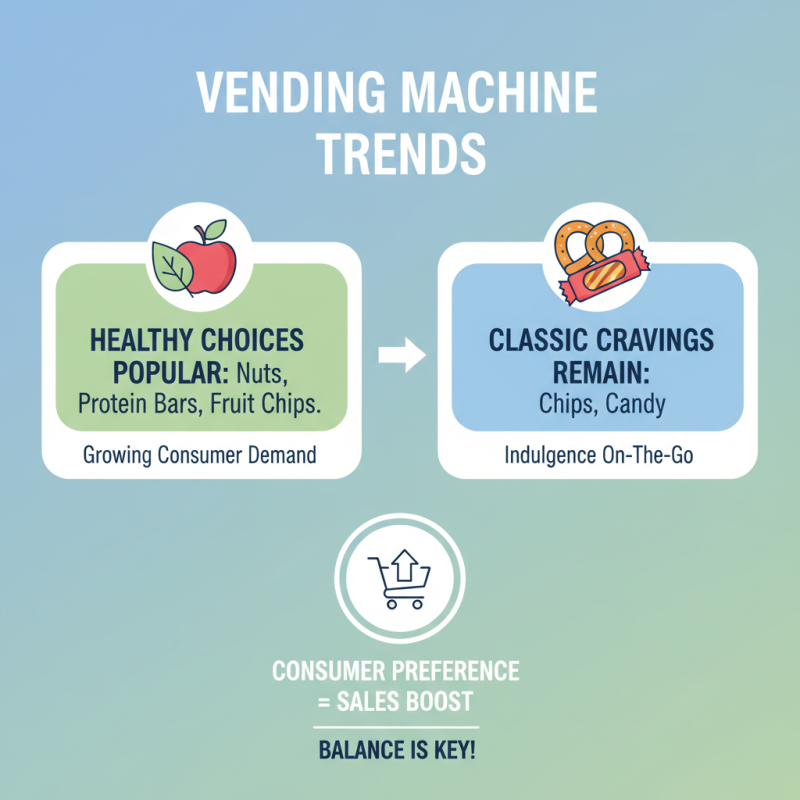
When selecting snacks and drinks for vending machines, understanding consumer preferences is crucial. Typically, healthier snack options have gained popularity, with items like mixed nuts, protein bars, and fruit chips often flying off the shelves. Consumers today are increasingly health-conscious, seeking nutritious alternatives even in vending machines. Meanwhile, classic choices like chips and candy still hold their ground, appealing to those craving something indulgent during their busy day.
In the beverage category, bottled water and energy drinks frequently top. Health-focused consumers often opt for sparkling water or low-calorie beverages, while traditional sodas cater to those looking for a quick sugar fix. Seasonal and limited-time flavors can also entice buyers, so keeping your selection fresh and varied can help maintain interest.
Tip: To choose the best snacks and drinks for your machines, consider conducting surveys or sampling campaigns to understand what your target audience prefers. Engaging with potential customers can provide valuable insights into trends and preferences, helping you stock what will sell best. Additionally, regularly rotating your stock can keep the offering exciting and may encourage repeat purchases.
Cost-Benefit Analysis: ROI of Vending Machines in Various Locations
When considering the placement of snack and drink vending machines, a thorough cost-benefit analysis is essential to understand their return on investment (ROI) in various locations. Vending machines can be a lucrative business model, provided they are strategically placed in high-traffic areas such as schools, office buildings, and gyms. The key is to evaluate foot traffic, customer demographics, and the types of products that are in demand. For instance, while healthy snacks may be popular in a gym, indulgent treats may sell better in a movie theater.
Tips: Before committing to a location, conduct a feasibility study to gauge potential sales. This could involve observational surveys during peak hours to assess the number of potential customers. Additionally, consider the local competition and beverage or snack preferences of the target audience. This data will help in deciding the type and quantity of products to stock, ultimately leading to a more successful vending machine venture.
Moreover, operational costs must also be factored into the ROI calculation. This includes the initial investment in the machines, regular restocking, maintenance, and electricity expenses. Understanding these costs relative to projected earnings will provide a clearer picture of profitability. Keep in mind that diversifying your product offerings and adapting to seasonal trends can significantly enhance sales and ensure sustained revenue, maximizing the effectiveness of your vending machine placements.
2025 Vending Machines ROI Analysis by Location