
Contact Us: 416.615.1555 | sale@booksvendingmachine.com
Choosing the best Organic Body Lotion takes more than spotting a leaf on the label. Look at the full ingredient list, your skin’s needs, and the product’s stated purpose. “Organic” describes certain ingredients; it does not automatically mean a lotion is gentler or more effective. Certification details can help, but standards differ, so check what the label actually verifies.
For dry skin, a richer formula with ingredients such as shea butter or glycerin may feel more comfortable. If your skin reacts easily, consider a fragrance-free option and introduce it carefully. Patch test first. A small amount on your inner arm can reveal irritation before you apply lotion more widely. I admit, the word “organic” can sound reassuring before I have even read the bottle. That impression deserves a second look.
Dermatologist Dr. Howard Murad has said, “Your skin is a reflection of your overall health.” That perspective is useful, though it cannot tell you which lotion will suit your skin. Texture matters too: notice whether the cream spreads smoothly, absorbs without a sticky film, and leaves dry areas feeling comfortable. Keep your expectations grounded. A lotion can support skin comfort, but it cannot fix every cause of dryness. In this guide, we’ll examine ingredient labels, certifications, skin type, scent, and practical testing. The best choice may be less glamorous than the packaging suggests—and that is worth remembering.
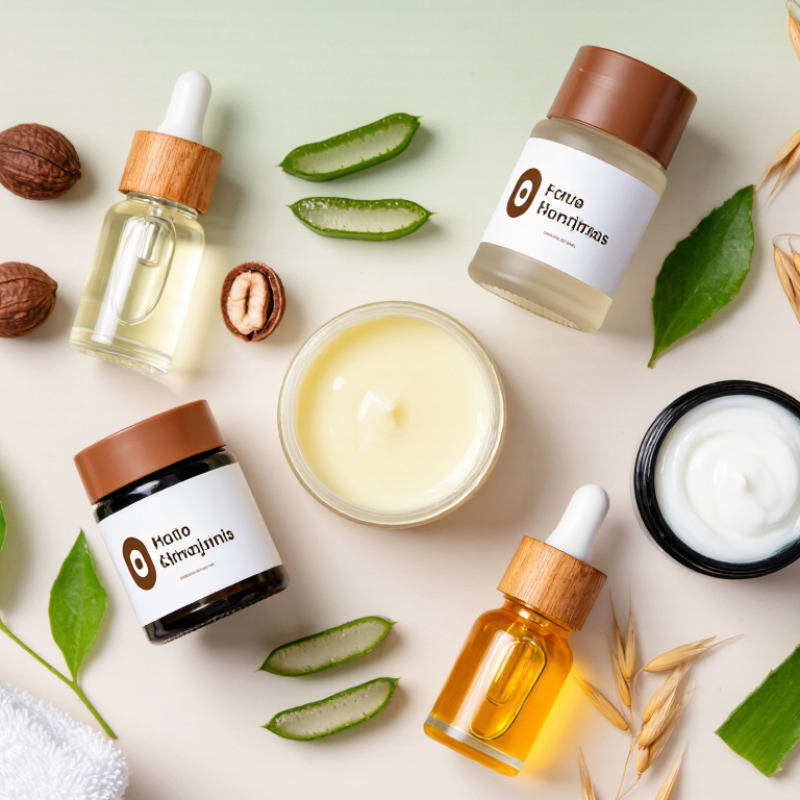
“Organic” on a body lotion label usually refers to certain agricultural ingredients, not necessarily the entire formula. Plant oils, aloe, or calendula may be grown under organic standards, while water and minerals cannot be farmed that way. That distinction matters. Certification requirements also differ by region, so look for a named, recognized certifier and check what its seal actually covers. The word “natural” alone does not confirm organic sourcing.
Read the ingredient list, not just the front label. Notice whether the organic ingredients appear in meaningful amounts, and check for fragrance or other ingredients that may irritate your skin. A rich lotion might feel smooth on your hands but leave a waxy film on your forearms; texture depends on the full formula, not its organic status. Labels can mislead. I would treat certification as useful evidence, not a guarantee of gentleness or effectiveness. Try a small amount on one area first, especially if your skin reacts easily, and give it time before applying it everywhere.

How to Choose the Best Organic Body Lotion?
Match the lotion to your skin’s behavior, not just the label. Dry, tight skin often benefits from glycerin, which helps attract water, plus richer oils or butters that soften rough patches. Apply after a shower, while skin is slightly damp. If your elbows still feel papery by midday, the formula may be too light. I have found that texture matters: a lotion left unused on the shelf cannot help much.
For oily or easily congested areas, try a lighter lotion and use less on your chest or back. Sensitive skin may do better with fragrance-free formulas, since essential oils and plant extracts can still irritate. Organic does not automatically mean gentle. Patch-test a small area for several days before applying a new product widely. Watch for redness, itching, or stinging. Stop if irritation appears. Normal skin can usually handle a simple lotion that absorbs comfortably without leaving a slick film. If persistent dryness or a rash does not improve, ask a healthcare professional; lotion alone may not address the cause. My own testing is imperfect, so give a product time—but don’t ignore a bad reaction.
This chart is a practical formulation guide, not a measured clinical score. The 1–3 scale indicates a typical texture match: 1 = lightweight lotion or gel, 2 = cream, and 3 = ointment or very rich cream. Sensitive skin is not tied to one texture; choosing fragrance-free products may be more important.
When comparing organic body lotions, look beyond the front label. Check whether the formula contains familiar moisturizers such as glycerin, which draws water to the skin, and plant oils that soften dry patches. Organic does not automatically mean gentler or more effective. Fragrance and essential oils can still irritate sensitive skin. A patch test helps. Labels can mislead.
Certification gives you a clearer way to assess sourcing and production. The Soil Association’s 2023 Organic Beauty and Wellbeing Market Report valued UK certified organic and natural beauty sales at £136.2 million in 2022, a 10% rise year on year. That signals strong interest, not proof that every product meets the same standard. For products carrying the USDA Organic seal, at least 95% of ingredients, excluding water and salt, must be certified organic. COSMOS ORGANIC sets a 20% minimum for many finished products, with exceptions for certain product types. Check the certifier’s directory, not just the word “organic” on the package.
I still find certification claims easy to confuse at a glance. Look for the certifier’s name, the exact certification level, and a full ingredient list. If your skin reacts easily, scan for fragrance and test a small area first. The right lotion should feel comfortable after application, without a lingering sting or tightness.
| What to Check | Useful Ingredients or Evidence | Why It Matters | Buyer’s Check |
|---|---|---|---|
| Full ingredient list | Look for the complete INCI ingredient list, not just “natural” or “organic” claims on the front label. | Ingredient lists let you check the formula’s components and identify ingredients you personally prefer to avoid. | Confirm that the list is available and readable. Ingredients are generally listed in descending order by weight, subject to labeling rules and exceptions. |
| Moisture-attracting ingredients | Glycerin, aloe vera, and hyaluronic acid are humectants that help attract or retain water in the outer layer of skin. | Humectants can support hydration, especially when used in a lotion that also contains emollient or occlusive ingredients. | Check the complete formula; one ingredient alone does not determine how moisturizing a lotion will feel or perform. |
| Emollients and barrier-supporting ingredients | Examples include shea butter, sunflower seed oil, jojoba oil, and squalane. | Emollients help soften skin and improve its feel. Oils and butters can also help reduce moisture loss, depending on the formula. | Choose a texture suited to your skin and preferences. Plant-derived ingredients can still cause sensitivity in some people. |
| Fragrance and essential oils | Check for “fragrance” or “parfum,” as well as named essential oils and fragrance allergens where listed. | Fragrance ingredients may irritate or trigger reactions in some people, particularly those with sensitive skin. | If fragrance is a concern, consider a fragrance-free option. “Unscented” does not always mean that no fragrance-related ingredients are present. |
| Preservation and packaging | Water-containing lotions need an appropriate preservation system. Packaging should protect the formula during normal use. | Preservatives help limit microbial growth in products that contain water; “preservative-free” is not automatically a sign of a safer or better product. | Follow the stated storage and use instructions, and do not use a product if its appearance, smell, or texture changes unexpectedly. |
| USDA Organic claim | Check whether the product is certified under the USDA National Organic Program and what labeling category applies. | USDA organic labeling has defined requirements. For example, the “organic” category generally requires at least 95% organic ingredients, excluding water and salt; “made with organic” has a different threshold and does not use the USDA Organic seal. | Verify the certifier and product category rather than relying on the word “organic” alone. Not every cosmetic ingredient or finished product is eligible for the same claim. |
| COSMOS certification | Look for a recognized COSMOS Organic or COSMOS Natural certification mark and the name of the authorized certifier. | COSMOS sets requirements for natural and organic cosmetics, including ingredient sourcing and processing, environmental considerations, and labeling. | Check which COSMOS category applies: “Organic” and “Natural” are different claims. Certification requirements depend on the product and its ingredient composition. |
| Certification details and claim clarity | Look for a verifiable certification mark, certifier information, and a clear explanation of what the claim covers. | Terms such as “natural,” “green,” and “clean” do not by themselves establish that a product has been independently certified organic. | Check the certifier’s official directory or certification information where available. A certified ingredient does not necessarily mean the finished lotion is certified. |
| Skin tolerance | Consider a simple formula and avoid ingredients you already know trigger a reaction. | “Organic” describes sourcing or certification criteria; it does not guarantee that a product will suit every skin type or prevent allergic reactions. | Patch test a new product on a small area first. Stop using it if irritation occurs, and seek medical advice for persistent or severe reactions. |
Tip: Certification standards and labeling rules can differ. Check the current requirements of the named certification program and the product’s full ingredient list.
Texture matters. Test a small amount on clean skin and wait several minutes. A light lotion should spread without leaving a slick film; a richer cream may suit dry elbows or cold-weather use. Notice how it feels after washing your hands, too. I once judged a lotion by its first soft swipe, then found it tacky under clothing. That was a poor test. Check the ingredient list as well: “organic” does not automatically mean fragrance-free or suitable for sensitive skin.
Fragrance is personal, but it can change how often you use a product. Smell it briefly before applying, then notice whether the scent lingers. If you prefer less fragrance, look for an unscented option and check the ingredient list, since “unscented” products may still contain masking ingredients. NielsenIQ’s 2023 sustainability research reported that 78% of U.S. consumers consider sustainable living important. That reflects broad priorities, not a guarantee that shoppers will choose any particular lotion.
Packaging deserves a close look. Try the pump or cap with damp hands; a jar may be awkward in a slippery shower. Compare refill options and how much material the container uses, rather than relying on green-looking labels. The U.S. EPA’s 2018 Advancing Sustainable Materials Management report found that containers and packaging made up 28.1% of U.S. municipal solid waste. That figure covers many products, not lotion alone. I still find packaging claims hard to compare, so check the material and disposal instructions instead of guessing.
An “organic” label does not predict how your skin will react. Botanical oils and fragrance components can still irritate or trigger allergy. The American Academy of Dermatology (AAD) advises testing a small, quarter-sized area twice daily for 7–10 days. Try the inner arm or elbow crease, and leave the lotion on. Stop if you notice redness, itching, swelling, or burning. Don’t push through a reaction. This home test is useful, but imperfect.
To assess performance, apply the lotion to the same dry area after bathing, then note tightness, flaking, itch, and stinging. Check again later that day and the next morning. A simple daily record can reveal whether dryness eases or irritation builds; one comfortable application proves little. Avoid introducing other new products during the test, or the result becomes harder to interpret. For suspected allergy, a home test is not a substitute for clinical assessment: British Association of Dermatologists guidance describes medical patch tests being left on for 48 hours and read later by a clinician. If a reaction persists or spreads, stop using the lotion and seek medical advice.
Sources: AAD, “How to Test Skin Care Products”; British Association of Dermatologists, patient guidance on patch testing.