How to Choose the Best Drink Machines in 2026?

Choosing drink machines in 2026 means balancing taste, uptime, operating costs, and the space available. A compact office coffee machine has different demands from a busy café dispenser or a self-service vending unit. The right choice should suit the drinks people actually order, not just look impressive in a product photo.

Industry data gives useful context, but it needs careful reading. NAMA’s 2024 State of Convenience Services report estimated that the U.S. convenience-services industry generated $26.6 billion in 2023. Grand View Research separately estimated the global vending-machine market at $21.4 billion in 2023, with projected growth through 2030. These figures describe different market segments; neither measures every type of beverage equipment. Still, they point to a sector where access and automation matter. Details matter.

NAMA President and CEO Carla Balakgie has emphasized that convenience services must keep pace with changing consumer expectations. For buyers, that means checking practical details: drink temperature, refill frequency, cleaning access, payment options, and service response times. A machine that pours a perfect coffee but stalls during the lunch rush may be the wrong choice. So may a low-cost unit with hard-to-source parts. There is no universally best model. This guide compares the trade-offs and explains what to inspect before choosing drink machines for a workplace, shop, or hospitality setting. Some needs are easy to measure; others become clear only after real daily use. That part is easy to overlook.
How to Choose the Best Drink Machines in 2026?

Define Your Beverage Needs and Expected Usage

Start by defining what the machine must serve: hot coffee, chilled water, tea, or several drinks. Then estimate servings during the busiest hour, not just the daily average. A lobby may have steady traffic, while a break room can face a sharp rush at 10 a.m. Measure available counter space, power access, refill frequency, and who will clean the unit. Small details matter.

The National Coffee Association’s 2024 National Coffee Data Trends report found that 67% of U.S. adults drank coffee on a given day. That signals broad demand, but it does not predict use at your location. Track actual drink choices for one or two weeks, including cup sizes and peak periods. Compare that record with each machine’s stated output and refill needs. I still find early estimates imperfect; staff habits can change once a new machine arrives. Leave room for that uncertainty.

Tips: Keep a simple daily tally. Note empty ingredients, wait times, and drinks people request but cannot get. For shared spaces, ask users about preferences before buying. A machine sized only for average demand may struggle when everyone arrives at once.
Compare Drink Machine Types and Their Best Applications

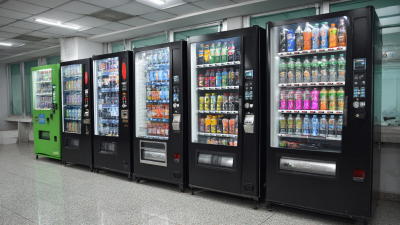
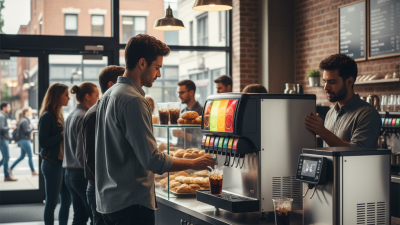
Refrigerated vending machines suit corridors, campuses, and waiting rooms where people need sealed drinks without staff assistance. Countertop dispensers work better behind a café counter, where staff can refill cups and clean nozzles throughout the day. Water and ice machines fit gyms, clinics, and shared offices with steady refill traffic.

Space matters. Measure door clearance, queue space, and access to water and drainage before buying.

The NAMA 2024 State of Convenience Services estimated U.S. industry revenue at $26.6 billion in 2023, covering vending and other services. That figure signals a sizable market, not proof that every site needs a vending machine. For refrigerated drink displays, the U.S. EPA’s ENERGY STAR commercial refrigeration guidance says certified models use about 20% less energy than standard models. Compare energy labels alongside capacity, temperature control, and expected restocking frequency.

Match the machine to the actual rush.

A busy lobby may need a high-capacity cooler with visible stock and quick payment; a small staff room may need only a plumbed water dispenser. Check the door. In a tight corner, a large unit can block foot traffic, even if its capacity looks attractive on paper. Ask who will sanitize taps, clear spills, and handle service calls.

A tempting detail is often missed: easy access for cleaning can matter more than extra drink options.

Evaluate Capacity, Features, Energy Use, and Compatibility

A drink machine should match the busiest hour, not just the average day. Estimate how many servings people need during a short rush, then check the machine’s stated output and refill frequency. A unit that looks adequate on paper may struggle when several people arrive at once. That gap matters. Also consider where cups, ingredients, and waste containers will sit; a crowded counter can slow service.

Features are useful only when they solve a real problem. Adjustable temperature, portion controls, and clear cleaning instructions can help staff maintain consistent drinks. Extra settings may add cost and upkeep without improving daily use. Check how often removable parts need washing, and whether those parts are easy to reach. Small details count. I would leave room for a little uncertainty in demand estimates; events and seasonal changes can quickly shift consumption.

Compare energy-use figures under similar operating conditions, and ask whether the machine needs to stay on between service periods. Then confirm compatibility with your available space, electrical supply, water connection, and preferred ingredients or cup sizes. Measure doorways and counter depth before ordering. A specification sheet can miss awkward installation details, so verify them with the supplier or a qualified technician.

Assess Total Cost, Cleaning Requirements, and After-Sales Support

How to Choose the Best Drink Machines in 2026?

Assess Total Cost, Cleaning Requirements, and After-Sales Support

A low purchase price can hide expensive daily upkeep. Compare electricity, water, filters, ingredients, cleaning labor, repairs, and expected downtime over the machine’s working life. The U.S. Department of Energy’s commercial refrigeration standards analysis evaluates equipment costs alongside lifetime energy costs, a useful model for comparing drink machines. Ask suppliers for energy-use figures under realistic operating conditions, not just ideal test settings. The U.S. EPA reports that certified vending machines can use 40% less energy than conventional models. That figure applies to vending machines, not every beverage dispenser, so check the machine category before relying on it. Small print matters.

Cleaning is a practical test, not a brochure feature. Look for removable nozzles, smooth surfaces, and clear instructions for milk lines, drip trays, and syrup connections. The FDA Food Code 2022 calls for food-contact surfaces handling time/temperature control foods to be cleaned at least every four hours, where applicable. Ask how long a full cleaning takes and whether routine tasks require tools. Then check after-sales support: response hours, local technician coverage, spare-parts availability, and warranty exclusions. Request these terms in writing. I admit comparisons are imperfect; usage, water hardness, and staff routines can change costs sharply. A machine that is easy to clean at closing may still frustrate a busy morning shift. Test the workflow with the people who will use it.

Match Shortlisted Machines to Your Space and Budget

Start with a tape measure, not a product page. Record doorway width, turning clearance, outlet location, and room for restocking. A machine that fits on paper may still block a queue. It happens.

Compare purchase price with installation, power use, filters, and expected maintenance. The U.S. EPA’s ENERGY STAR guidance reports that certified vending machines use about 40% less energy than standard models. The U.S. Energy Information Administration recorded an average commercial electricity price of about 12.7 cents per kilowatt-hour in 2023. Use that figure as a rough baseline, then check your local tariff. A low sticker price can hide higher running costs.

For a tight office corner, shortlist compact units with front access and enough capacity for peak breaks. In a café or shared workspace, compare serving speed, refill frequency, and cleaning access. Ask suppliers for measured dimensions, power requirements, and service costs in writing. Check whether the machine needs plumbing or can use a refillable reservoir. That detail can change installation costs. Keep one option slightly below your maximum budget; delivery or electrical work may cost more than expected. The budget may still be imperfect. My own shortlist would favor easy maintenance over a few extra drink choices.

How to Choose the Best Drink Machines in 2026?

Match shortlisted machines to your available space and budget. These indicative U.S. purchase-price ranges are planning estimates for new equipment; prices vary by capacity, features, and seller.

How to use this chart: Compare the price range with your budget, then check each shortlisted model’s actual width, depth, height, power needs, and clearance requirements against your space. Prices exclude installation and ongoing supplies.