China Top 10 Vending Machine Manufacturers for Buyers

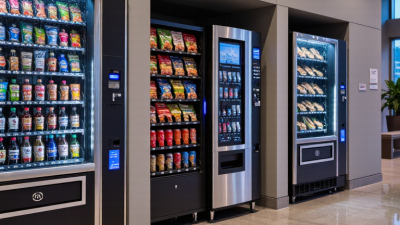
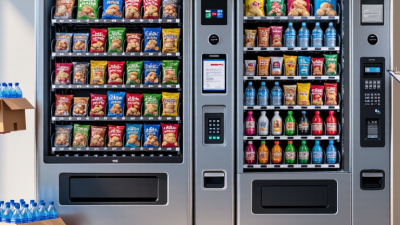
Choosing a vending supplier in China is not just a price comparison. Buyers need machines that fit their products, payment systems, locations, and service plans. A cold-drink unit beside a busy station faces different demands from a snack machine in an office lobby. Small details matter: screen visibility, cooling recovery, spare-part availability, and how quickly a technician can respond.

The market is expanding, but growth figures do not guarantee a good purchase. Grand View Research estimated the global vending machine market at USD 21.3 billion in 2023 and projected a 10.7% compound annual growth rate from 2024 to 2030. That estimate offers context, not a promise of sales for any buyer. NAMA president and CEO Carla Balakgie has emphasized the role of convenience services in foodservice—a useful reminder that machines must serve people reliably, not just look modern. A vending machine can have an attractive touchscreen and still disappoint if restocking is difficult.

This guide introduces ten China-based manufacturers and gives buyers a practical starting point for comparing them. We focus on product range, customization, payment options, production experience, and after-sales support. Ask for recent references, confirm specifications in writing, and check warranty terms before placing an order. No shortlist removes every risk. Supplier claims deserve verification, especially when service will cross borders.
China Top 10 Vending Machine Manufacturers for Buyers

Understanding China's Vending Machine Manufacturing Industry

China’s vending machine manufacturing industry combines sheet-metal fabrication, refrigeration, payment hardware, and software integration. Suppliers may specialize in compact snack machines, chilled units, or large equipment for busy transit locations. These differences matter: a machine designed for bottled drinks needs reliable cooling, while a snack unit depends on flexible shelf spacing and accurate dispensing.

Buyers should look beyond a product photo. Ask how the cabinet is insulated, how temperature is monitored, and whether components can be replaced without dismantling the whole unit. Request test records for dispensing accuracy, door durability, and operation under expected site conditions. Small details count. A narrow service opening, for example, can make routine repairs slow. Export packaging, spare-part availability, and response times also affect the real cost of ownership. Not just the quoted price.

Factory capability varies, even among suppliers with similar catalogs. A video call can show assembly areas, but it cannot replace clear documentation or sample testing. It is tempting to judge a manufacturer by polished specifications; I would treat that as an incomplete shortcut. Buyers should compare written requirements against the delivered machine, including payment interfaces and local power needs. Some details may still be overlooked, so keep the checklist practical and revise it after each supplier discussion.

How the Top 10 Manufacturers Were Selected

How the Top 10 Manufacturers Were Selected

The shortlist was built around evidence buyers can verify, not polished catalogues. Grand View Research estimated the global vending machine market at USD 18.28 billion in 2023 and forecast 10.7% annual growth from 2024 to 2030. That market estimate provides context, but it does not prove any manufacturer’s capability. Each candidate was assessed for product range, customization support, production capacity, quality checks, and documented after-sales service. We also looked for clear specifications covering cabinet dimensions, payment options, refrigeration, and maintenance access. Small details matter. A technician needs room to reach a compressor without dismantling half the machine.

Supplier evidence was compared across factory documentation, sample records, export experience, and customer references where available. Compliance documents were checked for relevance to the intended destination, rather than treated as universal approval. We considered lead times, spare-parts availability, warranty terms, and communication during quotation. The assessment favors verifiable information, but public data can be incomplete and factory claims are not always independently audited. That is a real limitation. Buyers should confirm production samples, inspection procedures, and service commitments before ordering; a ranking cannot replace those checks or predict every project’s results.

China's Top 10 Vending Machine Manufacturers for Buyers

China’s top 10 vending machine manufacturers for buyers should be treated as a shortlist, not a fixed ranking. Factory capacity matters, but so do service response times and parts availability. Grand View Research’s global vending machine market report valued the market at USD 21.4 billion in 2022 and projected a 10.7% compound annual growth rate from 2023 to 2030. That is a global forecast, not a China-specific sales guarantee. Buyers should use it as market context, not proof that every machine will sell.

Request a machine specification sheet, warranty terms, and a live demonstration before comparing suppliers. Check cabinet materials, cooling temperature stability, payment compatibility, remote fault alerts, and the lead time for common replacement parts. A refrigerated unit should hold its set temperature during repeated door openings.

Details matter. Ask for references from operators using similar machines in comparable locations, then verify those references directly. Compare total ownership costs, including shipping, installation, software fees, and routine maintenance.

Not glamorous. A small pilot order can reveal issues that a polished factory tour may miss. Payment integration and after-sales support are often under-tested in early discussions; buyers should put both in writing.

Comparing Product Range, Customization, and Export Capabilities

China Top 10 Vending Machine Manufacturers for Buyers

When comparing vending machine manufacturers in China, look beyond the number of models listed. Some suppliers focus on snack and drink machines, while others offer refrigerated units, fresh-food displays, or smart lockers. Match the range to your actual products, site conditions, and expected daily transactions. A broad catalog can look reassuring, but it may hide limited experience with a specific machine type. Request current specifications, product photos, and references for comparable installations.

Customization affects both fit and maintenance. Confirm options for machine dimensions, payment interfaces, screen language, cooling performance, and branding. Ask which changes are standard and which require new tooling or longer lead times. For export capability, check supported voltage and plug requirements, protective packaging, shipping terms, spare-parts availability, and the scope of remote technical support. A polished sales response is not enough; request sample export documents and a clear warranty process. Details matter.

Tips: Send suppliers the same checklist. Compare written answers, not promises alone. Ask for a video showing the machine dispensing your intended product. Small tests help. One detail is easy to miss: confirm who pays for replacement parts and freight when a component fails. The cheapest offer may still suit your needs, but only if its service arrangements are clear.

How Buyers Can Evaluate Suppliers and Choose a Manufacturer

China Top 10 Vending Machine Manufacturers for Buyers

How Buyers Can Evaluate Suppliers and Choose a Manufacturer

Choosing a vending machine manufacturer starts with the operating environment, not the catalog. List the products you will sell, expected daily transactions, available floor space, and local service requirements. A machine beside a busy factory entrance faces different demands from one in a quiet office lobby. Compare capacity, cooling performance, payment options, remote monitoring, and restocking access. Ask suppliers for test results and references from installations with similar conditions. A polished quotation is not proof of reliable support.

Industry data can help frame the decision. NAMA’s 2023 State of the Industry report estimated U.S. convenience services revenue at $26.6 billion, covering vending and related services. ENERGY STAR reports that certified refrigerated beverage vending machines use about 40% less energy than conventional models. Treat these figures as context, not a guarantee for a particular unit. Check the exact model’s energy data, warranty exclusions, spare-parts availability, and typical repair times. I would also request a sample service schedule; buyers sometimes overlook the hours spent cleaning and refilling machines.

Tips: Ask for a written parts lead-time estimate and a clear warranty process. Compare the full cost of ownership, including delivery, installation, energy, maintenance, and payment fees. If possible, trial one unit before a larger order. A spreadsheet helps, but it cannot show whether a technician responds promptly when a machine fails during a lunch rush.

China Top 10 Vending Machine Manufacturers for Buyers - How Buyers Can Evaluate Suppliers and Choose a Manufacturer

Buyer evaluation framework: the rows below are supplier-selection criteria, not a ranking of named manufacturers. Weights are suggested starting points and can be adjusted for the target market, machine type, and project requirements.

Evaluation Dimension Suggested Weight What Buyers Should Evaluate Evidence to Request or Verify
Product and application fit 15% Confirm that the machine suits the products, location, expected user flow, and operating environment. Check product dimensions, dispensing method, storage conditions, and accessibility needs. Product specification sheet; drawings showing usable space and dimensions; sample-machine test using the buyer’s products; written confirmation of operating conditions.
Customization capability 10% Assess whether the supplier can support required cabinet dimensions, branding, interfaces, payment options, languages, and software integrations without compromising serviceability. Written scope of customization; interface documentation; sample artwork or mock-up; confirmation of any one-time engineering fees, minimum order quantities, and design-change limits.
Manufacturing capacity 12% Check whether production capacity and component sourcing can support the order quantity and repeat orders. Consider the supplier’s process for handling peak demand and production changes. Factory or live video audit; production schedule; process flow; capacity statement tied to the requested configuration; records showing how production lots are identified and tracked.
Quality management and reliability 14% Evaluate incoming inspection, assembly checks, functional testing, defect handling, and corrective-action processes. Ask how reliability is tested for the specific machine configuration. Quality-process documentation; inspection and test records; sample acceptance-test plan; defect and corrective-action procedure; agreed inspection criteria before shipment.
Safety and market compliance 12% Identify the electrical, radio, food-contact, refrigeration, and other requirements that apply in the destination market and to the selected configuration. Requirements vary by country and product use. Applicable test reports and certificates with model numbers and scope checked; component documentation; labeling and manual samples; confirmation of who is responsible for local approvals.
Software, connectivity, and payments 10% Check inventory reporting, remote monitoring, connectivity options, user access controls, software updates, data handling, and compatibility with the buyer’s chosen payment system. Software demonstration; interface and network requirements; payment-system compatibility confirmation; support and update policy; documentation of data access, storage, and ownership.
Warranty, service, and spare parts 10% Review warranty coverage, exclusions, response process, troubleshooting support, and the availability of replaceable parts. Clarify who performs service in the destination market. Written warranty terms; spare-parts list with part numbers; service escalation process; recommended spare-parts package; confirmed support hours and service responsibilities.
Lead time and logistics readiness 7% Assess the full schedule from approved specifications to production, inspection, packing, and dispatch. Confirm packaging and shipping arrangements for the machine’s size and destination. Milestone-based production schedule; packing details; shipment dimensions and weight; export-document checklist; agreed process for delays and pre-shipment inspection.
Commercial terms and total cost 5% Compare the total project cost rather than unit price alone. Include tooling, customization, software, payment hardware, shipping, installation, spares, and ongoing service where applicable. Itemized quotation; payment milestones; quotation validity; stated delivery terms; list of exclusions; written change-order and cancellation terms.
References and business continuity 5% Check relevant project experience, communication quality, and the supplier’s ability to support the equipment over its expected operating life. References should be comparable in machine type and use case. Customer references where available; anonymized installation examples; company and export documentation; named project contacts; documented escalation and continuity arrangements.
Total suggested weighting 100% Score each supplier against the same evidence requirements, then apply the weights to compare results consistently.