What Is a Certified Translation and When Do You Need One?
A document can look simple: one birth certificate, a court order, or a university transcript. Yet a small mismatch in a name, date, or seal can delay an application. That is why Certified translation means more than replacing words. It usually includes a complete translation and a signed statement confirming its accuracy and completeness. The exact requirements depend on the receiving organization, so one format does not fit every case.
Judy Jenner, a translator, author, and language-industry professional, offers a useful principle: “A good translation carries meaning, not just words.” For certified documents, that means preserving names, dates, stamps, handwritten notes, and even unclear text. A translator should not silently guess. If a faded line is hard to read, the uncertainty may need to be noted rather than hidden. Accuracy is practical.
You may need a certified translation when submitting foreign-language records to a school, government office, court, employer, or credential evaluator. Some organizations specify who may translate, what the certification statement must say, or whether notarization is also required. Check their instructions before ordering. A certification does not automatically make a translator “official” everywhere, and notarization does not prove the translation itself is accurate. Small distinction. This guide explains what certification typically includes, how it differs from notarization, and which questions to ask before sending sensitive documents. It also considers limitations: requirements can change, and an otherwise careful translation may still be rejected if it misses a recipient’s formatting rules. A quick confirmation can prevent that frustrating extra step.
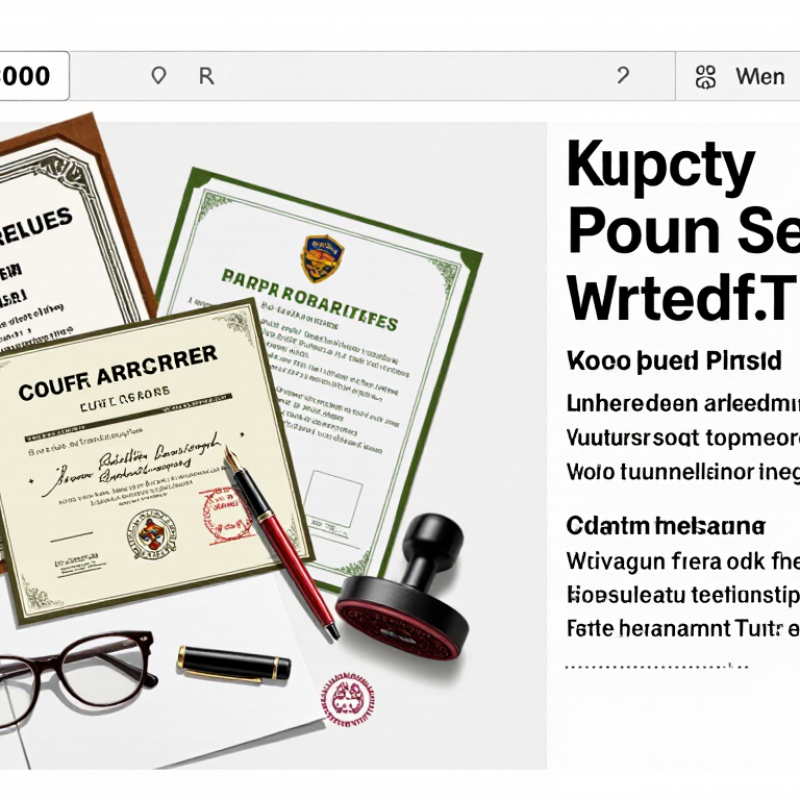
What Is a Certified Translation?
A certified translation is a translated document accompanied by a signed statement confirming that the translation is complete and accurate. The translator also states that they are competent to translate between the languages. In U.S. immigration submissions, this is the certification USCIS requires for documents written in a foreign language. It does not necessarily mean the translator holds a government-issued license. The label can sound more uniform than it is. Requirements vary by institution and country, so a university, court, or agency may request a specific format or additional steps.
The distinction matters when a translated document will be used for an official decision. A birth certificate might need every stamp, handwritten note, and date rendered clearly, not just its main paragraphs. Keep the source document available and check the receiving office’s instructions before ordering a translation. A signed certification alone may not meet every requirement. Language need is widespread: the U.S. Census Bureau’s 2022 American Community Survey found that about 67.8 million people aged five and older spoke a language other than English at home. Separately, CSA Research reported that 76% of surveyed consumers preferred product information in their own language. That finding concerns consumer preferences, not official translation rules, but it underlines why accurate language access matters.
What Information Does a Certified Translation Include?
A certified translation usually includes the complete translated document and a signed certification statement. That statement confirms the translation is accurate and complete to the certifier’s knowledge. It may name the source and target languages, identify the translator or translation provider, and include a signature and date. Some statements also provide contact details or qualifications. Small details matter.
The translated pages should clearly correspond to the original, including names, dates, headings, and visible stamps or handwritten notes. If a section cannot be read, a careful translator should mark it as illegible rather than guess. Formatting may differ, but the content should remain easy to compare. Requirements vary by receiving organization, so a certification that works for one application may not meet another’s rules. Notarization is separate from certification and should not be assumed necessary.
Tips: Check the receiving organization’s instructions before ordering. Ask whether it needs a particular certification wording, a signed paper copy, or notarization. Compare names and dates against the original. One overlooked letter can slow a review.
What Is a Certified Translation and When Do You Need One? - What Information Does a Certified Translation Include?
| Information or Component | What It Typically Includes | Why It Matters |
| Translated document | A complete translation of the source document, including relevant headings, stamps, handwritten text, and other visible content. Unclear or unreadable portions may be identified as such. | The receiving organization can review the document’s contents in the target language. |
| Certification statement | A signed statement declaring that the translation is complete and accurate to the best of the translator’s knowledge and ability. | This is the core assurance commonly meant by “certified translation”; exact wording can vary by institution and jurisdiction. |
| Source and target languages | Identification of the language of the original document and the language into which it was translated. | Clarifies the language pair covered by the certification. |
| Translator identification | The translator’s printed name and, where applicable, relevant credentials or role. | Identifies who is making the accuracy and completeness declaration. Credential requirements depend on the recipient. |
| Signature and date | The translator’s signature and the date the certification is issued; the signature may be electronic or handwritten if accepted by the recipient. | Documents who certified the translation and when. |
| Contact details | Contact information for the translator or certifying professional may be included so the recipient can request clarification. | Useful for verification, although specific contact details are not required by every receiving organization. |
| Source document reference | A description of the document translated; some recipients may also ask for a copy of the source document to accompany the translation. | Helps match the translation to the correct original. Whether a copy is needed depends on the recipient’s instructions. |
| Notarization, if requested | A notary may witness or acknowledge a signature, depending on local procedures. Notarization does not itself verify the translation’s accuracy. | Only arrange notarization or other formalities when the receiving organization or applicable rules require them. |
Requirements vary by institution, document type, and jurisdiction. Check the receiving organization’s instructions before ordering a translation.
How Does Certification Differ From Notarization?
A certified translation usually includes a signed statement from the translator or translation provider confirming that the translation is complete and accurate to the best of their knowledge. The statement may name the language pair, identify the document, and include a date and contact details.
For example, a translated birth certificate might arrive with the translation and a separate signed accuracy statement.
Requirements vary. The receiving office decides what it will accept.
Notarization serves a different purpose. A notary generally checks the identity of the person signing a statement and witnesses or acknowledges that signature. This does not usually mean the notary has checked the translation against the original.
They are different. A notarized translator’s signature is not, by itself, proof of translation accuracy.
Some offices ask for certification, some ask for notarization, and some require both. Check before ordering. The distinction sounds tidy, but application forms can use these terms inconsistently.
Before paying for extra steps, ask the receiving office exactly what it needs, including whether it requires a specific certification statement or a notarized signature.
A clear answer can prevent delays caused by a document that looks official but misses one small requirement.
When Do You Need a Certified Translation?
A certified translation is often needed when an organization must rely on a translated document as an accurate, complete record. Common examples include birth certificates for an immigration application, school transcripts for admission, and marriage certificates for a government filing. Some courts, licensing bodies, and employers may also request one. The exact requirement depends on the institution, not just the document. Check before ordering.
A certification usually includes a signed statement from the translator or translation provider confirming the translation is complete and accurate. Ask the receiving office what it accepts: some require specific wording, a signed declaration, or a paper copy. Certification is not automatically the same as notarization, and notarization may not be required. Details matter. Make sure names, dates, stamps, and handwritten notes are readable in the source document. If a page is blurry, flag it rather than hoping the translator can guess. It is easy to assume every office follows the same rules; they do not. I would check twice, especially when a deadline is close.
How Do You Obtain a Certified Translation?
How Do You Obtain a Certified Translation?
Start by checking the receiving institution’s instructions. A university, court, or government office may specify who can translate the document and what the certification must include. Requirements vary. Ask whether a signed accuracy statement is enough, or whether you need additional steps, such as notarization.
Do not assume that “certified” means the same thing everywhere.
Choose a qualified translator who can handle the document’s subject and language pair. Send clear scans of every page, including stamps, handwritten notes, and the reverse side if it contains text. Ask for a complete translation and a signed statement confirming it is accurate and complete. Keep every page.
When it arrives, compare names, dates, and document numbers against the original; small errors can delay processing. Check that the statement includes the details the receiving office requested, such as the translator’s signature, date, and contact information.
If anything is unclear, ask the office before submitting the translation. A slightly blurred seal or an unfamiliar spelling may need clarification, even when the rest looks correct.