Ultimate Tips for Choosing the Best Combination Vending Machine for Your Needs
When it comes to enhancing convenience in various settings, a combination vending machine stands out as a versatile solution. These machines not only serve snacks and beverages but can also offer a blend of fresh food options, making them suitable for locations ranging from schools and offices to gyms and public transport hubs. Choosing the right combination vending machine can significantly impact both customer satisfaction and operational efficiency.
In this guide, we’ll explore essential tips for selecting the perfect combination vending machine tailored to your specific needs. Understanding your target audience, assessing space requirements, and considering product variety are crucial steps in the selection process. By carefully evaluating these factors, you can ensure that your vending machine not only meets the demands of customers but also aligns with your business goals. Whether you're an entrepreneur looking to start a vending business or a facility manager aiming to upgrade your services, the right choice will pave the way for success.
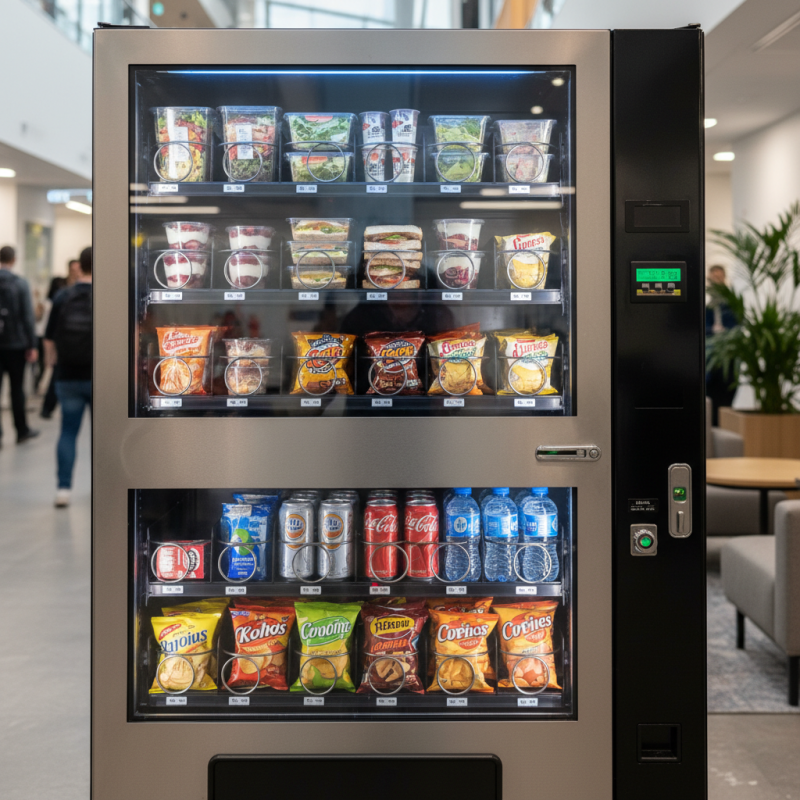
Understanding the Types of Combination Vending Machines Available Today
When selecting a combination vending machine, it's essential to understand the different types available in the market today. Generally, combination vending machines can be categorized into three main types: traditional snack and beverage machines, healthier options machines, and specialized product machines. According to a report by Grand View Research, the global vending machine market is expected to reach $25 billion by 2025, underscoring the demand for machines that offer diverse product options.
Traditional combination vending machines typically dispense snacks and beverages, providing a familiar experience for users. These machines often feature adjustable shelves and various configuration options, allowing operators to customize their inventory based on consumer preferences. On the other hand, healthier options machines have gained traction as consumer awareness about nutrition increases. They often focus on offering organic snacks, bottled water, and other health-conscious choices. A report from IBISWorld indicates that the market for healthy vending solutions has grown by 30% over the past five years, showcasing a shift in consumer demand.
Specialized product vending machines are another emerging trend, catering to specific needs such as beauty products, tech gadgets, and even electronics. These machines typically feature advanced technologies, including touch screens and cashless payment systems, attracting tech-savvy consumers. As noted in a study by Statista, the integration of smart technology in vending machines is projected to grow at a CAGR of 14% through 2024, indicating a significant evolution in this industry segment. Understanding these types not only helps in choosing the right machine but also aligns with current market trends and consumer demands.
Ultimate Tips for Choosing the Best Combination Vending Machine for Your Needs
Below is a bar chart representing the popularity of various combination vending machine types based on user preferences for different product categories.
Assessing Your Target Market and Product Preferences for Optimal Selection
When selecting the ideal combination vending machine, understanding your target market is crucial. Begin by analyzing the demographics of the people who frequent the location where the machine will be placed. Factors such as age, gender, and lifestyle preferences can greatly influence the types of products that will resonate with your audience. For instance, a machine situated in a busy office might benefit from offering healthy snacks and beverages, while one in a recreational area could focus on convenience foods and treats.
Once you have a clear picture of your target audience, the next step is to assess product preferences. Conduct surveys or informal polls to gather insights on what items potential customers prioritize. Additionally, observe trends in consumer behavior, such as the growing demand for organic or gluten-free options. By curating a selection that aligns with these preferences, you can maximize the machine's appeal and encourage higher sales. Balancing popular choices with unique offerings can also differentiate your vending machine from competitors, making it a go-to option for consumers.
Ultimate Tips for Choosing the Best Combination Vending Machine for Your Needs
| Dimension |
Description |
Target Market |
Product Preferences |
| Size |
Physical dimensions of the machine |
Offices, Schools |
Compact snacks, Drinks |
| Capacity |
Number of items it can hold |
High Traffic Areas |
Grab-and-go meals, Snacks |
| Payment Options |
Methods of payment accepted |
Tech-Savvy Consumers |
Card, Mobile Wallet |
| Product Variety |
Diversity of snacks and drinks offered |
Gyms, Colleges |
Healthy, Indulgent options |
| Maintenance |
Frequency and ease of servicing |
Retail locations |
Fast-moving items |
| Location |
The environment where it will be placed |
Hospitals, Airports |
Healthy options, Travel snacks |
Evaluating Machine Features: Size, Capacity, and Technology Integration
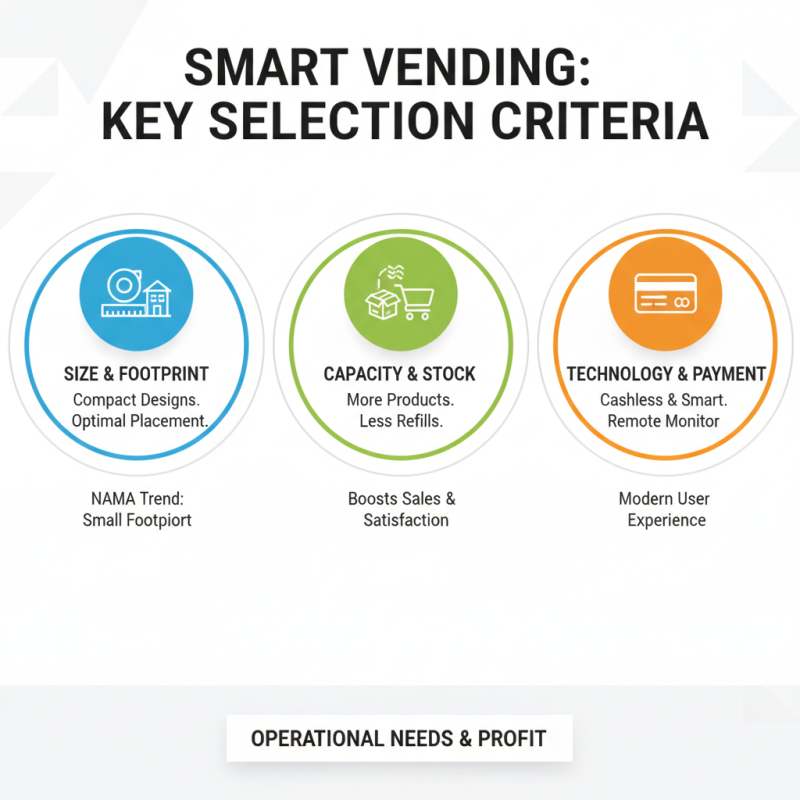
When selecting a combination vending machine, evaluating key features such as size, capacity, and technology integration is essential to meet your operational needs effectively. According to industry analyses from the National Automatic Merchandising Association (NAMA), the average size of vending machines has seen a trend towards more compact designs, allowing for optimal placement in limited spaces. Machines that are designed to fit small footprints can significantly enhance service offerings in tight retail environments, resulting in increased sales opportunities. Furthermore, evaluating the machine's capacity is crucial; a higher capacity can minimize restocking frequency and enhance customer satisfaction as it reduces the likelihood of running out of popular items.
In today's market, technology integration plays a pivotal role in the functionality and efficiency of vending machines. Modern machines often come equipped with cashless payment options and real-time inventory tracking, reshaping customer convenience. The 2022 Vending Market Trends Report highlighted that over 40% of consumers prefer machines that accept mobile payments, which reflects a shift in consumer purchasing behavior toward digital transactions. By investing in vending machines that incorporate advanced technologies, operators can not only streamline their operations but also collect valuable data on consumer preferences, allowing for more informed inventory decisions. This technological advancement not only boosts operational efficiency but also proves vital in enhancing customer engagement and driving sales growth.
Analyzing Cost Factors: Purchase Price, Maintenance, and Revenue Potential
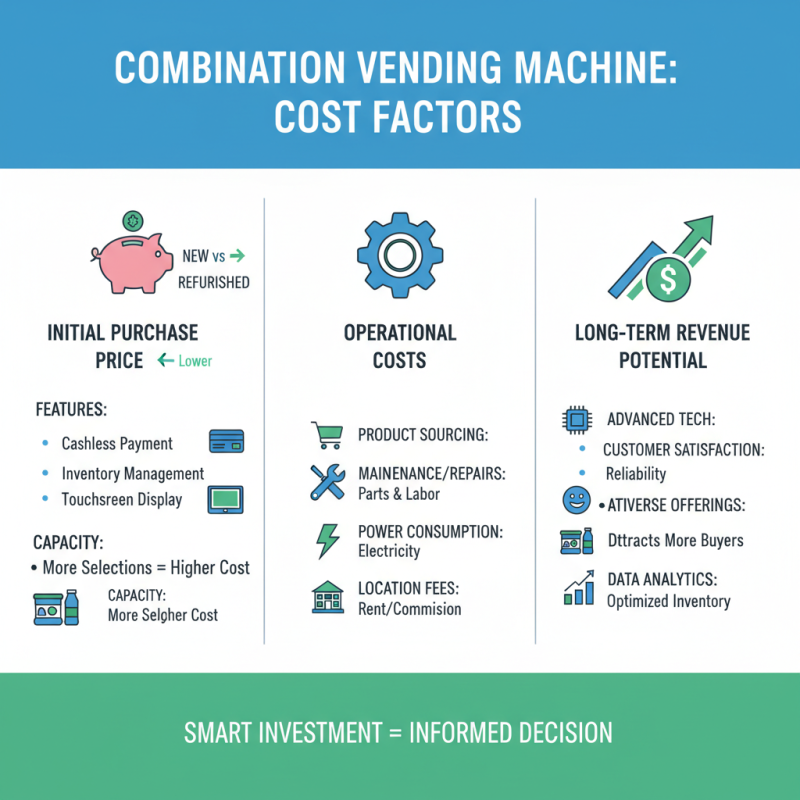
When selecting a combination vending machine, understanding the cost factors is essential for making a sound investment. The initial purchase price of the vending machine can vary significantly based on features, capacity, and whether it is new or refurbished. Newer machines often come equipped with advanced technology, such as cashless payment systems and inventory management, which can justify a higher cost but may also lead to greater long-term revenue potential.
Maintenance costs are another critical aspect to consider. Regular upkeep is necessary to ensure the machine operates smoothly and consistently meets customer demands. Components such as cooling systems and electronic parts can incur additional repair expenses. Evaluating the warranty offered with the machine can provide insight into long-term support and reduce unforeseen costs. Furthermore, understanding the frequency of maintenance and potential downtime is crucial, as these factors directly affect the machine's capability to generate revenue.
Lastly, revenue potential is the ultimate goal of investing in a vending machine. It is important to research the demand for the chosen products in your target location, as this can significantly influence sales figures. Analyzing foot traffic, competition, and consumer preferences will help in making informed decisions on product selection and pricing strategies. Ultimately, balancing these cost factors will guide you in selecting a combination vending machine that aligns with your financial goals while catering to the needs of your target audience.
Reviewing Industry Trends: Consumer Behavior Shifts in Vending Machine Sales
Consumer behavior in the vending machine market has undergone significant changes in recent years, influenced by shifts in lifestyle and technological advancements. Today’s consumers are increasingly seeking convenience and personalization, prompting vending machine operators to adapt their offerings. The rise of healthy eating trends has led to a demand for machines that provide nutritious snacks and beverages, moving away from traditional options like candy and soda. This alignment with health-conscious choices reflects a broader cultural shift toward maintaining well-being, especially in fast-paced environments such as workplaces and schools.
Moreover, the integration of technology into vending machines has transformed the shopping experience. Cashless payment systems, touchless interactions, and customizable product selections cater to consumers' preferences for efficiency and safety. As the pandemic heightened awareness around hygiene, many consumers now favor machines that minimize physical contact. This has resulted in a surge of interest in smart vending solutions that utilize mobile apps and real-time inventory tracking. Understanding these evolving consumer behaviors is key for businesses aiming to invest in or upgrade their vending machine offerings, ensuring they meet customer expectations while staying competitive in the market.