
Contact Us: 416.615.1555 | sale@booksvendingmachine.com
The Bag Charm market is changing from a small accessory category into a visible part of fashion branding. Charms now appear on handbags, backpacks, luggage, and phone cases. They add color, texture, and personality without requiring a new bag.
Bain & Company and Altagamma reported that the global personal luxury goods market reached about €363 billion in 2024. Their report also noted softer demand and stronger pressure on value. This shift makes practical sourcing more important. Buyers need attractive designs, stable quality, transparent pricing, and dependable delivery. A charming sample is not enough.
China remains an important manufacturing base for fashion accessories. Its supplier network covers metal casting, enamel work, leather cutting, acrylic production, packaging, and assembly. Industry reports from China’s General Administration of Customs continue to show the country’s strength in manufactured goods exports. However, export scale does not automatically prove supplier capability. That assumption deserves caution.
This guide examines the best Bag Charm manufacturers in China through a buyer’s lens. It considers factory experience, material control, customization, sampling speed, compliance documentation, and production consistency. Details matter. A loose clasp, uneven plating, or scratched acrylic can damage a retail launch. Small defects become expensive at scale.
No ranking can fit every brand. A startup may need low minimum orders and flexible prototypes. A luxury label may prioritize handmade finishing and traceable materials. Even experienced buyers can misjudge communication quality. The strongest manufacturer is not always the largest one. It is the partner that repeatedly delivers the agreed design, finish, packaging, and schedule.
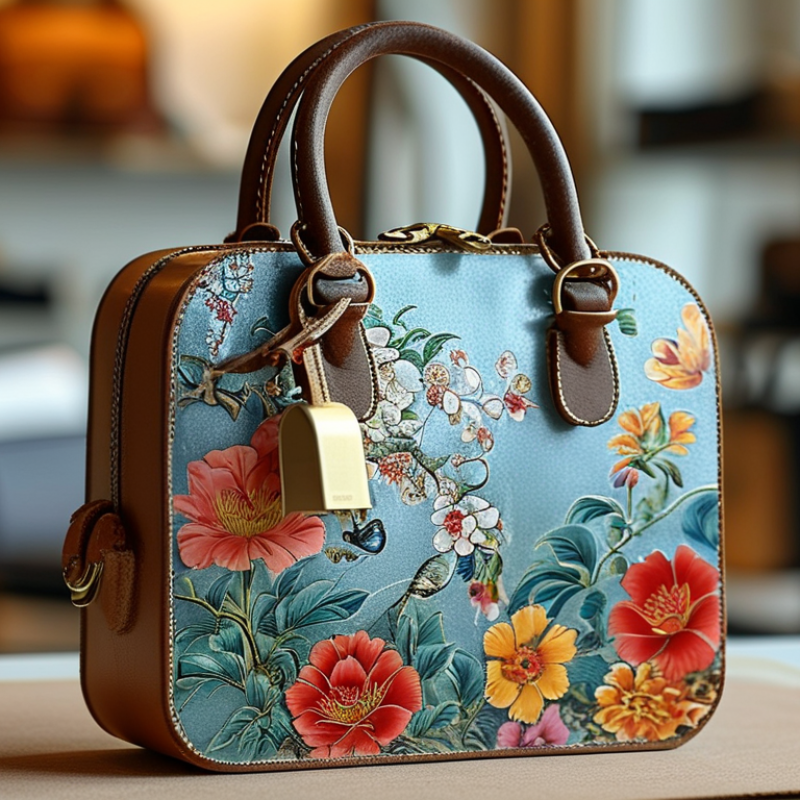
Chinese bag charm manufacturers produce a wide range of styles for different markets and price levels. Metal charms use zinc alloy, stainless steel, or aluminum. They can feature polished surfaces, enamel colors, engraving, or moving parts. Leather charms often use cowhide, microfiber, or synthetic leather. Their details include stitched edges, embossed logos, and small buckles.
Soft plush charms add warmth and texture to handbags. Manufacturers usually fill them with polyester fiber and attach short metal chains. Acrylic charms are lightweight and support clear printing, layered graphics, and transparent effects. Silicone and PVC charms offer flexible shapes, bright colors, and simple cleaning. Resin charms can include glitter, dried-style patterns, or three-dimensional forms, though color consistency needs careful checking. Custom molds may require higher sampling costs. That part is easy to underestimate.
Tips: Request a physical sample before bulk production. Check plating, stitching, clasp strength, color accuracy, and sharp edges. Ask how manufacturers control size and weight across batches. A charm may look attractive in photos but feel too heavy on a small bag. I would also test the attachment under repeated pulling. It is a small detail, but weak hardware can damage the product’s reputation. Suppliers with clear inspection records, material details, and realistic lead times are generally more reliable. Still, every sample deserves a second review.

When selecting bag charm manufacturers in China, evaluate process control before chasing the lowest quotation. The China National Light Industry Council reported steady growth in fashion accessory production in recent years, increasing supplier choice and quality variation. Ask for factory audit records, production photos, and a clear material list. A reliable supplier should identify alloy composition, plating thickness, thread type, and coating durability. Vague answers are warning signs.
Sampling reveals more than a polished catalog. Request three samples from different production batches. Check clasp tension, edge finishing, color consistency, and stitching under bright light. According to the International Organization for Standardization, ISO 9001 supports documented quality procedures, but certification alone does not guarantee good workmanship.
I have seen attractive samples fail after repeated opening and closing. That weakness is easy to miss.
Testing and traceability deserve equal attention. The 2024 McKinsey State of Fashion report highlighted continued pressure on companies to improve supply-chain transparency and resilience. Ask whether the manufacturer records raw-material lots, inspection results, and corrective actions. For export orders, request independent testing for restricted substances and colorfastness where applicable. Confirm production capacity using a small pilot order before committing to volume. Review packaging strength, carton moisture protection, and delivery history. A factory may promise 30,000 pieces monthly, yet its actual output can change during peak seasons. That gap needs honest discussion.
China’s bag charm manufacturing network is concentrated in several specialized regions. Yiwu, in Zhejiang, is well known for small accessories, gift items, and flexible order quantities. Its dense supplier markets make material comparison easier. Buyers can examine acrylic, enamel, fabric, leather, and zinc alloy samples in one sourcing trip.
Guangdong offers stronger support for metalwork, molding, plating, and detailed hardware. Dongguan is useful for complex components and tighter finishing requirements. Guangzhou adds access to accessory workshops, packaging suppliers, and export services. In Fujian, some manufacturers focus on textile crafts, embroidery, woven labels, and soft character-style charms. Quality can vary between neighboring factories.
Site visits matter.
A practical sourcing check should include material certificates, color samples, pull tests, and production photos. Ask how workers inspect plating, stitching, hooks, and sharp edges. Small pilot orders reveal more than polished catalogs. They expose delays, weak attachments, or inconsistent colors. Low prices in Yiwu may suit testing, but complex designs can require Guangdong-level tooling support. This is not an absolute rule. Supplier capability changes quickly, and regional assumptions sometimes fail. A clear technical file, approved sample, and written inspection standard reduce avoidable mistakes. Personally, I would compare at least three factories before choosing one, even when the first sample looks excellent.
What Are the Best Bag Charm Manufacturers in China?
Choosing a capable bag charm manufacturer requires more than comparing online prices. Request product samples, factory photographs, material specifications, and recent production records. A reliable supplier should explain its process clearly, from mold development to plating, painting, assembly, and final inspection.
Compare quotes line by line. Check whether prices include molds, packaging, shipping, testing, and revision costs. Ask about minimum order quantities and payment stages. Low prices can hide weaker alloys, thin coatings, or inconsistent color matching. Numbers can mislead. A sample may look excellent, yet mass production can reveal uneven edges or loose fittings.
Production capability matters when designs become complicated. Review the supplier’s equipment, daily output, quality-control checkpoints, and experience with similar shapes. Ask how it handles defective pieces and replacement timelines. Material documents and inspection reports can support purchasing decisions, but verify the issuing source. I prefer suppliers that accept a small trial order before full production. It costs more time, but it exposes communication gaps early. My own comparison process is not perfect; delivery estimates can still change during peak seasons. Keep written specifications, approved samples, and tolerance limits in one file. This simple habit reduces avoidable disputes.
Choosing a Chinese bag charm manufacturer starts with product clarity, not attractive factory photos. Define the charm’s size, weight, attachment method, finish, and packaging. Request two or three samples from different production batches. Ask for material declarations, color standards, and a written defect limit. Do not guess.
The ISO Survey 2023 identifies China as the world’s largest national base for ISO 9001 certifications, with more than half a million certificates. This indicates strong quality infrastructure, but certification alone proves little about one factory’s daily control. Review inspection records, calibration logs, worker training, and corrective-action reports. A video call should include the cutting, plating, assembly, and packing areas. Empty showrooms are not evidence.
Capacity and delivery deserve equal attention. The World Bank’s 2023 Logistics Performance Index gave China a score of 3.7 out of 5, ranking it among the stronger global logistics systems. Still, confirm export experience for your destination, carton measurements, lead times, and peak-season capacity. Use a pilot order before committing to volume. Inspect every component, especially clasps, stitching, paint edges, and small decorative parts. One imperfect sample can reveal a weak process. My checklist would still miss hidden subcontracting, so contractually require disclosure and conduct a pre-shipment inspection. Reliable communication matters too: a manufacturer that admits a delay early may be safer than one promising everything.
| Step | Evaluation Dimension | Recommended Benchmark | How to Verify Before Ordering | Suggested Weight | Potential Red Flags |
|---|---|---|---|---|---|
| 1 | Product and Material Expertise | Proven capability in at least two relevant categories, such as zinc alloy, leather, fabric, acrylic, silicone, resin, or recycled materials. The manufacturer should be able to explain material grades, surface treatments, hardware options, and durability limitations. | Request a product catalog, material specifications, recent sample photos, and explanations of plating, printing, stitching, painting, or molding processes. | 15% | Vague material descriptions, inconsistent terminology, or inability to explain how the selected material affects cost and durability. |
| 2 | Customization and Development | Capability to work from sketches, reference samples, CAD files, Pantone colors, logo artwork, and packaging requirements. A structured sample-approval process should be available. | Send the same technical brief to several suppliers and compare their questions, drawings, prototypes, mold proposals, and revision policies. | 15% | Immediate quoting without clarifying dimensions, artwork, attachment method, color tolerance, packaging, or target quantity. |
| 3 | Minimum Order Quantity and Scalability | The MOQ should match the product type and production method. Small customized runs may require higher unit costs, while standard designs generally support more flexible quantities. The supplier should also demonstrate capacity for repeat orders. | Obtain written pricing at several quantity levels, such as 100, 500, 1,000, and 5,000 pieces, including tooling, sampling, packaging, and setup charges. | 10% | Hidden mold fees, unexplained price changes, refusal to provide quantity breaks, or an MOQ that does not fit your launch plan. |
| 4 | Quality Control System | Documented incoming-material, in-process, and pre-shipment inspections. Quality standards should cover dimensions, color, plating, stitching, attachment strength, scratches, loose parts, and packaging. | Ask for a quality-control checklist, sample inspection report, acceptable quality limits, defect classifications, and a clear rework or replacement procedure. | 20% | Reliance only on visual inspection, no inspection records, no approved sample, or unwillingness to define acceptable defect levels. |
| 5 | Compliance and Material Safety | The manufacturer can identify applicable destination-market requirements and provide relevant test reports when needed. Materials, coatings, dyes, adhesives, and small components should be assessed for the intended use. | Specify the destination market and request current third-party reports, material declarations, restricted-substance documentation, and traceable test samples. | 15% | Expired or unverifiable certificates, documents issued for a different material, or promises of compliance without supporting evidence. |
| 6 | Communication and Project Management | A named project contact, clear English documentation, written specifications, milestone tracking, and prompt handling of design changes. All commercial terms should be recorded in a purchase agreement or quotation. | Evaluate response quality during the quotation stage. Ask the supplier to summarize specifications, approval points, lead times, and responsibilities in writing. | 10% | Contradictory answers, missed sample deadlines, excessive reliance on informal messages, or frequent staff handoffs. |
| 7 | Lead Time and Production Planning | The supplier provides separate timelines for artwork review, sampling, tooling, bulk production, inspection, and shipping. Lead times should be confirmed against material availability and order quantity. | Request a dated production schedule and identify the latest approval date required to meet your delivery deadline. Confirm the policy for delays caused by approved design changes. | 10% | One generic lead-time figure, no production milestones, unrealistic promises, or no contingency plan for material shortages. |
| 8 | Pricing Transparency and Payment Terms | The quotation clearly separates product cost, tooling, sampling, packaging, inspection, inland transport, export charges, and shipping terms. Payment milestones should be commercially reasonable and documented. | Compare itemized quotations on the same specification and Incoterm. Confirm currency, validity period, taxes, bank-account details, and refund rules for tooling or samples. | 10% | Unusually low pricing, personal-account payment requests, vague Incoterms, or important charges disclosed only after approval. |
| 9 | Packaging and Shipping Readiness | The manufacturer can provide protective packaging suited to the charm’s material and attachment hardware, with carton dimensions and packing quantities available for logistics planning. | Approve a packaging sample and request carton measurements, gross weight, net weight, packing list, shipping marks, and available delivery terms. | 5% | Loose packing, no drop or abrasion consideration, inaccurate carton data, or inability to coordinate with your nominated freight forwarder. |
The benchmarks above are practical purchasing guidelines. MOQ, pricing, sampling time, production time, testing requirements, and shipping costs vary according to material, construction, customization level, order quantity, and destination market; confirm all details in a written quotation and approved sample.